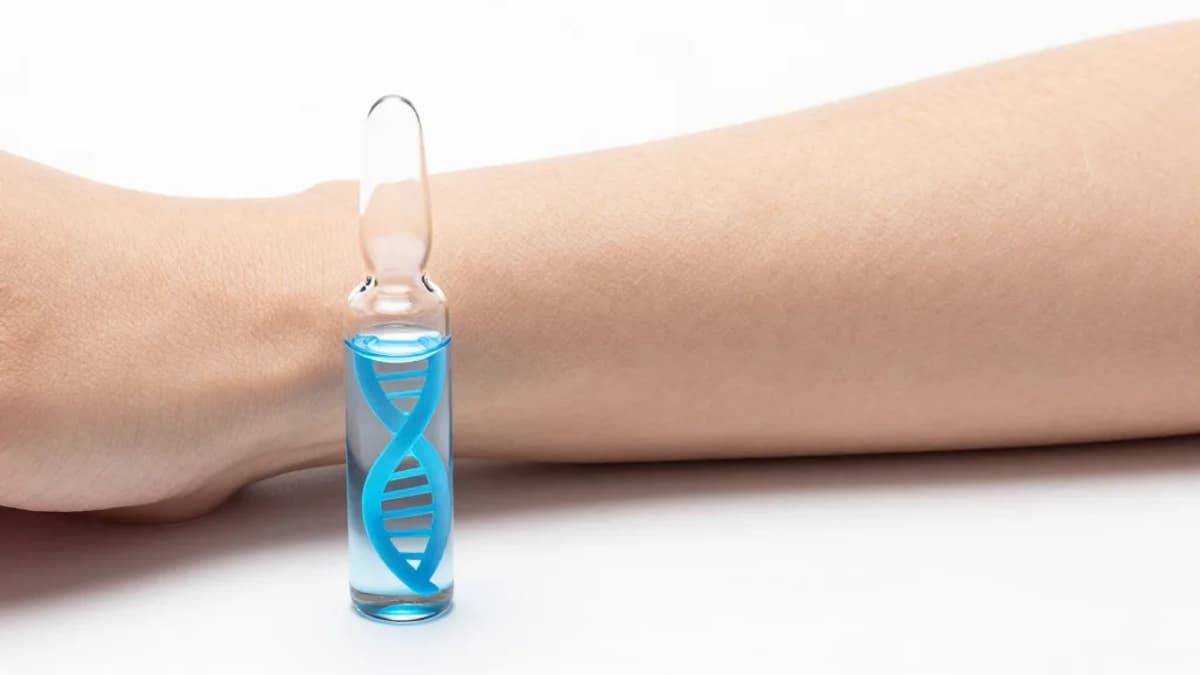
Beiersdorf’s Skin Age Clock Can Predict Biological Age – Now Researchers Wants to Find Out What Makes It Tick
•March 5, 2026
0
Why It Matters
The clock enables truly personalized anti‑aging solutions, giving Beiersdorf a strategic advantage in the fast‑growing epigenetic skincare segment.
Key Takeaways
- •AI algorithm predicts skin’s biological age from epigenetics
- •Epicelline ingredient reverses cellular age in Nivea, Eucerin
- •Extensive clinical data links skin health to overall wellness
- •Patent strengthens Beiersdorf’s competitive edge in skincare tech
- •Ongoing research may drive new personalized beauty products
Pulse Analysis
Epigenetics has moved from academic labs into consumer bathrooms, and Beiersdorf sits at the forefront. By decoding DNA methylation patterns specific to skin cells, the Skin Age Clock translates complex molecular data into a single age metric. Unlike a simple device, the system relies on a deep‑learning model trained on a diverse dataset of skin biopsies, lifestyle questionnaires, and health indicators, allowing it to capture subtle environmental influences on gene expression.
The commercial payoff is already visible. Epicelline, the active compound derived from the clock’s insights, is embedded in flagship Nivea and Eucerin formulations, promising to reset cellular clocks and improve barrier function. This biotech‑driven ingredient differentiates Beiersdorf’s portfolio in a crowded market, where consumers increasingly demand evidence‑based results. By coupling AI analytics with tangible product benefits, the company leverages its patent portfolio to command premium pricing and strengthen brand loyalty.
Looking ahead, the wealth of longitudinal skin and health data positions Beiersdorf to pioneer hyper‑personalized skincare. Future iterations could integrate real‑time monitoring via wearables or mobile apps, delivering dynamic regimen recommendations. As regulators and consumers scrutinize claims, the scientific rigor behind the Skin Age Clock offers a defensible moat. If the company sustains its data pipeline, it may set new industry standards for precision beauty, reshaping product development cycles and competitive dynamics across the global cosmetics sector.
Beiersdorf’s Skin Age Clock can predict biological age – now researchers wants to find out what makes it tick
0
Comments
Want to join the conversation?
Loading comments...