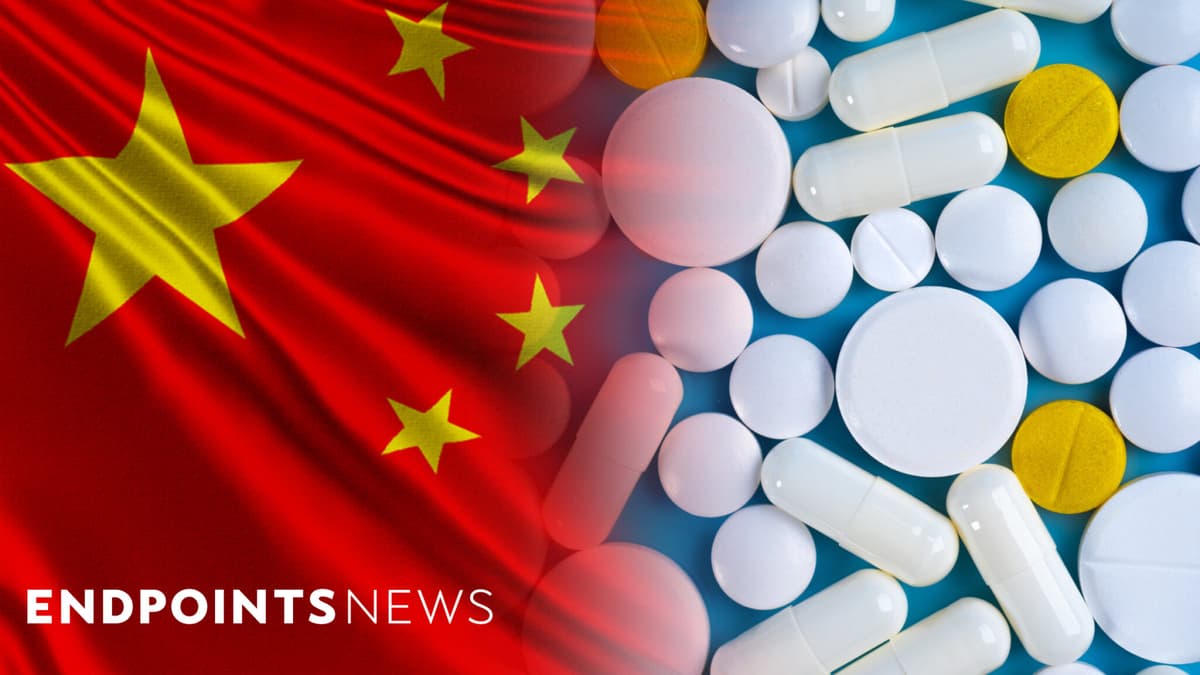
Biotech Has a New Startup Model: Small Team, Big Check and Chinese Assets
Why It Matters
Large capital infusions and Chinese footholds accelerate product timelines, forcing incumbents to rethink funding structures and global partnership strategies.
Key Takeaways
- •Small founding teams raise $150‑$250M early rounds
- •Chinese patient pools speed clinical trial enrollment
- •Venture firms target cross‑border biotech pipelines
- •Model pressures traditional science‑first biotech financing
Pulse Analysis
The new biotech playbook flips the classic narrative that a breakthrough platform must precede fundraising. Instead, investors are betting on execution speed, market access, and the ability to marshal resources across borders. By allocating massive checks to teams of five to ten scientists, capital markets signal confidence that operational excellence and strategic asset placement can substitute for early‑stage discovery risk. This shift mirrors trends in software where “lean‑startup” principles dominate, but it carries unique biotech nuances: regulatory navigation, manufacturing scale‑up, and patient recruitment are all accelerated by Chinese partnerships.
China’s role is pivotal. The country offers a vast, genetically diverse patient population, state‑supported clinical trial infrastructure, and cost‑effective manufacturing hubs. Startups that secure data-sharing agreements with Chinese hospitals or joint‑venture arrangements with local CROs can launch Phase I studies months ahead of U.S.-only competitors. Moreover, the Chinese government’s recent incentives for innovative therapeutics make it an attractive destination for foreign capital, effectively turning the nation into a biotech incubator for Western investors.
For the broader industry, this model forces legacy biotech firms to reassess their capital strategies. Large‑scale early funding may become the norm, pressuring companies to demonstrate clear go‑to‑market pathways and cross‑border synergies. Investors will likely demand tighter milestones tied to Chinese asset utilization, while regulators on both sides will need to harmonize standards to accommodate faster, multinational development cycles. Ultimately, the convergence of big checks, small teams, and Chinese assets could compress drug development timelines, reshaping the competitive landscape for therapeutics worldwide.
Biotech has a new startup model: Small team, big check and Chinese assets
Comments
Want to join the conversation?
Loading comments...