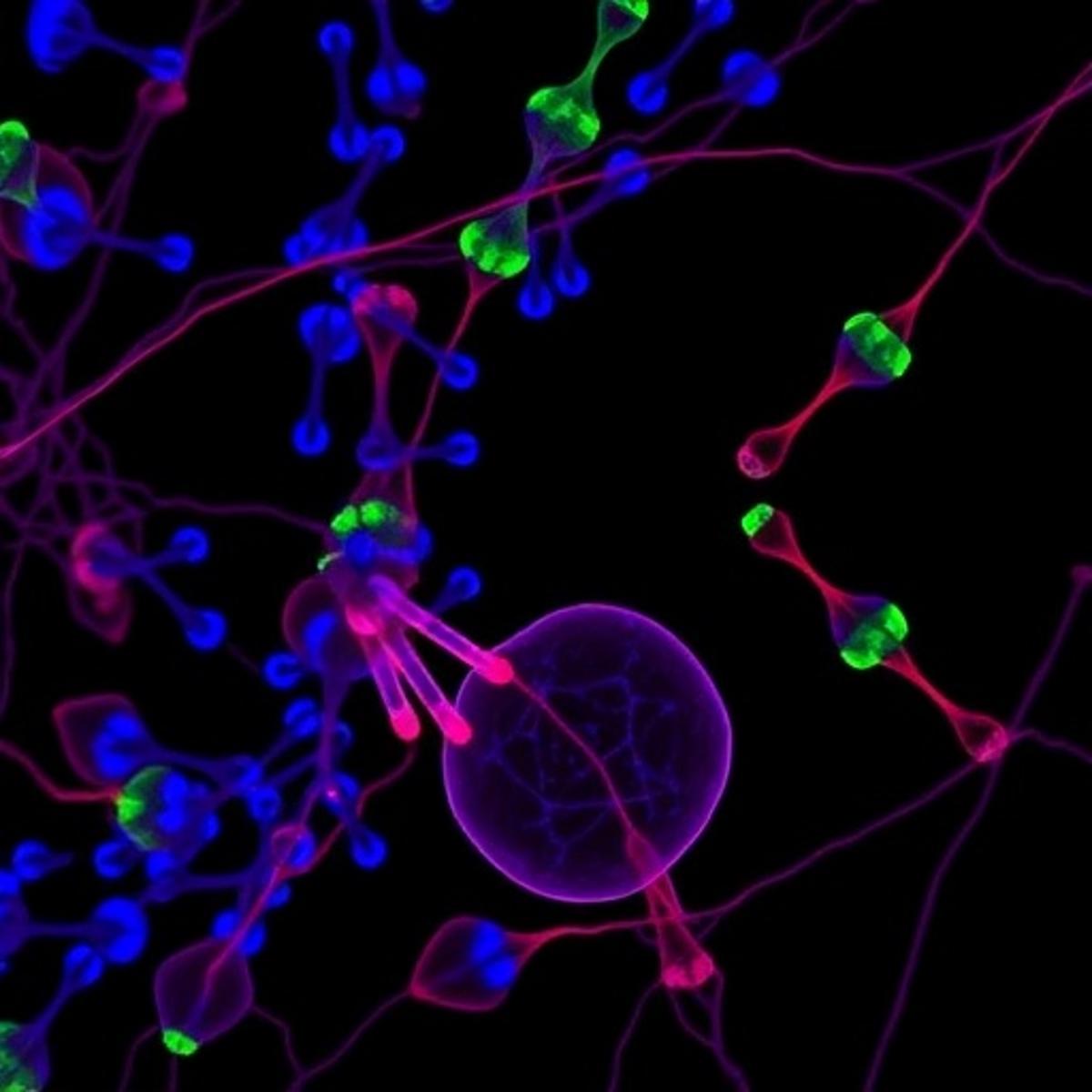
Boosting Chemoattractant Cytokine Expression in Pancreatic Cancer
•January 10, 2026
0
Why It Matters
Enhancing chemoattractant signals could transform pancreatic cancer from a historically non‑responsive disease to one amenable to immunotherapy, opening new market opportunities for biotech firms.
Key Takeaways
- •Increased cytokine levels attract immune cells to tumors.
- •Combination with checkpoint inhibitors improves survival in mice.
- •Gene therapy vector delivers cytokine genes efficiently.
- •Potential biomarker identified for patient stratification.
- •Manufacturing scalable using viral‑free platforms.
Pulse Analysis
Pancreatic ductal adenocarcinoma remains one of the deadliest cancers, largely because its dense stroma and immunosuppressive microenvironment block effective immune surveillance. Traditional immunotherapies, such as checkpoint inhibitors, have shown limited benefit, prompting researchers to explore ways to prime the tumor niche for immune attack. By focusing on chemoattractant cytokines—specifically CXCL10 and CCL5—scientists aim to create a chemokine gradient that draws cytotoxic T‑cells and natural killer cells into the tumor core, a tactic that addresses the fundamental barrier of immune exclusion.
The new study employed a non‑viral, lipid‑nanoparticle delivery system to introduce cytokine‑encoding mRNA directly into pancreatic tumor cells. This method achieved sustained expression of CXCL10 and CCL5 without eliciting significant off‑target inflammation. In murine models, treated tumors displayed a three‑fold increase in infiltrating CD8+ T‑cells and a corresponding reduction in regulatory T‑cells. When paired with anti‑PD‑1 antibodies, the combination extended median survival by nearly half, underscoring the synergistic potential of chemokine augmentation and checkpoint blockade. Importantly, the platform’s modular design allows rapid adaptation to other chemokine targets, offering a versatile toolkit for tumor‑immune engineering.
For the biotech industry, these results signal a viable pathway to revitalize pancreatic cancer pipelines that have stalled due to poor immunogenicity. Investors may see increased interest in companies developing gene‑delivery vectors, cytokine‑based therapeutics, and companion diagnostics that identify patients with low baseline chemokine expression. As clinical trials progress, the integration of chemoattractant strategies could reshape standard‑of‑care protocols, driving both therapeutic innovation and market growth in a space that has long needed a breakthrough.
Boosting Chemoattractant Cytokine Expression in Pancreatic Cancer
0
Comments
Want to join the conversation?
Loading comments...