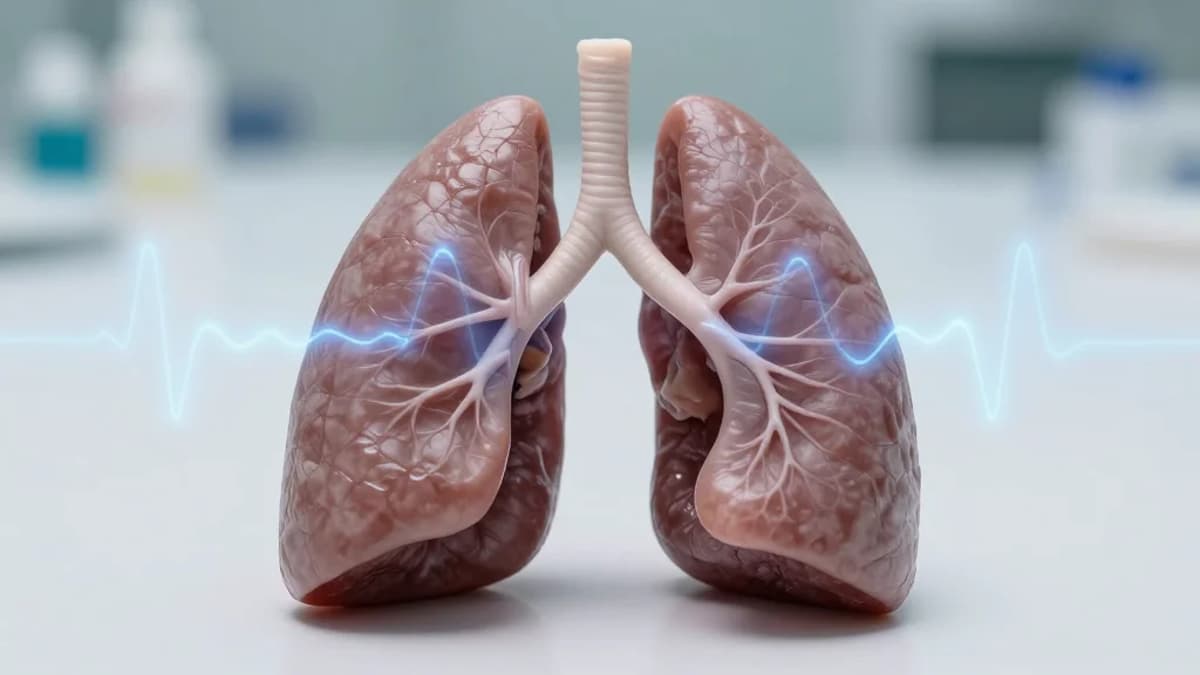
Bristol Myers Squibb Announces Collaboration with Microsoft to Advance AI-Driven Early Detection of Lung Cancer
•January 21, 2026
0
Companies Mentioned

Bristol Myers Squibb

Microsoft
MSFT
Why It Matters
Early, AI‑driven detection can cut lung‑cancer mortality while expanding equitable access, showcasing a scalable pharma‑tech model that improves outcomes and operational efficiency.
Key Takeaways
- •BMS-Microsoft AI partnership targets lung cancer early detection
- •FDA‑cleared algorithms integrate into Microsoft’s Precision Imaging Network
- •Over 80% of US hospitals already use Microsoft imaging platform
- •Focus on underserved areas to reduce health disparities
- •AI flags hard‑to‑detect nodules, streamlines radiology workflow
Pulse Analysis
Lung cancer remains the leading cause of cancer death in the United States, with over 125,000 fatalities annually. Traditional screening programs struggle with low adherence, especially in rural and low‑income populations, leading to delayed diagnoses. Artificial intelligence has emerged as a powerful adjunct, capable of parsing imaging data at scale and highlighting subtle nodules that human eyes may miss. By marrying BMS’s oncology expertise with Microsoft’s cloud‑based imaging infrastructure, the partnership creates a feedback loop where AI insights can directly inform therapeutic decisions, accelerating the path from detection to treatment.
Microsoft’s Precision Imaging Network already powers the radiology workflow of the majority of U.S. hospitals, providing a secure, interoperable environment for image storage, sharing, and AI integration. The newly deployed algorithms automatically analyze chest X‑rays and CT scans, flagging suspicious lesions and routing them to radiologists for confirmation. This reduces manual triage time, eases radiologist burnout, and creates a standardized pathway for follow‑up care. Moreover, the network’s built‑in patient‑tracking tools help ensure that incidental findings are not lost, addressing a critical gap where more than half of such cases fall through the cracks.
Beyond clinical efficiency, the collaboration underscores a broader shift toward health‑equity‑focused technology. By extending AI‑enhanced imaging to community clinics and underserved hospitals, the initiative aims to democratize early detection, narrowing the disparity gap that has long plagued lung‑cancer outcomes. For BMS, the move also opens a channel to identify patients eligible for its emerging precision therapies, while Microsoft strengthens its foothold in the health‑tech ecosystem. As AI adoption accelerates, such cross‑industry alliances are likely to become a cornerstone of next‑generation cancer care, blending data‑driven insights with therapeutic innovation.
Bristol Myers Squibb announces collaboration with Microsoft to advance AI-driven early detection of lung cancer
0
Comments
Want to join the conversation?
Loading comments...