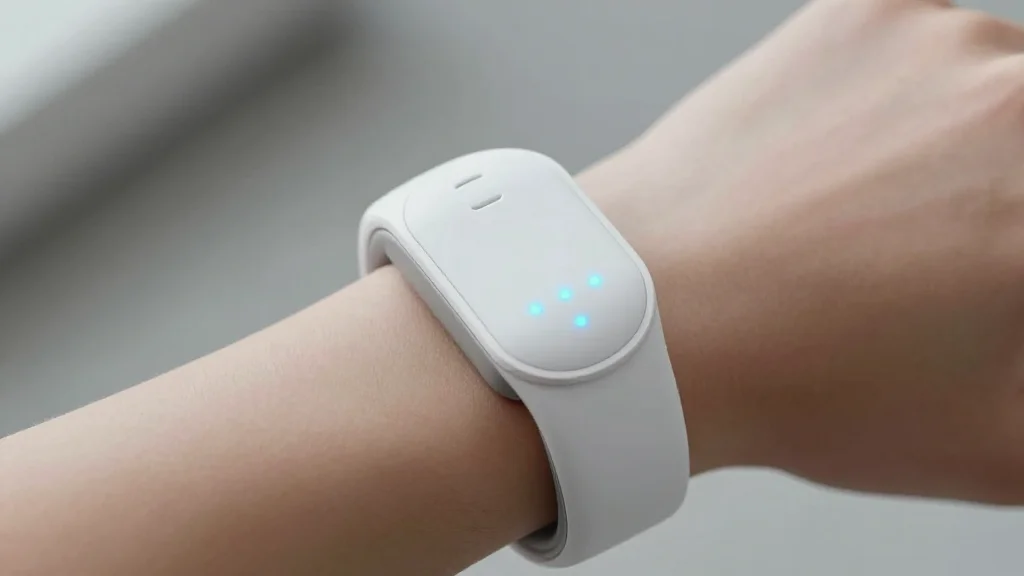
Cala Secures FDA Clearance for Next‑Gen TAPS Wearable Targeting Tremor in ET and Parkinson's

Why It Matters
The FDA clearance of Cala's kIQ Plus device signals a broader shift toward bioelectronic medicine for chronic neurological conditions. By delivering therapy directly to peripheral nerves, the system bypasses the systemic side effects of oral drugs and the invasiveness of surgical implants, offering a scalable solution for millions of patients with essential tremor and Parkinson's disease. Moreover, the inclusion of Medicare coverage and VA availability lowers financial barriers, potentially accelerating market penetration and prompting competitors to innovate in the wearable neuromodulation space. For the biotech industry, Cala's success underscores the growing convergence of neuroscience, hardware engineering, and digital health. It validates the regulatory pathway for wearable DME devices and may encourage venture capital to fund similar platforms targeting other movement or sensory disorders, expanding the pipeline of non‑pharmacologic therapies.
Key Takeaways
- •FDA clearance granted on April 15, 2026 for Cala kIQ Plus wearable neurostimulation system.
- •Device adds new therapy modes and adaptive calibration to personalize tremor relief.
- •Clinical data on improved responder rates to be presented at AAN in Chicago on April 20, 2026.
- •kIQ Plus is available through the VA health system at no cost and has Medicare coverage.
- •Cala will showcase the device at AAN booth #5024, aiming to drive clinician adoption.
Pulse Analysis
Cala's clearance arrives at a moment when the neuro‑tech sector is racing to prove that wearable devices can deliver clinically meaningful outcomes. Historically, movement‑disorder treatment has hinged on dopamine‑replacing drugs for Parkinson's and beta‑blockers for essential tremor, both of which carry tolerability issues. The kIQ Plus platform, by leveraging peripheral nerve stimulation, sidesteps central nervous system drug exposure, a differentiator that could attract patients dissatisfied with medication side effects.
From a market perspective, the device occupies a niche that bridges prescription drugs and high‑cost surgical interventions. Its DME classification enables reimbursement pathways that were previously unavailable to most digital therapeutics, potentially unlocking a multi‑billion‑dollar revenue stream. Competitors such as Boston Scientific and Medtronic have explored implantable neuromodulation for tremor, but Cala's non‑invasive approach may appeal to a broader patient base and reduce procedural risk.
Looking forward, the real test will be post‑market data on long‑term adherence and functional outcomes. If real‑world evidence confirms the early efficacy signals, insurers may expand coverage beyond the VA and Medicare, prompting a cascade of adoption across private payers. This could also spur regulatory bodies to streamline clearances for next‑generation wearables, accelerating innovation across the bioelectronic medicine landscape.
Cala Secures FDA Clearance for Next‑Gen TAPS Wearable Targeting Tremor in ET and Parkinson's
Comments
Want to join the conversation?
Loading comments...