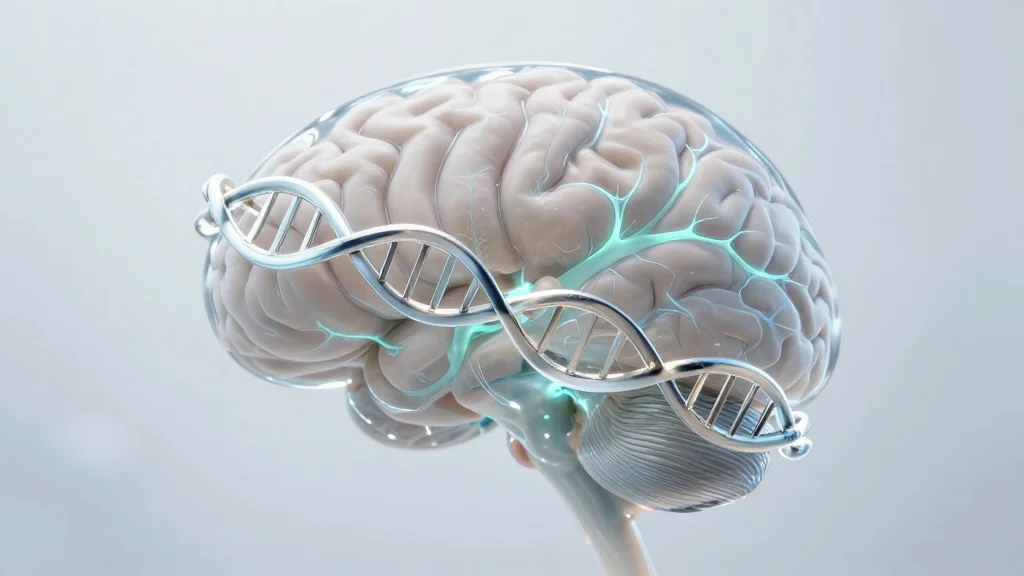
Characterization of the Chromosome 7 Locus Associated with Suicidal Behavior
Why It Matters
This locus offers a concrete genetic marker that can improve prediction of suicide risk and guide precision‑medicine approaches for mental‑health interventions.
Key Takeaways
- •Chromosome 7 locus reaches genome-wide significance for suicide risk
- •Study integrates GWAS, eQTL, and single-cell data
- •Locus influences glutamatergic and GABAergic pathways
- •Findings highlight shared genetics with psychiatric disorders
- •Potential target for therapeutic intervention and risk prediction
Pulse Analysis
Suicide remains a leading cause of premature death worldwide, and its complex etiology has long challenged researchers. While epidemiological studies have identified environmental triggers, genetic contributions have been harder to quantify. Prior twin and family investigations suggested heritability, yet few specific loci have achieved genome‑wide significance. The new chromosome 7 finding builds on this foundation, offering the first robust, replicable genetic signal that directly ties to suicidal behavior across diverse cohorts.
The breakthrough emerged from a meta‑analysis that pooled data from multiple genome‑wide association studies, encompassing tens of thousands of individuals with documented suicide attempts. Researchers layered this GWAS signal with eQTL data to pinpoint genes whose expression is altered in the brain, and then validated the functional impact using single‑cell RNA sequencing of prefrontal cortex samples. The convergent evidence points to dysregulated glutamatergic and GABAergic neurotransmission—pathways already implicated in depression, anxiety, and impulsivity—thereby providing a biologically plausible mechanism linking the chromosome 7 variant to suicidal risk.
Clinically, the identification of a specific genetic marker opens avenues for more accurate risk assessment tools, especially when combined with behavioral and environmental factors. Pharmaceutical pipelines may now explore modulators of the implicated neurotransmitter systems as potential preventive therapies. Moreover, the study underscores the value of integrative genomics—melding population‑scale GWAS with tissue‑specific expression data—to unravel complex psychiatric traits. As ethical frameworks evolve, such insights could inform personalized interventions while emphasizing the need for responsible data use and patient privacy.
Characterization of the chromosome 7 locus associated with suicidal behavior
Comments
Want to join the conversation?
Loading comments...