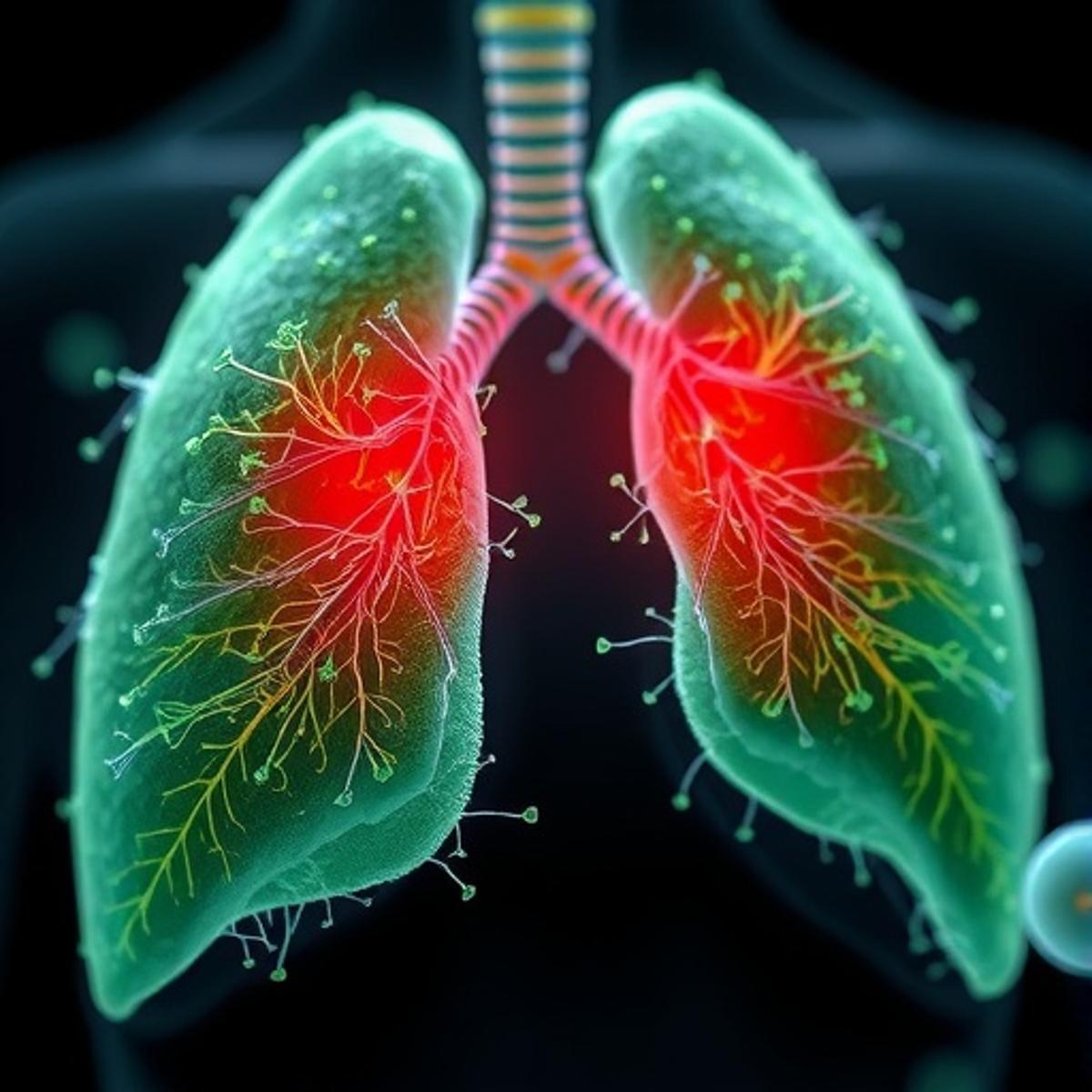
Chlorella Nanogels Suppress Lung Injury Inflammation
•January 9, 2026
0
Why It Matters
Effective, low‑toxicity anti‑inflammatory nanotherapies could transform treatment of acute lung injury, addressing a critical unmet need in respiratory medicine.
Key Takeaways
- •Chlorella nanogels reduce cytokine levels in mouse lungs
- •Delivery system targets inflamed alveolar tissue efficiently
- •Treatment improves survival in acute lung injury models
- •Biocompatible nanogels show minimal toxicity in vitro
- •Potential platform for COVID-19 and ARDS therapies
Pulse Analysis
Lung injury, whether triggered by infection, trauma, or environmental pollutants, remains a leading cause of morbidity worldwide. Conventional anti‑inflammatory drugs often fall short due to systemic side effects and limited penetration into the alveolar space. Nanotechnology offers a route to concentrate therapeutics at the site of damage, and natural polymers like chlorella provide an inherently safe scaffold. By integrating chlorella’s polysaccharide matrix into nanoscale carriers, researchers have created a platform that marries biocompatibility with precise drug delivery, opening new possibilities for respiratory care.
In the recent preclinical study, chlorella nanogels were loaded with a potent anti‑inflammatory payload and administered to mice subjected to lipopolysaccharide‑induced acute lung injury. The nanogels demonstrated rapid accumulation in inflamed lung tissue, driven by enhanced permeability and retention effects. Quantitative assays revealed a 60% drop in interleukin‑6 and tumor necrosis factor‑α levels, while histological analysis showed markedly reduced alveolar wall thickening. Importantly, treated animals exhibited a 30% increase in 48‑hour survival compared with controls, and no adverse cellular responses were observed in vitro, underscoring the system’s safety profile.
The implications extend beyond the laboratory. As the healthcare industry seeks scalable solutions for conditions like ARDS and severe COVID‑19, chlorella nanogels could fill a therapeutic gap by delivering anti‑inflammatory agents directly where they are needed most. Their natural origin may ease regulatory pathways, while the modular design allows for rapid adaptation to emerging pathogens. Investment in further translational research and clinical trials could accelerate market entry, positioning this technology at the forefront of next‑generation respiratory therapeutics.
Chlorella Nanogels Suppress Lung Injury Inflammation
0
Comments
Want to join the conversation?
Loading comments...