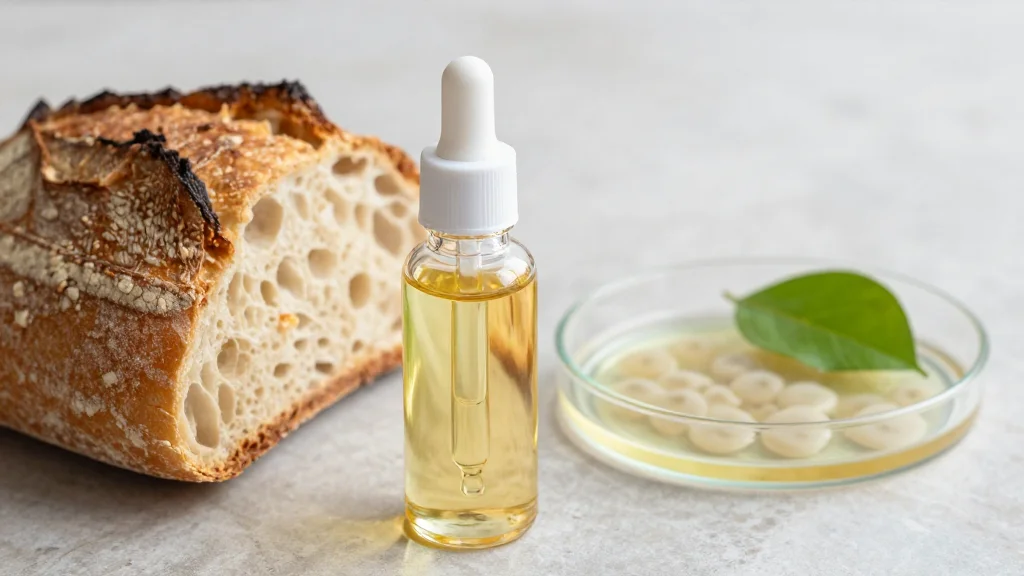
Clean Food Group Unveils Eco Cosmetics Oil Made From Yeasts Fed on Surplus Bread
Why It Matters
The launch offers the beauty sector a climate‑friendly, high‑performance alternative just as EU deforestation rules tighten, reducing supply‑chain risk and supporting sustainability commitments. It also demonstrates that waste‑derived biotech can achieve price parity, reshaping ingredient sourcing economics.
Key Takeaways
- •Yeast oil sourced from surplus bread replaces palm oil
- •Emissions drop >95% versus traditional agricultural oils
- •Regulatory approval secured for UK, EU, US markets
- •Partnerships with THG Labs and Croda enable formulation confidence
- •Series A round aims to scale production capacity
Pulse Analysis
Microbial fermentation is emerging as a cornerstone of sustainable ingredient innovation, and Clean Food Group’s CleanOil 25 exemplifies this shift. By feeding non‑GMO yeast strains with circular feedstocks such as surplus bakery waste, the company transforms low‑value food scraps into high‑grade fatty acids rich in omega‑6 and omega‑7. This approach not only diverts waste from landfills but also sidesteps the environmental toll of palm and coconut oil cultivation, which drive deforestation and biodiversity loss in tropical regions.
The timing of CleanOil’s market entry aligns with tightening regulatory pressure, notably the EU’s Deforestation Regulation slated for December. Cosmetics manufacturers face hefty fines for sourcing palm oil linked to cleared forest land, prompting a rapid search for compliant alternatives. CleanOil 25’s proven performance—silky texture, colour stability, and odor neutrality—combined with its 95% lower carbon footprint, gives brands a ready‑to‑use solution that satisfies both sustainability mandates and consumer demand for clean beauty formulations.
From an investment perspective, Clean Food Group has validated its technology at scale, completing a 60,000‑litre run that yielded two tonnes of oil and acquiring a 12‑acre production hub in Liverpool. Backed by £7.5 million in UK government funding and support from Döhler Ventures, the startup is now courting Series A capital to expand capacity and drive down costs further. As the biotech‑derived fats market gains traction, CleanOil positions the company to capture a growing share of the cosmetics supply chain while delivering measurable ESG benefits to its partners.
Clean Food Group Unveils Eco Cosmetics Oil Made from Yeasts Fed on Surplus Bread
Comments
Want to join the conversation?
Loading comments...