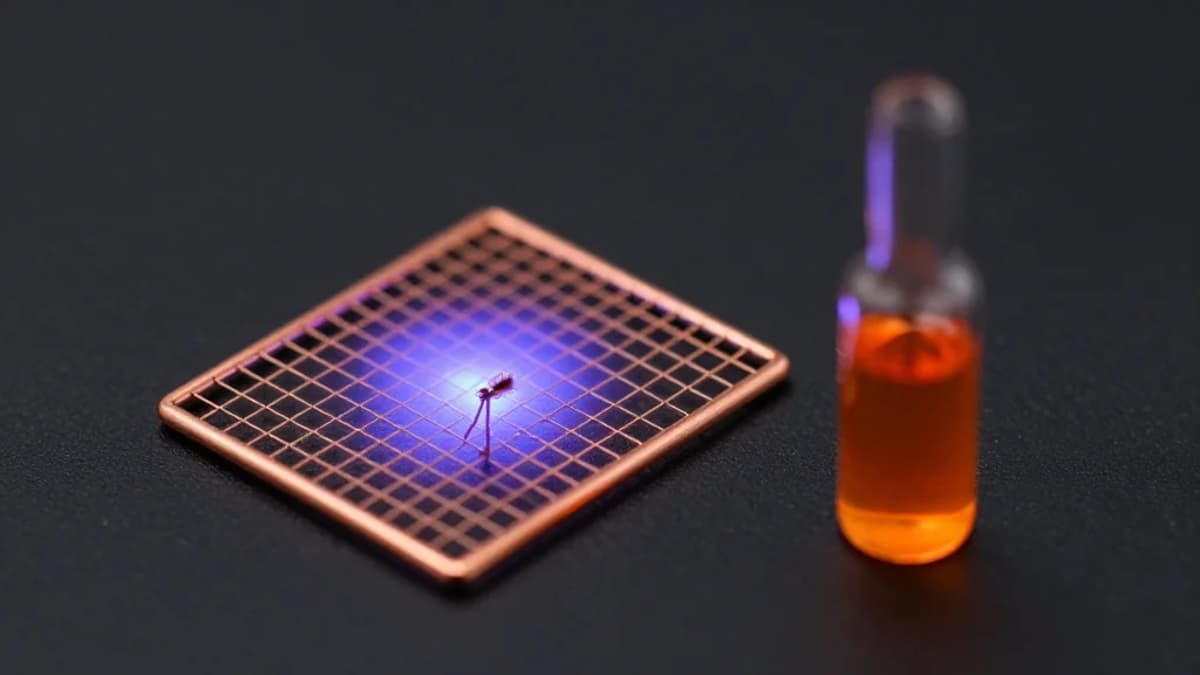
Coffee as a Staining Agent Substitute in Electron Microscopy
•January 8, 2026
0
Why It Matters
Replacing uranyl acetate with coffee eliminates toxic, radioactive waste, improving lab safety and sustainability. This breakthrough could lower costs and expand access to advanced microscopy techniques.
Key Takeaways
- •Espresso matches uranyl acetate contrast in EM images
- •Coffee staining reduces toxic, radioactive waste
- •Study used mitochondria ultrathin sections for comparison
- •Further tissue testing needed for broader adoption
- •Findings published in Methods journal, 2025
Pulse Analysis
Electron microscopy relies on heavy‑metal stains to render cellular structures visible, with uranyl acetate long considered the gold standard. However, its radioactivity and strict regulatory controls pose logistical and safety challenges for many research facilities. The search for a non‑toxic, readily available substitute has intensified, prompting scientists to explore unconventional materials that can deliver comparable electron density without the associated hazards.
The Graz University team turned to a ubiquitous kitchen staple—espresso—and discovered that its natural pigments and organic compounds can act as effective contrast enhancers. In controlled experiments, ultrathin sections of mitochondria stained with coffee exhibited contrast values on par with, and occasionally surpassing, those achieved with uranyl acetate. Image‑analysis software confirmed the visual parity, while the coffee‑based protocol eliminated the need for hazardous waste disposal, offering a greener, cost‑effective workflow for laboratories worldwide.
If further studies validate coffee’s performance across diverse tissue types, the implications could be far‑reaching. Academic labs, especially those with limited funding or strict safety regulations, would gain immediate access to high‑quality staining without navigating complex licensing. Moreover, the environmental benefits align with growing sustainability mandates in scientific research. Continued validation and standardization could see coffee‑based stains becoming a new benchmark, reshaping sample preparation practices in electron microscopy.
Coffee as a staining agent substitute in electron microscopy
0
Comments
Want to join the conversation?
Loading comments...