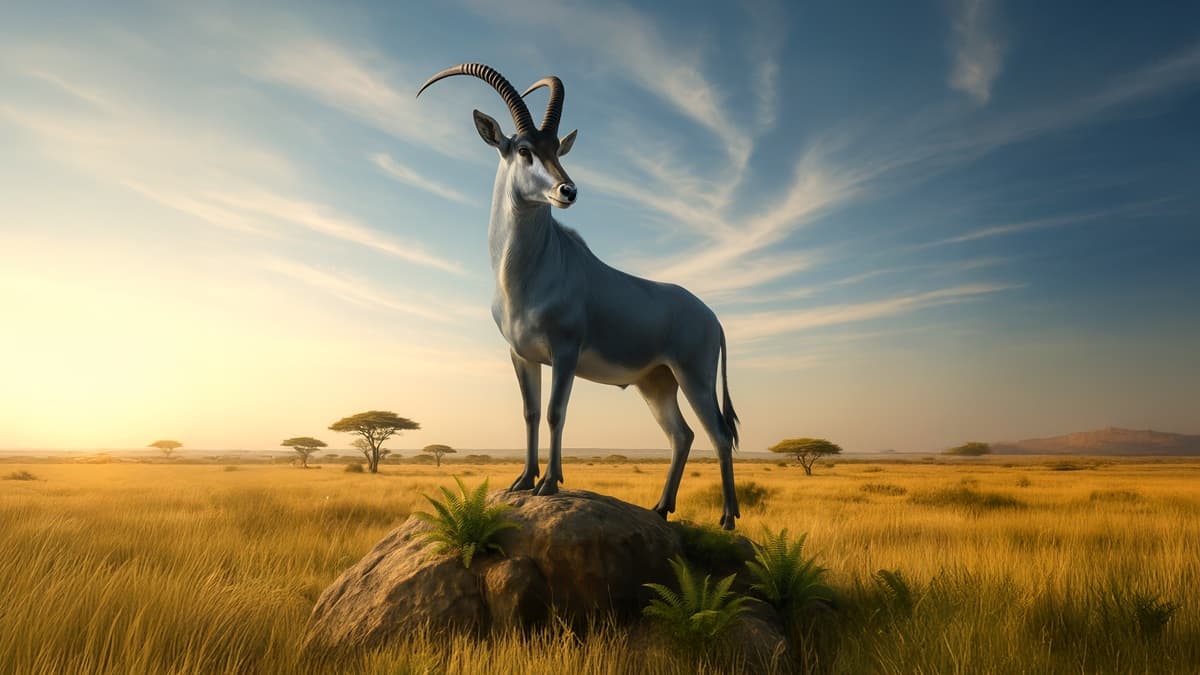
Colossal Biosciences Plans to De-Extinct the Bluebuck Antelope
Why It Matters
Reviving the bluebuck showcases the scalability of gene‑editing platforms, potentially opening new revenue streams in wildlife restoration and biotech licensing while raising ethical and ecological debates.
Key Takeaways
- •Colossal targets bluebuck, extinct since 1800, for de‑extinction
- •CRISPR and cloned embryos form core of revival method
- •Project adds to existing slate of five species slated for resurrection
- •Potential market includes biotech licensing, tourism, and conservation funding
- •Raises regulatory, ethical, and ecosystem‑impact questions
Pulse Analysis
Colossal Biosciences’ bluebuck project marks a milestone in synthetic biology, illustrating how advanced gene‑editing tools can move beyond laboratory models to whole‑organism restoration. By extracting DNA from museum specimens and splicing it into a closely related surrogate genome, the company hopes to produce viable embryos that can be gestated in surrogate surrogates. This approach builds on the firm’s earlier work with the woolly mammoth and passenger pigeon, signaling a shift from proof‑of‑concept to a pipeline of multiple target species.
The commercial implications are significant. If successful, Colossal could license its proprietary CRISPR platform to wildlife agencies, biotech firms, and even luxury tourism operators seeking unique, living attractions. Investors are watching closely, as the de‑extinction market promises new streams of funding for conservation, genetic research, and even climate‑mitigation strategies that leverage resurrected megafauna. However, the venture also faces a complex regulatory landscape, with governments worldwide debating the ecological risks of releasing engineered organisms into the wild.
Ethical considerations remain at the forefront of the conversation. Critics argue that resources might be better allocated to protecting existing endangered species, while proponents contend that de‑extinction could restore lost ecological functions and biodiversity. As Colossal advances toward a bluebuck birth, the debate will likely shape policy frameworks and public perception, influencing the future trajectory of synthetic conservation and its role in the broader biotech industry.
Colossal Biosciences plans to de-extinct the bluebuck antelope
Comments
Want to join the conversation?
Loading comments...