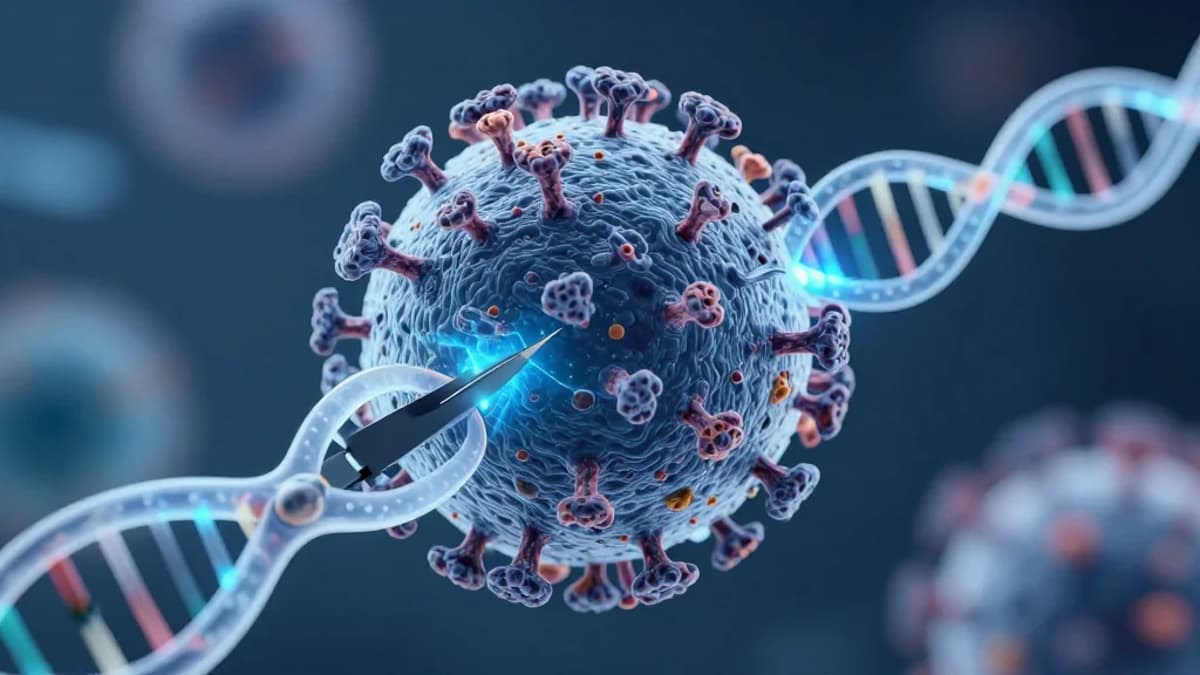
CRISPR Discovery Could Lead to Single Diagnostic Test for COVID, Flu, RSV
•January 7, 2026
0
Why It Matters
A single, accurate test for three major respiratory viruses could streamline clinical workflows and reduce testing costs, while the DNA‑sparing mechanism opens a safer route for CRISPR‑based antivirals.
Key Takeaways
- •Cas12a3 targets RNA, not DNA
- •Cleaves tRNA tails, stopping viral protein synthesis
- •Preserves host DNA, reducing cytotoxicity
- •Enables single test for COVID, flu, RSV
- •Opens path for CRISPR‑based therapeutics
Pulse Analysis
The race to multiplex respiratory diagnostics has accelerated since the COVID‑19 pandemic exposed the limits of single‑pathogen assays. Existing CRISPR platforms such as Cas12a and Cas13 rely on collateral cleavage of nucleic acids to generate a fluorescent readout, but they often require separate reactions for each target. Cas12a3’s RNA‑centric activity, combined with its ability to repeatedly cleave transfer RNAs, offers a unified detection chemistry that can be programmed for multiple viral genomes in a single reaction tube, cutting reagent use and turnaround time.
From a technical standpoint, Cas12a3’s precision stems from its selective tRNA‑tail cleavage, which interrupts translation without inducing the double‑strand breaks that jeopardize host cell viability. This property mitigates the cytotoxicity seen with DNA‑targeting CRISPR tools, making it attractive for integration into lateral‑flow strips, microfluidic chips, or portable fluorescence devices. Researchers can embed guide RNAs for SARS‑CoV‑2, influenza A/B, and RSV, allowing the enzyme’s collateral activity to amplify a universal reporter signal once any target is present, thereby delivering a clear positive/negative result in under 30 minutes.
Commercially, a single‑test platform could capture a sizable share of the $7 billion global respiratory diagnostics market, especially in low‑resource settings where multiplex PCR remains cost‑prohibitive. Pharmaceutical firms may also explore Cas12a3 as a therapeutic vector to silence viral replication without off‑target DNA damage, potentially accelerating regulatory pathways that favor safety. Partnerships between biotech innovators and diagnostic manufacturers are likely to emerge, aiming to translate the laboratory findings into FDA‑cleared kits within the next 18‑24 months.
CRISPR discovery could lead to single diagnostic test for COVID, flu, RSV
0
Comments
Want to join the conversation?
Loading comments...