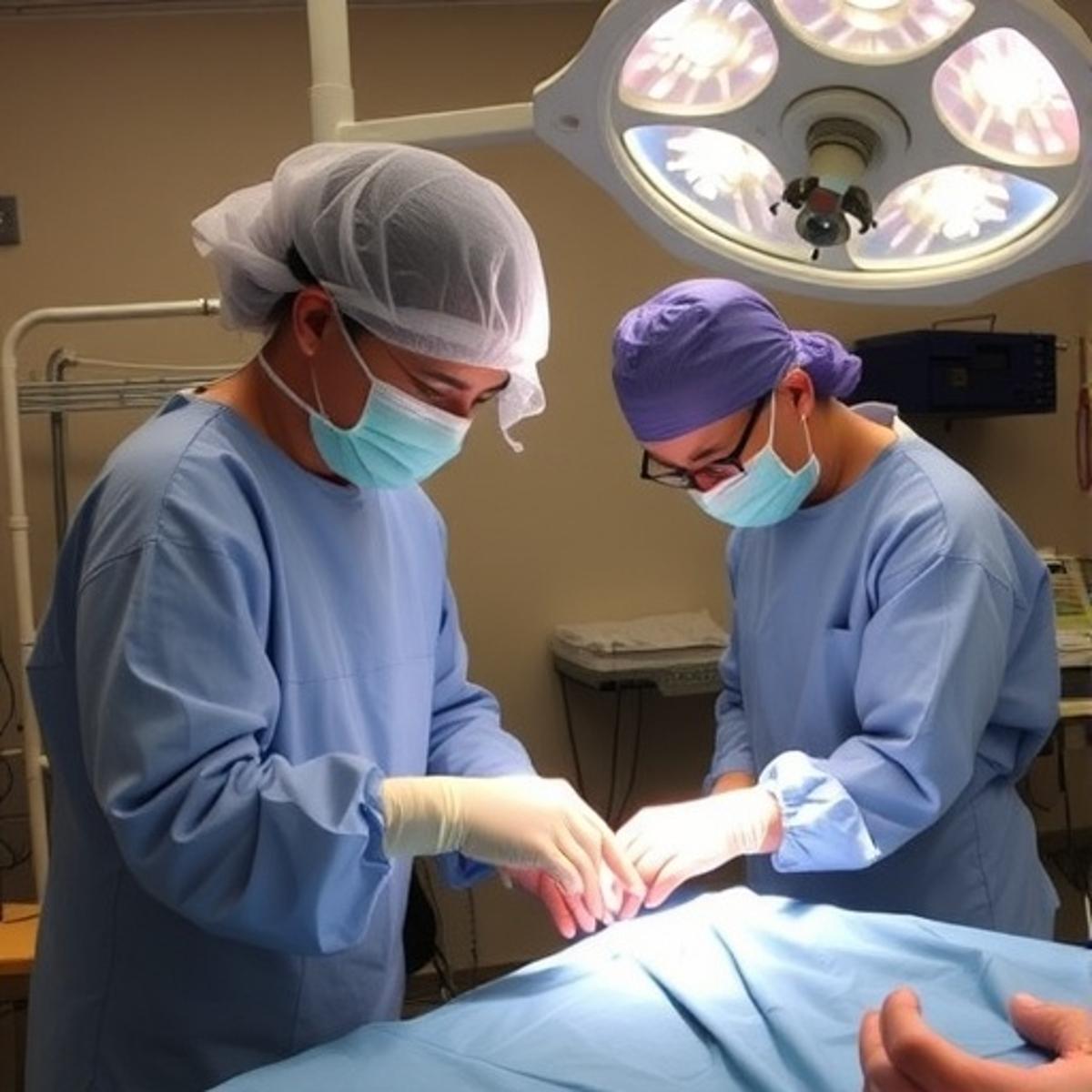
Cutting-Edge Surgical Technique Reduces Ovarian Cancer Risk by Nearly 80%
•February 2, 2026
0
Why It Matters
The procedure offers a highly effective, low‑risk strategy to curb ovarian cancer, the deadliest gynecologic malignancy, potentially reshaping standard surgical practice and saving lives.
Key Takeaways
- •Opportunistic salpingectomy cuts ovarian cancer risk ~80%.
- •Procedure performed during benign gynecologic surgeries.
- •Long-term data shows sustained risk reduction.
- •No significant increase in surgical complications.
- •Guidelines may adopt routine salpingectomy for prevention.
Pulse Analysis
Ovarian cancer remains a leading cause of cancer death among women, largely because it is often diagnosed at an advanced stage. Traditional screening methods have limited efficacy, driving clinicians to explore primary prevention. Opportunistic salpingectomy—removing the fallopian tubes during unrelated pelvic surgeries—has emerged as a promising tactic, given that most high‑grade serous cancers originate in the tubal epithelium. By targeting the disease at its source, the approach aligns with a broader shift toward risk‑reducing interventions in women’s health.
The latest study, encompassing more than 15,000 patients across several hospitals, provides robust evidence of the technique’s impact. Participants who underwent salpingectomy experienced an 80% reduction in tubo‑ovarian carcinoma incidence compared with controls, without a measurable rise in operative time, blood loss, or postoperative complications. The researchers employed propensity‑score matching to mitigate selection bias and followed patients for an average of 12 years, reinforcing the durability of the protective effect. These results validate earlier, smaller investigations and suggest that the benefit outweighs any marginal increase in surgical effort.
If adopted widely, opportunistic salpingectomy could transform clinical guidelines and health‑policy decisions. Cost‑effectiveness analyses indicate that the modest additional operative time translates into substantial long‑term savings by averting expensive cancer treatments. Moreover, the procedure offers a tangible preventive option for women who are not candidates for more invasive risk‑reduction strategies, such as prophylactic oophorectomy. As professional societies consider integrating salpingectomy into standard practice, patient education will be crucial to ensure informed consent and maximize uptake, while ongoing research will refine patient selection and explore synergistic preventive measures.
Cutting-Edge Surgical Technique Reduces Ovarian Cancer Risk by Nearly 80%
0
Comments
Want to join the conversation?
Loading comments...