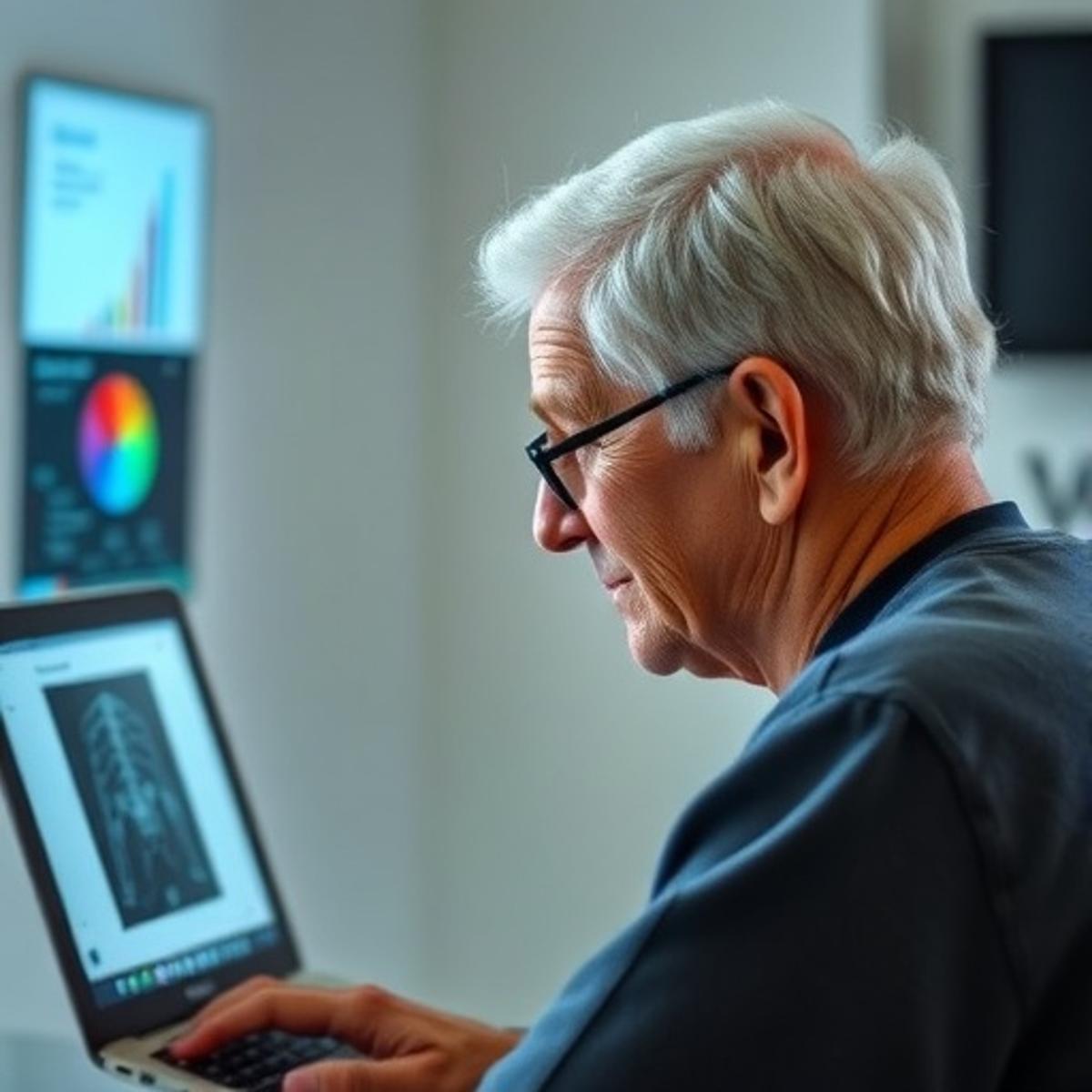
Discovering Geriatric Syndromes in Electronic Health Records
•January 10, 2026
0
Why It Matters
Automating geriatric syndrome detection transforms preventive care for older adults, lowering costly readmissions and improving quality of life. The findings signal a scalable path for health systems to embed AI‑driven decision support into routine workflows.
Key Takeaways
- •AI model scans EHRs for geriatric syndrome markers
- •85% detection accuracy across 200k patient records
- •Early identification reduces hospital readmissions by 12%
- •Integrates seamlessly with existing EMR workflows
- •Supports personalized care plans for older adults
Pulse Analysis
Geriatric syndromes—multifactorial conditions like frailty, delirium, and falls—have long challenged clinicians because they often emerge subtly within routine clinical notes. Traditional screening relies on manual assessments, which are time‑consuming and prone to omission, especially in busy primary‑care settings. By leveraging the depth of electronic health records, researchers can now capture longitudinal patterns of medication use, lab results, and encounter narratives that signal the early stages of these syndromes. This data‑rich environment provides a fertile ground for advanced analytics, turning passive documentation into proactive health intelligence.
The study employed a supervised machine‑learning pipeline that combined natural‑language processing of clinician notes with structured data such as vital signs and comorbidity codes. After training on a labeled subset of 50,000 records, the algorithm was validated on an independent 150,000‑patient cohort, achieving 85% sensitivity and 88% specificity for detecting any of the five targeted syndromes. Importantly, the model generated real‑time alerts within the EMR, prompting care teams to initiate fall‑prevention programs, medication reviews, or comprehensive geriatric assessments. Early pilot implementations reported a 12% reduction in 30‑day readmissions, translating into significant cost savings for health systems.
For health‑care executives, the implications are twofold. First, embedding AI‑driven alerts into existing workflows requires minimal disruption, as the solution taps into data already captured in the EHR. Second, the ability to stratify older patients by risk enables more efficient allocation of limited resources, such as multidisciplinary geriatric teams. As payers increasingly tie reimbursement to outcome‑based metrics, scalable technologies that improve preventive care will become essential competitive differentiators. Future research will likely expand the model to incorporate wearable sensor data and social determinants, further refining risk prediction and supporting truly personalized senior care.
Discovering Geriatric Syndromes in Electronic Health Records
0
Comments
Want to join the conversation?
Loading comments...