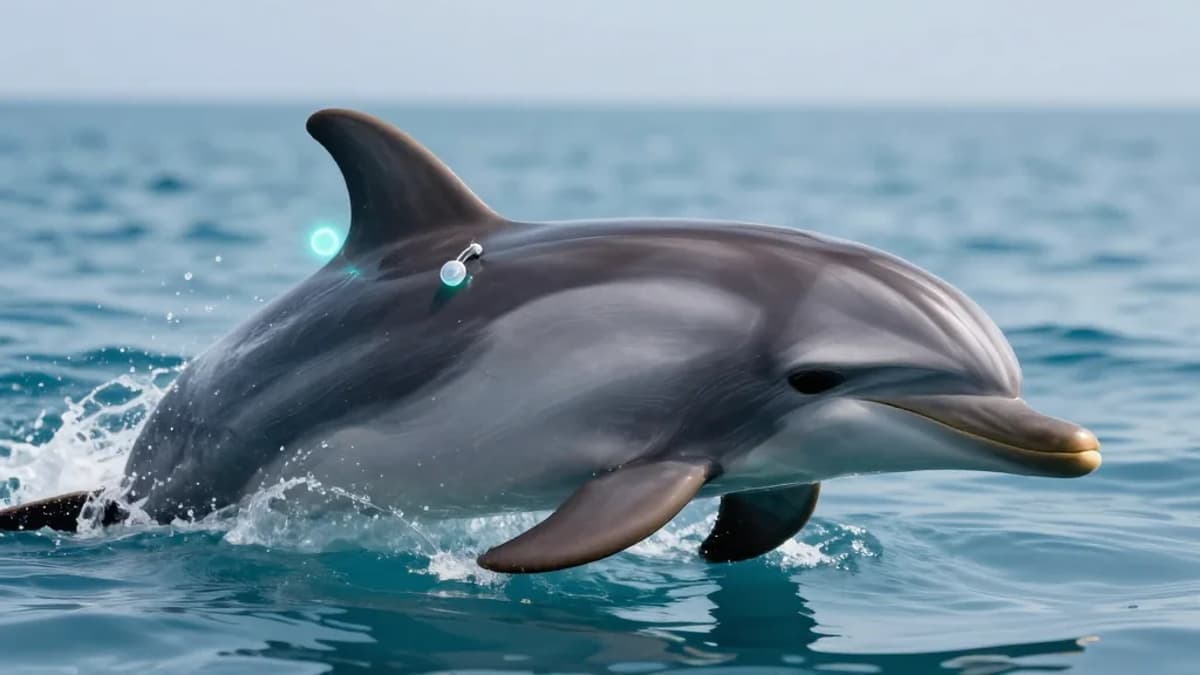
Why It Matters
Non‑invasive drone monitoring offers a stress‑free, scalable way to assess dolphin health, enhancing conservation and management decisions. It could transform marine‑mammal monitoring by reducing logistical barriers and animal disturbance.
Key Takeaways
- •Drone thermal imaging measures dolphin surface temperature accurately
- •Respiration rates captured from blowhole heat signatures
- •Optimal flight altitude: 10‑15 meters overhead
- •Non‑invasive method reduces stress on marine mammals
- •Study validates over 40,000 thermal images
Pulse Analysis
Thermal imaging drones are reshaping marine‑mammal health surveillance by delivering precise, contact‑free measurements of vital signs. Traditional health checks often require capture, restraint, or invasive probes, which are logistically demanding and can stress the animals. Infrared thermography captures the subtle heat signatures emitted from a dolphin’s blowhole, body surface, and dorsal fin, enabling researchers to monitor physiological states such as stress, disease, or environmental impact without disturbing natural behavior.
In the recent Flinders University study, more than 40,000 drone‑derived thermal frames were compared against close‑range temperature probes on 14 bottlenose dolphins at Queensland’s Sea World. The data revealed that flights conducted at 10‑15 m directly above the subjects yielded temperature and respiration measurements precise enough to detect biologically meaningful changes. By reliably counting exhalations and mapping surface temperature gradients, the technology proved its capability to serve as a proxy for traditional health metrics, offering a repeatable, cost‑effective solution for both managed care facilities and field researchers.
The broader implications extend to global dolphin conservation and marine ecosystem management. As climate change and human activities intensify pressures on marine habitats, rapid, non‑invasive health assessments become critical for early detection of stressors and disease outbreaks. Continued refinement—such as automated image analysis and integration with satellite data—could enable large‑scale monitoring programs, informing policy and resource allocation. Ultimately, drone‑based infrared thermography promises to lower barriers to data collection, fostering more proactive and evidence‑driven conservation strategies.
Drone monitoring helps dolphins
0
Comments
Want to join the conversation?
Loading comments...