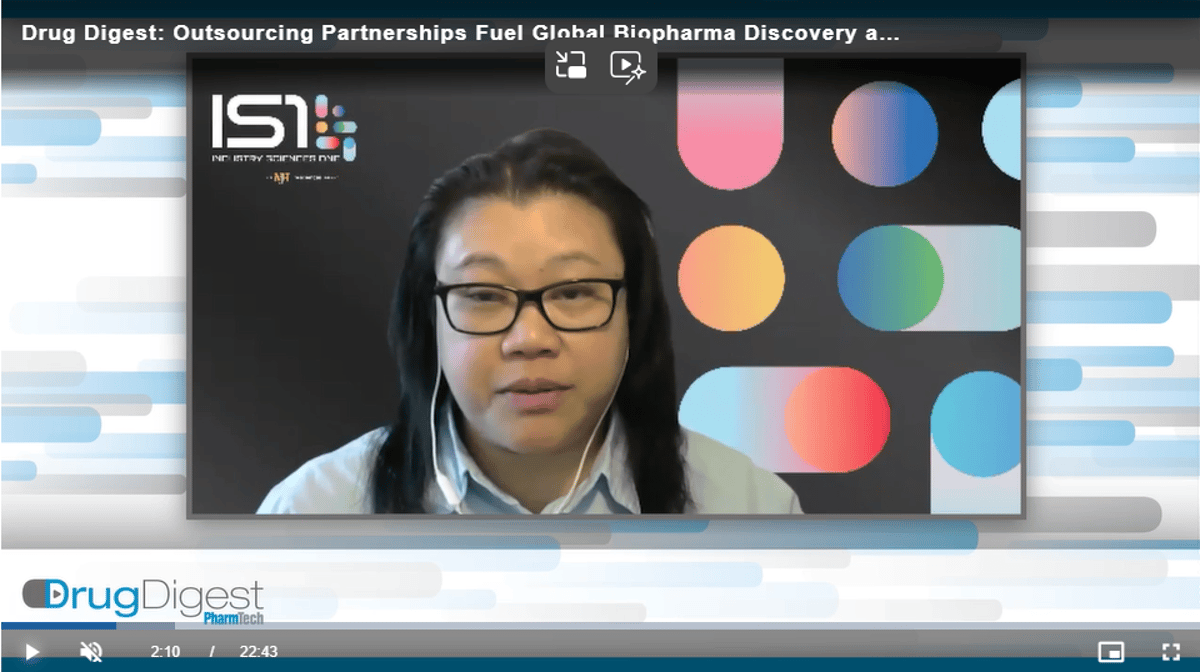
Drug Digest: Outsourcing Partnerships Fuel Global Biopharma Discovery and Scale-Up
•February 6, 2026
0


Why It Matters
Outsourcing delivers speed, cost efficiency, and risk mitigation, essential for competing in the fast‑moving regenerative‑medicine market.
Key Takeaways
- •Outsourcing links discovery to manufacturing, cutting timelines
- •Partner selection driven by risk‑focused, problem‑solved criteria
- •Integrated data flow prevents knowledge loss across partners
- •AI tools boost predictive accuracy in early-stage design
- •External expertise essential for cell and gene therapy scale‑up
Pulse Analysis
The biopharma sector is increasingly turning to strategic outsourcing to compress the notoriously long discovery‑to‑clinic timeline. By delegating specialized steps—such as high‑throughput screening, synthetic chemistry, or ex‑vivo cell manufacturing—to niche providers, sponsors tap into best‑in‑class platforms without the capital outlay of building them in‑house. This model creates a seamless pipeline where data, reagents, and process knowledge flow directly from early‑stage research into formulation and scale‑up, shaving months off critical milestones. As a result, companies can launch first‑in‑human studies faster while preserving flexibility to pivot when new data emerge.
Choosing the right partner now follows a problem‑driven framework rather than a blanket vendor list. Sponsors first map the key risks—target validation, manufacturability, regulatory compliance—and then evaluate external technologies that directly mitigate those gaps. iOrganBio exemplifies this approach by offering an AI‑enabled, data‑centric platform that bridges cell‑based model creation with downstream process engineering, allowing drug programs to de‑risk ex‑vivo therapies before committing to costly GMP runs. Integrated workflows, whether centralized or distributed, ensure that material and information hand‑offs are loss‑free, preserving intellectual property and accelerating decision points.
The infusion of AI and digital twins is reshaping every node of the pipeline, from in silico target prediction to virtual clinical trial simulations. Predictive models now achieve sufficient accuracy to prioritize candidates before any wet‑lab work, slashing early‑stage attrition rates. When combined with outsourced manufacturing expertise, these tools enable rapid iteration cycles and real‑time process optimization, a competitive edge in the crowded cell‑and gene‑therapy arena. As regulatory agencies grow comfortable with data‑rich, partner‑driven submissions, the industry can expect a new norm where strategic outsourcing and AI co‑drive faster, cheaper, and more reliable drug development.
Drug Digest: Outsourcing Partnerships Fuel Global Biopharma Discovery and Scale-Up
0
Comments
Want to join the conversation?
Loading comments...