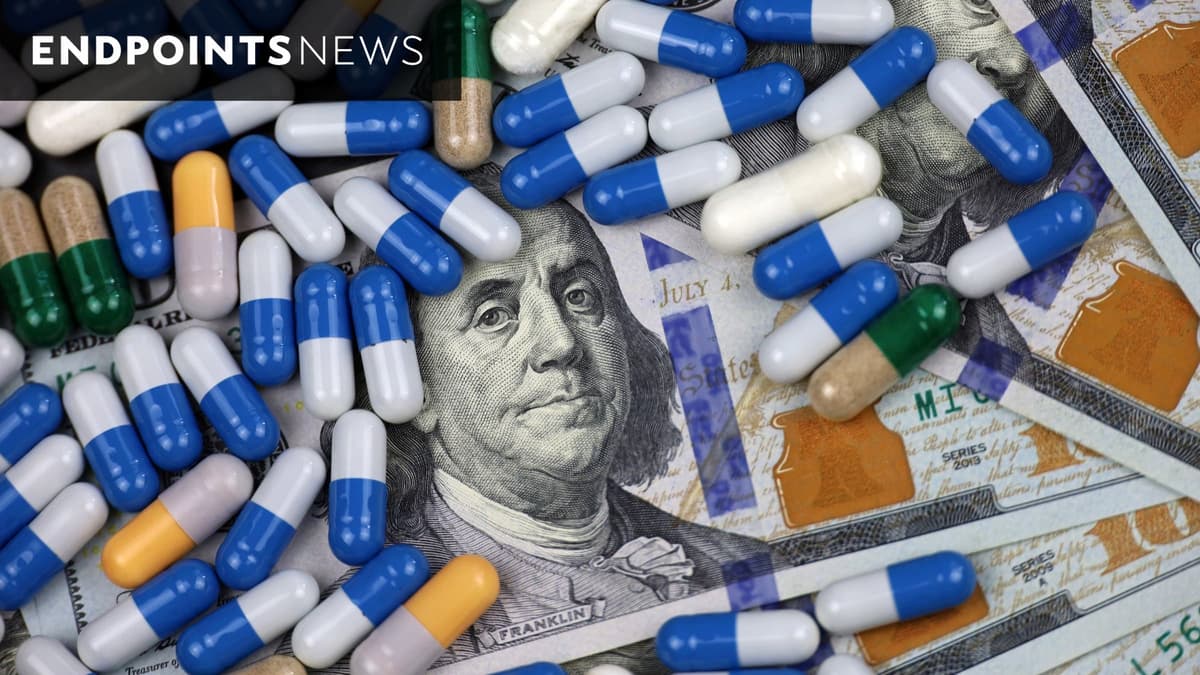
Drugmakers without MFN Pacts Are Bracing to Make One
•January 16, 2026
0
Why It Matters
MFN agreements could institutionalize lower drug prices, impacting pharmaceutical revenue and Medicare spending while altering competitive dynamics across the market.
Key Takeaways
- •Only 17 pharma firms signed Trump’s price‑cut demand
- •Remaining companies fear future regulatory pressure without MFN agreements
- •MFN pacts could lock in lower prices across drug classes
- •Negotiations may shift market dynamics toward generic competition
- •Potential MFN deals could affect Medicare Part D spending
Pulse Analysis
The Trump administration’s 2020 price‑cut directive sent shockwaves through the pharmaceutical sector, prompting a rare public showdown between policymakers and drug manufacturers. While the president’s demand was clear—significant reductions across the board—most firms chose silence over compliance, citing concerns about profitability, innovation pipelines, and the complexities of negotiating price cuts on a product‑by‑product basis. The resulting stalemate left only a handful of companies willing to publicly align with the administration’s agenda, underscoring the industry’s reluctance to cede pricing control.
Most‑favored‑nation (MFN) pacts, a contractual tool more common in international trade, require a seller to extend to a designated buyer any price advantage it offers to other purchasers. In the pharmaceutical context, an MFN clause would compel a drugmaker to match the lowest price it grants to any competitor or payer, effectively standardizing discounts across the market. Proponents argue that MFN agreements can streamline negotiations, reduce administrative burdens, and deliver predictable savings for insurers and government programs. Critics, however, warn that such clauses may suppress price differentiation, limit manufacturers’ ability to reward high‑volume or innovative partners, and potentially discourage investment in new therapies.
If a wave of MFN contracts materializes, the ramifications will ripple through the entire healthcare ecosystem. Medicare Part D could see measurable cost containment, easing budget pressures for both the federal government and beneficiaries. At the same time, pharmaceutical firms may recalibrate their pricing strategies, focusing on volume growth and cost‑efficiency rather than premium pricing for breakthrough drugs. Investors will likely scrutinize earnings forecasts for signs of margin compression, while generic manufacturers could gain a foothold as price parity erodes brand‑name advantages. Ultimately, the move toward MFN pacts signals a shift toward more regulated pricing dynamics, reshaping how value is negotiated in America’s drug market.
Drugmakers without MFN pacts are bracing to make one
0
Comments
Want to join the conversation?
Loading comments...