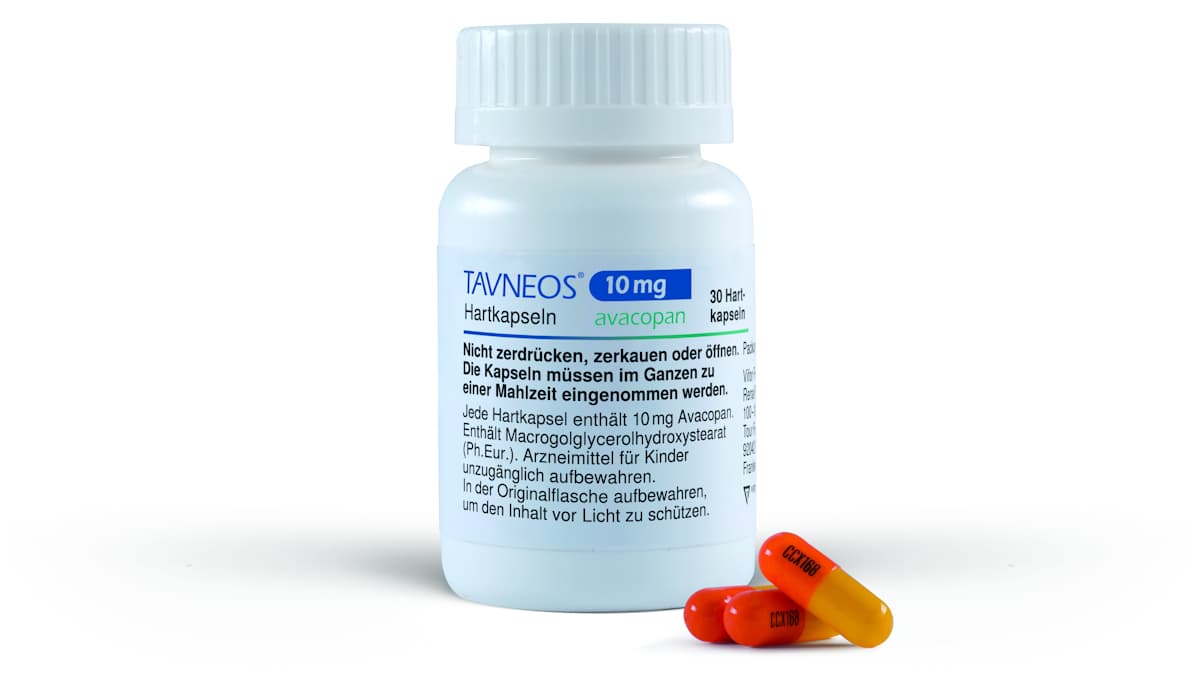
EMA Looks Into 'Data Integrity' Issue with Amgen's Tavneos
•January 30, 2026
0
Companies Mentioned


Why It Matters
A potential change to Tavneos’ EU status could shave billions from Amgen’s revenue and limit an oral option for patients with rare vasculitis, while underscoring heightened regulatory focus on trial data integrity.
Key Takeaways
- •EMA investigates data integrity of Tavneos' pivotal trial
- •ADVOCATE study data handling may affect efficacy conclusions
- •US sales reached $301 million YTD 2025
- •EU authorisation could be amended or revoked
- •Rare vasculitis patients may lose oral therapy option
Pulse Analysis
The European Medicines Agency’s decision to scrutinise the ADVOCATE trial data marks a rare regulatory deep‑dive into the handling of pivotal study information. Tavneos, the first oral complement C5 inhibitor approved for granulomatosis with polyangiitis (GPA) and microscopic polyangiitis (MPA), secured EU approval in 2022 based largely on the ADVOCATE results. By questioning the integrity of those data, the EMA signals that any perceived manipulation or procedural lapse could reshape the drug’s benefit‑risk profile, prompting a reassessment of its market authorisation across Europe.
Commercially, Tavneos has become a cornerstone of Amgen’s specialty portfolio. After acquiring ChemoCentryx for $3.7 billion, Amgen leveraged the drug’s US launch in 2021, driving sales to $283 million in 2024 and $301 million in the first three quarters of 2025. The EU market, though smaller, contributes a strategic foothold for rare‑disease therapies. A suspension or revocation would not only erode revenue streams but also affect Amgen’s pipeline credibility, potentially influencing investor sentiment and future acquisition valuations in the biotech sector.
The broader implication extends beyond a single molecule. Regulatory bodies worldwide are tightening oversight of clinical trial data, especially for high‑impact, fast‑track approvals. The EMA’s move may set a precedent for re‑evaluating other drugs approved on limited data sets, encouraging sponsors to bolster data governance and transparency. For clinicians and patients, the outcome could reshape treatment algorithms, pushing reliance back toward intravenous options like rituximab or alternative biologics such as GSK’s Nucala. Ultimately, the review underscores the delicate balance between rapid access to innovative therapies and the uncompromising need for robust, trustworthy evidence.
EMA looks into 'data integrity' issue with Amgen's Tavneos
0
Comments
Want to join the conversation?
Loading comments...