Enhancing Nursing Students’ Genetics Experience Through Leadership
•January 16, 2026
0
Why It Matters
Equipping nurses with robust genetics knowledge accelerates the adoption of personalized medicine and improves patient outcomes across diverse clinical settings.
Key Takeaways
- •Leadership model boosts genetics competency by 22%
- •Simulation labs embed real‑world genomic decision‑making
- •Interdisciplinary projects foster collaborative care skills
- •Higher confidence translates to better patient counseling
Pulse Analysis
The healthcare landscape is rapidly shifting toward precision medicine, where genetic insights guide diagnosis and treatment. Traditional nursing curricula, however, often lag behind, leaving graduates underprepared for genomic integration. By embedding leadership principles—such as mentorship, peer coaching, and project ownership—into genetics education, schools create a culture of continuous learning. This approach not only enhances knowledge retention but also cultivates the soft skills nurses need to translate complex genetic data into actionable care plans.
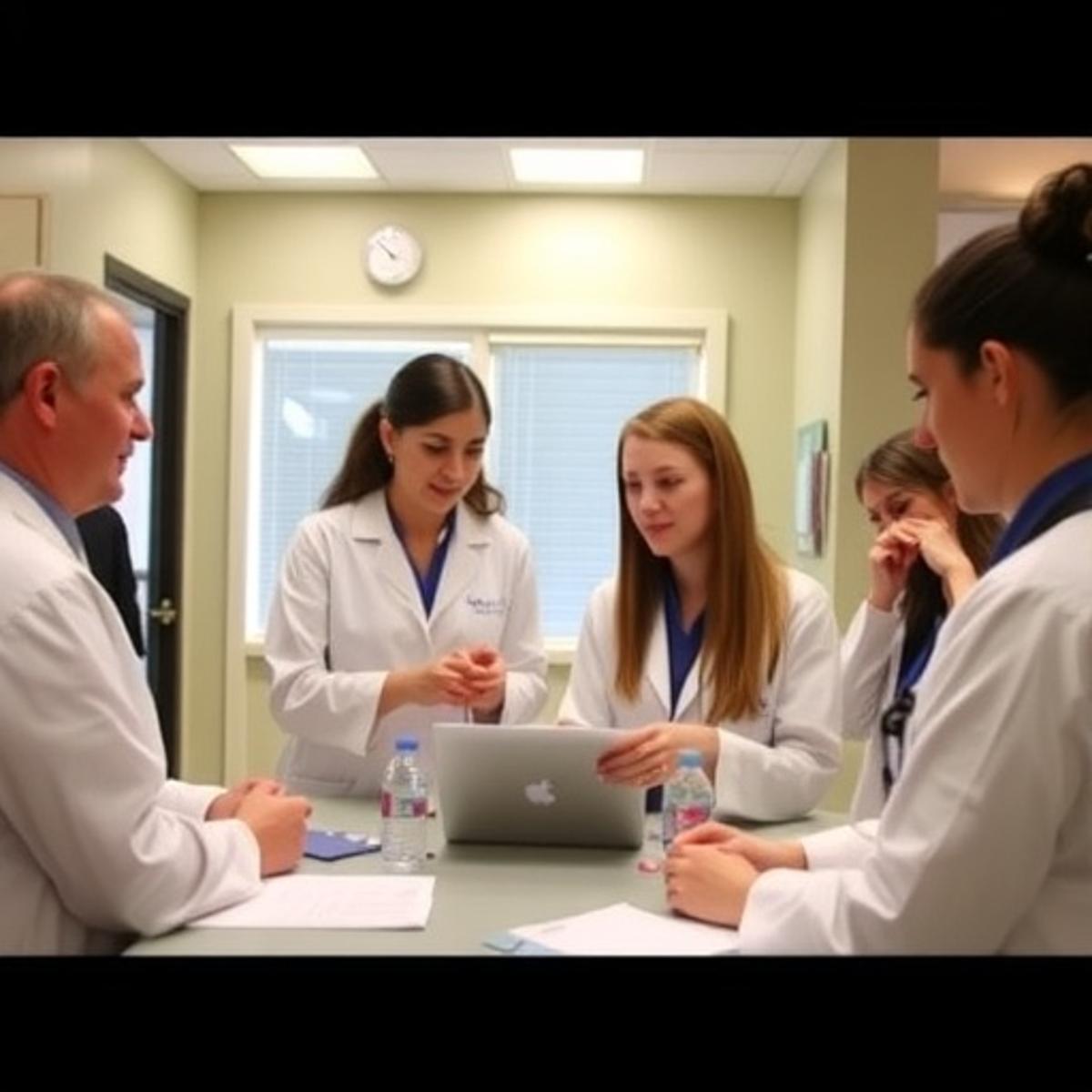
Program designers have introduced immersive simulation labs that replicate scenarios like pharmacogenomic dosing and hereditary disease counseling. Students work in multidisciplinary teams, collaborating with genetic counselors, pharmacists, and physicians. These experiences mirror real clinical environments, allowing learners to practice interpreting genetic test results, discussing risk with patients, and making evidence‑based recommendations. Early evaluation data reveal a 22 percent increase in competency assessments, indicating that experiential learning combined with leadership coaching yields measurable educational gains.
Beyond academic metrics, the initiative addresses broader workforce challenges. As hospitals adopt genomic testing, the demand for nurses who can navigate ethical considerations, data privacy, and patient education surges. Graduates emerging from this leadership‑focused program are better positioned to lead genomic initiatives, improve patient engagement, and reduce errors associated with misinterpreted genetic information. Ultimately, the model sets a benchmark for other health professions, underscoring the strategic value of leadership in advancing genetics competency across the care continuum.
Enhancing Nursing Students’ Genetics Experience Through Leadership
0
Comments
Want to join the conversation?
Loading comments...