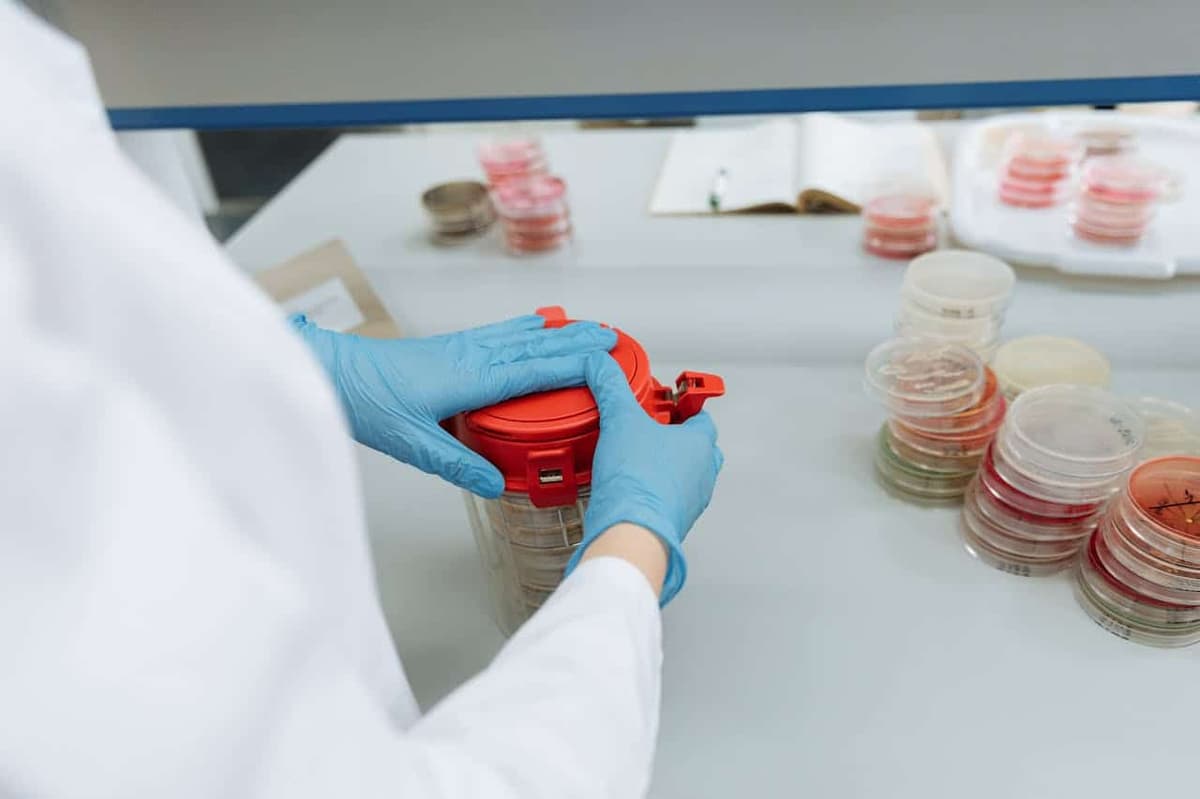
EU Opens Public Consultation on Biotech Act II, Targeting Industrial Fermentation and Biomanufacturing
Why It Matters
Clear EU rules will determine whether the continent can retain its biotech innovation edge and attract investment in high‑value, low‑carbon protein and material production. The outcome will shape market access for novel food and industrial bio‑products worldwide.
Key Takeaways
- •EU seeks to expand biotech law to industrial fermentation
- •Companies demand clear labeling and safety rules for novel proteins
- •Act II aims to harmonize EU framework against US/China competition
- •Regulatory gaps could shift biotech value creation outside Europe
- •CRISPR and cellular agriculture need explicit coverage, avoiding grey zones
Pulse Analysis
The European Union’s original Biotech Act focused primarily on health‑related applications, leaving a regulatory vacuum for the fast‑growing industrial biotech sector. By proposing Biotech Act II, policymakers aim to create a unified legal environment that can support precision fermentation, microbial protein, and other bio‑manufacturing processes that compete with fossil‑based products. This move reflects broader strategic concerns: Europe risks falling behind the United States and China, which are already investing heavily in synthetic biology and alternative‑protein pipelines.
Industry participants are using the consultation to highlight practical obstacles that could stall commercialization. The Protein Brewery and ÄIO stress that ambiguous labeling requirements—often relying on Latin nomenclature—confuse consumers and retailers, while existing novel‑food frameworks impose overly restrictive categories that hinder market entry. Companies also call for transparent sustainability metrics, traceability standards, and fair competition rules for both EU‑produced and imported bio‑ingredients. For cultivated cell‑based meat firms like Bene Meat, the lack of explicit guidance on genome‑editing tools such as CRISPR creates a regulatory grey zone that could force research and production to relocate to jurisdictions with clearer pathways.
If adopted, Biotech Act II could unlock significant investment by reducing compliance uncertainty and aligning risk‑based assessments across microbial, plant, and animal‑cell technologies. A harmonized framework would enable scale‑up of circular bio‑processes, improve price competitiveness, and reinforce Europe’s reputation as an innovation hub. Conversely, delays or watered‑down provisions may push startups to seek funding and market access elsewhere, eroding the EU’s strategic advantage in sustainable biomanufacturing. Stakeholders therefore view the June 10 consultation deadline as a pivotal moment for shaping the continent’s biotech future.
EU Opens Public Consultation on Biotech Act II, Targeting Industrial Fermentation and Biomanufacturing
Comments
Want to join the conversation?
Loading comments...