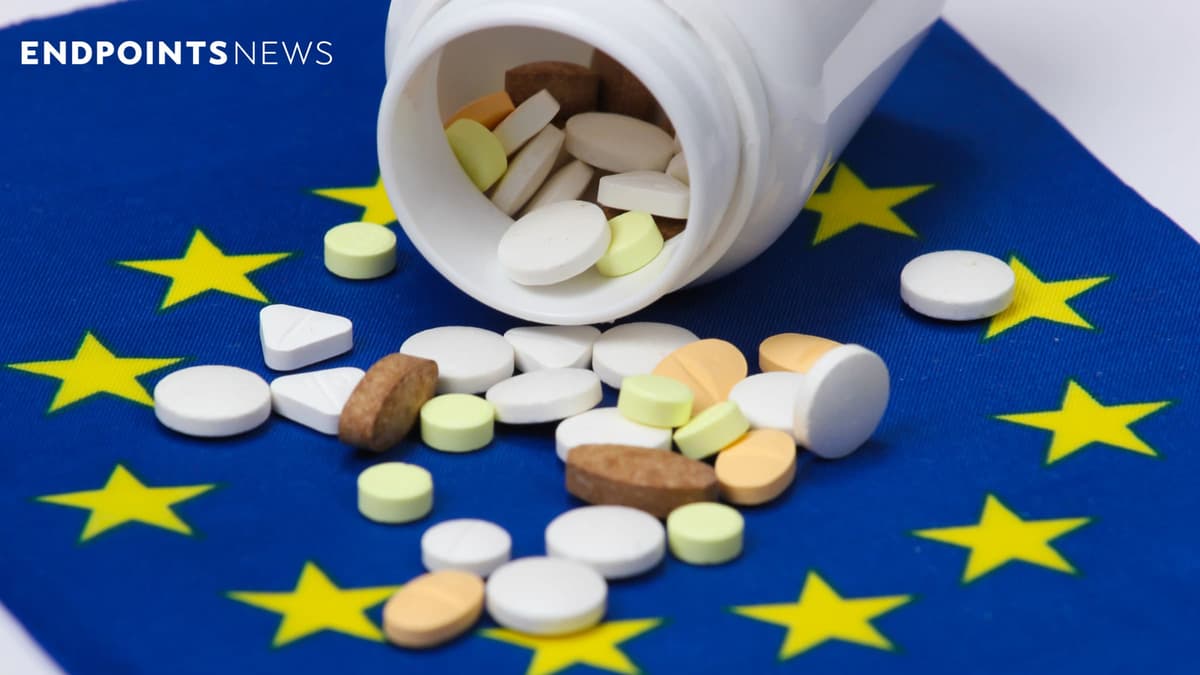
European Law Changes Mean Drugmakers May Have to Grapple with Generic Competition Sooner
•February 2, 2026
0
Why It Matters
Accelerated generic competition will pressure pharmaceutical margins and could lower drug costs for European patients, reshaping market dynamics and investment strategies.
Key Takeaways
- •Data exclusivity reduced from eight to five years.
- •Patent‑linkage system extended to biosimilars.
- •Regulators require earlier market‑access applications.
- •Potential price cuts of 15‑20% expected.
- •Companies may shift R&D to emerging markets.
Pulse Analysis
The European Union is tightening its pharmaceutical regulatory framework to curb prolonged monopolies on high‑priced medicines. Recent proposals shorten data‑exclusivity from eight to five years for small‑molecule drugs and introduce a parallel extension for biosimilars, while expanding the patent‑linkage mechanism that obliges generic applicants to notify originators earlier. By mandating earlier market‑access filings, the EU hopes to synchronize the approval pipeline, ensuring that generics and biosimilars can challenge patents sooner and increase price competition.
For drugmakers, the revised rules demand a strategic overhaul. Shorter exclusivity windows compress the revenue runway for blockbuster drugs, prompting firms to accelerate lifecycle management, explore price‑segmentation, or bundle therapies. R&D budgets may be redirected toward innovative modalities less vulnerable to generic erosion, such as gene therapies or niche orphan drugs. Additionally, companies are likely to intensify patent‑watch activities, filing defensive patents earlier to extend protection where possible, while also preparing for more frequent litigation in the pre‑launch phase.
Patients and investors stand to benefit from the heightened competition. Earlier entry of generics and biosimilars is projected to reduce treatment costs by up to 20%, improving access to essential medicines across EU member states. For the broader market, the reforms could set a precedent that other regions emulate, potentially reshaping global pricing benchmarks. Investors will monitor how major pharma firms adapt their pipelines and pricing strategies, as the regulatory shift may influence earnings forecasts and valuation models in the coming years.
European law changes mean drugmakers may have to grapple with generic competition sooner
0
Comments
Want to join the conversation?
Loading comments...