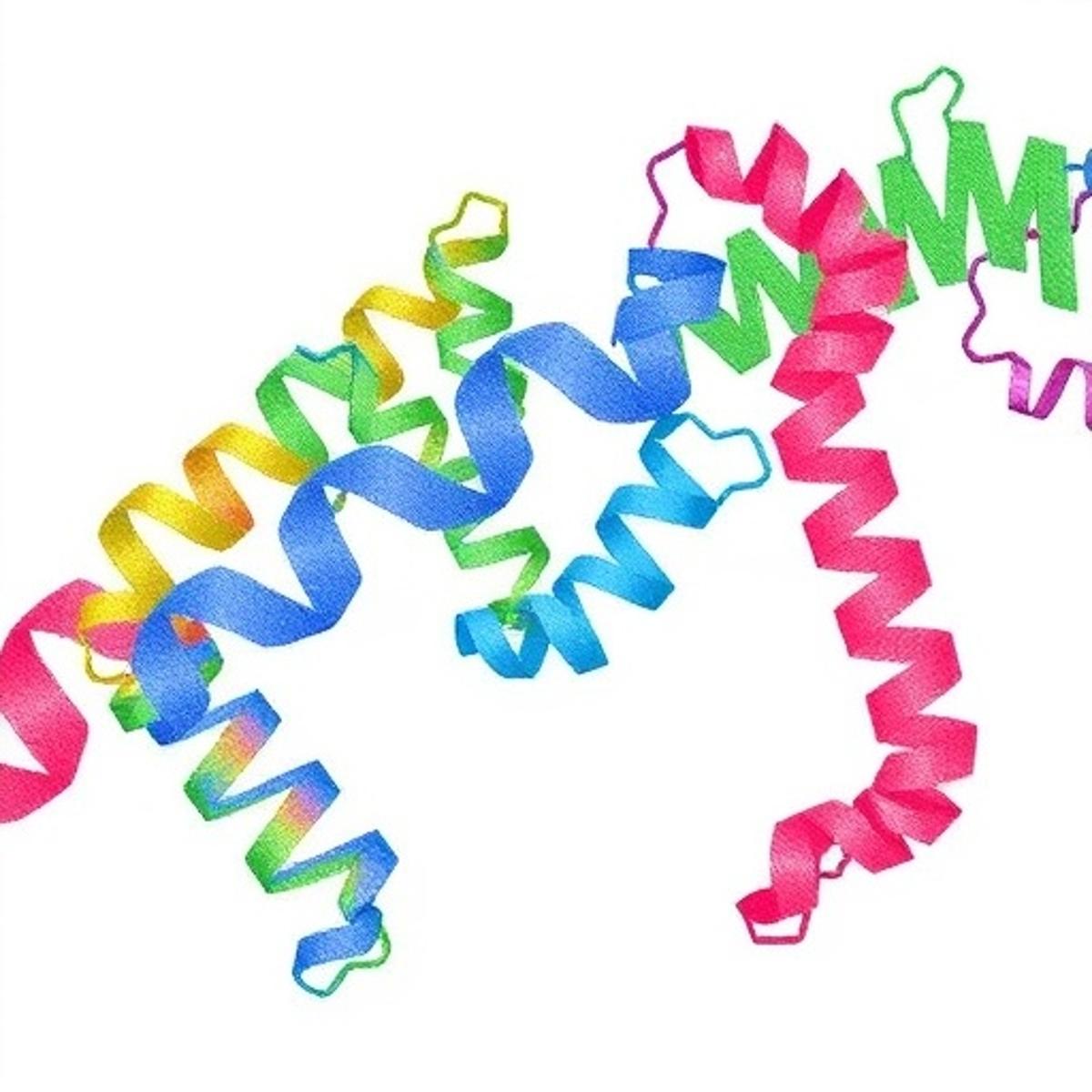
Evolving Functional Intrinsically Disordered Proteins Through Directed Evolution
•January 10, 2026
0
Why It Matters
Functional IDPs unlock new therapeutic targets and dynamic synthetic‑biology tools, accelerating innovation across pharma and biotech.
Key Takeaways
- •Directed evolution yields functional IDPs with novel activities.
- •Engineered IDPs show enhanced binding specificity.
- •Approach reduces design time compared to rational methods.
- •Potential for therapeutics targeting protein‑protein interactions.
- •Scalable platform applicable across diverse protein families.
Pulse Analysis
Intrinsically disordered proteins (IDPs) lack fixed three‑dimensional structures, making them attractive yet elusive targets for synthetic biology. Traditional rational design struggles to predict functional motifs within these flexible chains, limiting their commercial exploitation. Recent advances in directed evolution—iterative mutagenesis coupled with high‑throughput screening—offer a pragmatic route to sculpt IDP behavior without detailed structural models. By treating the protein sequence as a searchable landscape, researchers can harness natural selection principles to uncover variants that perform specific biochemical tasks, opening new avenues for bio‑engineering. These engineered IDPs can be integrated into cellular circuits to modulate signaling pathways.
In the latest study, a library of 10⁶ random IDP variants was screened against a fluorescent reporter that signals binding to a target kinase domain. After three rounds of selection, the team isolated three lead sequences that increased reporter intensity by 12‑fold, while maintaining solubility and low aggregation propensity. Structural analyses revealed that the evolved proteins adopted transient helices at key interaction hotspots, a feature absent in the parental disordered ensemble. Kinetic assays confirmed nanomolar affinity, rivaling engineered globular binders, and demonstrated functional rescue in cellular assays. The workflow required less than six weeks from library construction to functional validation.
The ability to evolve functional IDPs rapidly reshapes several biotech sectors. Pharmaceutical pipelines can now target traditionally “undruggable” protein‑protein interfaces by deploying engineered disordered binders, potentially accelerating first‑in‑class therapeutics. Meanwhile, synthetic biologists gain a versatile toolkit for building dynamic sensors and scaffolds that respond to cellular cues without the constraints of rigid protein frameworks. As high‑throughput screening platforms become more affordable, the directed‑evolution model is poised to become a standard component of protein‑design workflows, driving innovation across diagnostics, therapeutics, and industrial biocatalysis. Early adopters report reduced development cycles and lower attrition rates.
Evolving Functional Intrinsically Disordered Proteins Through Directed Evolution
0
Comments
Want to join the conversation?
Loading comments...