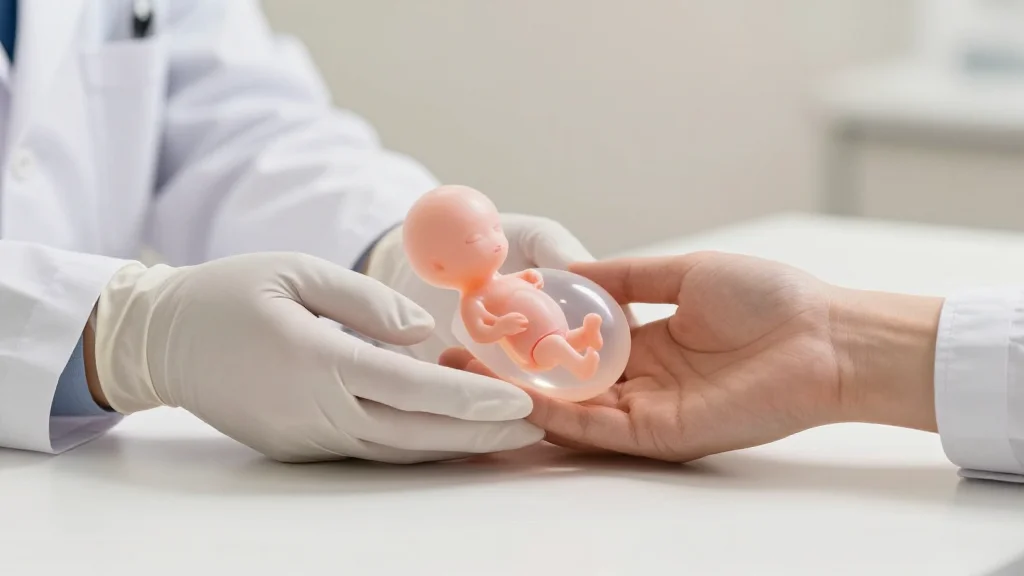
Examining Embryo Model Ethics Beyond Box-Checking
Why It Matters
Embedding ethics directly into hSCBEM research balances breakthrough biomedical potential with societal expectations, shaping future regulation and funding decisions.
Key Takeaways
- •hSCBEMs mimic early human embryos, accelerating developmental research
- •Traditional ethics reviews lag behind rapid advances in embryo modeling
- •Proposed framework embeds ethicists, policymakers, and public in research cycles
- •Continuous dialogue aims to preempt societal concerns and regulatory delays
- •Aligns with ISSCR guidelines for iterative oversight of stem‑cell studies
Pulse Analysis
The emergence of human stem‑cell‑based embryo models has opened a new frontier for studying the first weeks of human development without using actual embryos. These models, derived from pluripotent stem cells, can replicate key structures of the embryonic trunk and are rapidly gaining complexity. Their scientific promise—ranging from congenital disease modeling to drug screening—has outstripped the capacity of conventional ethics committees, which were designed for slower‑moving, well‑defined studies. As a result, researchers face a regulatory gray zone where innovation can be stifled or public confidence eroded.
To address this gap, an international team led by the Engineered Living Materials consortium introduced an embedded ethics framework that weaves ethical assessment into every stage of hSCBEM projects. Rather than a one‑off review, the approach mandates ongoing conversations among scientists, ethicists, legal experts, and lay stakeholders, mirroring the iterative oversight models now common in artificial‑intelligence governance. This continuous engagement helps researchers anticipate downstream societal implications, refine experimental design in real time, and provide policymakers with a nuanced understanding of the technology’s benefits and risks.
The broader impact of this framework could reshape how emerging biotechnologies are regulated worldwide. By operationalizing the iterative recommendations of the International Society for Stem Cell Research, the model offers a scalable template for other high‑stakes fields such as gene editing and synthetic biology. Early adoption may foster greater public trust, accelerate funding pipelines, and prevent reactionary legislation driven by speculation. Ultimately, embedding ethics promises a more resilient research ecosystem where scientific progress and societal values advance hand in hand.
Examining embryo model ethics beyond box-checking
Comments
Want to join the conversation?
Loading comments...