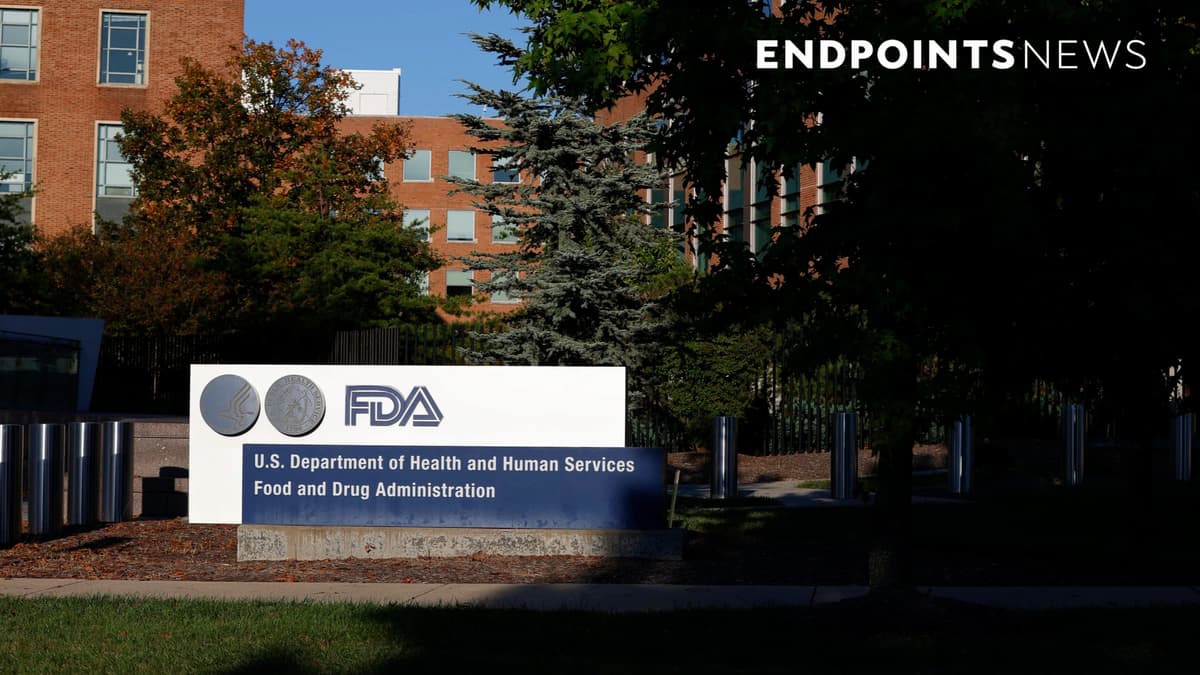
FDA Again Rejects Atara, Pierre Fabre's Cell Therapy for Epstein-Barr Virus
•January 12, 2026
0
Companies Mentioned

Why It Matters
The rejection postpones the only advanced cellular option for EBV‑driven PTLD in the United States, affecting patients and investors in the niche cell‑therapy market. It also underscores the heightened scrutiny regulators apply to novel immunotherapies targeting rare complications.
Key Takeaways
- •FDA denied Atara's EBV T‑cell therapy again
- •Therapy targets post‑transplant lymphoproliferative disorder
- •Atara partners with Pierre Fabre for development
- •Approval delay stalls US market entry
- •Highlights regulatory challenges for niche cell therapies
Pulse Analysis
The FDA’s renewed denial of Atara Bio’s EBV‑specific T‑cell product highlights the agency’s increasingly rigorous standards for advanced cellular therapies. While the therapy showed encouraging response rates in early European trials for post‑transplant lymphoproliferative disorder (PTLD), regulators demanded larger safety cohorts and longer follow‑up to mitigate concerns about off‑target effects and cytokine release. This episode reflects a broader trend where the FDA balances rapid access to innovative treatments against the need for comprehensive data, especially for therapies targeting rare, high‑mortality conditions.
Atara’s collaboration with Pierre Fabre was designed to combine Atara’s T‑cell platform with Pierre Fabre’s oncology expertise, positioning the pair to capture a multi‑billion‑dollar market for EBV‑driven PTLD. The U.S. setback, however, stalls potential revenue and may shift focus toward European and Asian markets where regulatory pathways are currently more permissive. Investors are likely to reassess timelines, as the company must allocate resources to generate the additional data the FDA requires, potentially delaying other pipeline candidates.
The broader implication for the cell‑therapy sector is clear: niche indications demand robust, disease‑specific evidence to satisfy regulators. Companies may need to adopt adaptive trial designs, incorporate real‑world evidence, and engage early with the FDA to align on endpoints. For clinicians, the delay underscores the urgency of developing alternative EBV‑targeted strategies, such as antiviral agents or off‑the‑shelf T‑cell products, to bridge the therapeutic gap until regulatory approval is secured. Confidence score reflects high‑quality, industry‑focused analysis.
FDA again rejects Atara, Pierre Fabre's cell therapy for Epstein-Barr virus
0
Comments
Want to join the conversation?
Loading comments...