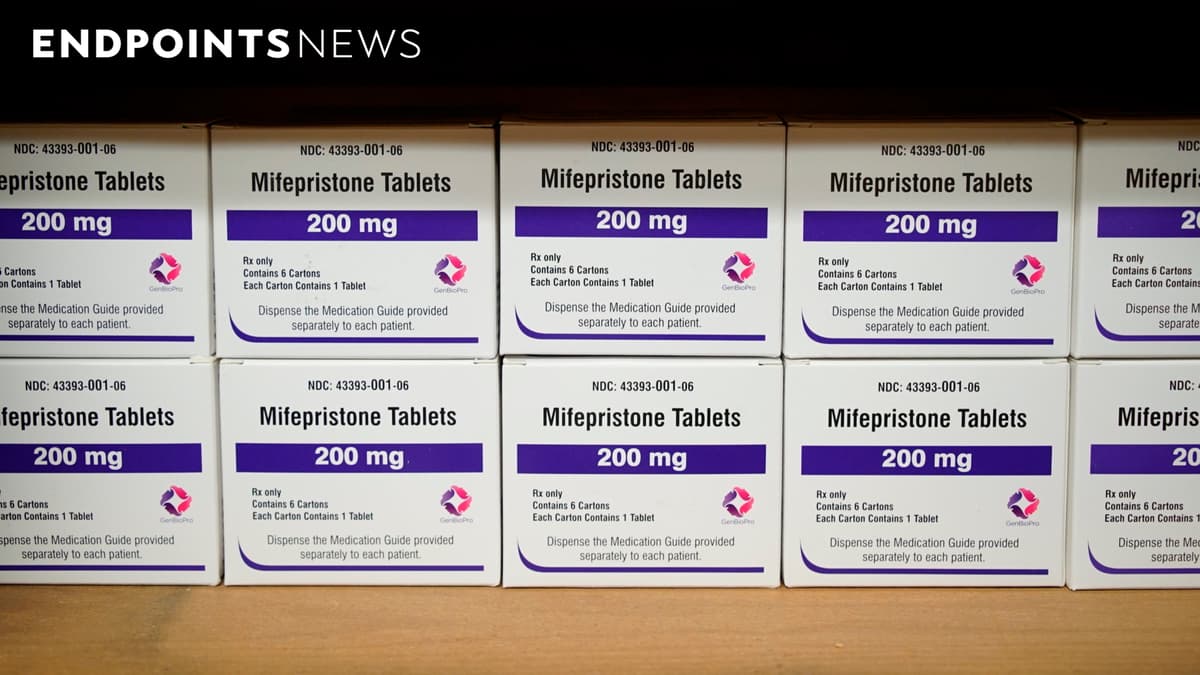
FDA Asks Court to Pause Louisiana's Abortion Pill Fight
•January 28, 2026
0
Why It Matters
A court‑ordered pause could preserve nationwide access to mifepristone during the FDA’s review, limiting state‑level restrictions and shaping future abortion‑pill policy.
Key Takeaways
- •DOJ seeks injunction against Louisiana’s mifepristone lawsuit.
- •FDA currently reviewing mifepristone’s safety and efficacy.
- •Pause would maintain current drug availability nationwide.
- •Case reflects broader federal‑state reproductive health conflict.
- •Outcome may influence future abortion‑pill regulations.
Pulse Analysis
The FDA’s ongoing review of mifepristone, a medication used for medical abortions, has reignited a legal tug‑of‑war between federal regulators and state governments. Since its 2000 approval, the drug has faced periodic challenges over safety data and prescribing restrictions. Recent scientific studies and international usage patterns have prompted the agency to re‑evaluate its risk‑benefit profile, a process that typically involves advisory committee input, public comment periods, and rigorous data analysis. This review occurs against a backdrop of heightened political scrutiny of reproductive health products, making the agency’s findings pivotal for both clinicians and patients.
In Louisiana, a state‑led lawsuit argues that the FDA’s original approval was flawed and seeks to limit the drug’s distribution within the state. The Trump administration, through the Department of Justice, has asked the court to pause the case while the FDA completes its review, contending that litigation could disrupt a nationwide supply chain and undermine the agency’s authority. A court‑ordered stay would effectively freeze any state‑level injunctions, preserving existing access for patients and pharmacies pending the final regulatory decision. Legal experts note that such a pause is rare but underscores the administration’s commitment to maintaining federal oversight over drug approvals.
The broader implications extend beyond a single medication. A decision to halt the Louisiana case could set a precedent for how courts handle state challenges to FDA approvals during active reviews, influencing future disputes over vaccines, opioids, and other contentious drugs. For pharmaceutical companies, regulatory certainty is crucial for market planning and investment; any perception of judicial interference can affect stock valuations and R&D pipelines. Moreover, the outcome will signal to state legislatures the limits of their power to impose additional restrictions on federally approved therapies, shaping the national landscape of reproductive health policy for years to come.
FDA asks court to pause Louisiana's abortion pill fight
0
Comments
Want to join the conversation?
Loading comments...