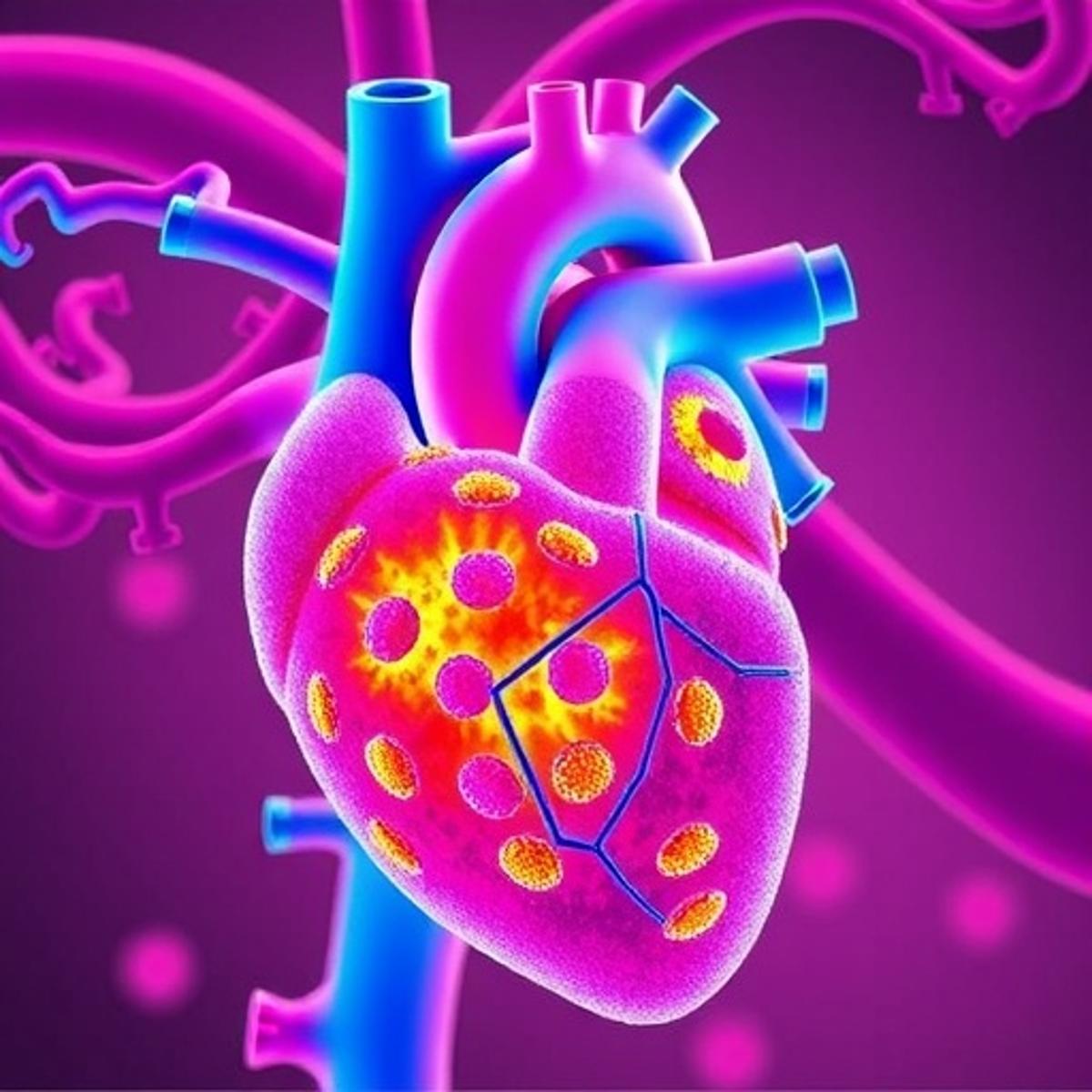
Fibroblast Activation in Failing Hearts: Location Matters
•January 18, 2026
0
Why It Matters
Targeted anti‑fibrotic therapies that account for fibroblast location may improve outcomes for heart‑failure patients, reducing mortality and healthcare costs.
Key Takeaways
- •Epicardial fibroblasts drive scar‑related fibrosis
- •Remote fibroblasts stay largely inactive
- •Mechanical stress dictates activation patterns
- •Spatial transcriptomics maps regional gene expression
- •Location‑specific drugs could enhance heart‑failure treatment
Pulse Analysis
The heart’s extracellular matrix is constantly remodeled by fibroblasts, but recent spatial‑omics work shows that not all fibroblasts behave alike during failure. By dissecting tissue slices from murine and human hearts, scientists identified two dominant activation zones: the peri‑infarct epicardium, where fibroblasts up‑regulate collagen‑I, TGF‑β, and periostin, and the distal myocardium, where cells retain a quiescent phenotype. This dichotomy mirrors localized mechanical strain and inflammatory cytokine gradients, indicating that the micro‑environment, rather than a uniform disease signal, drives pathogenic remodeling.
Understanding these spatial cues opens new therapeutic avenues. Conventional anti‑fibrotic drugs, such as pirfenidone, act systemically and may blunt beneficial fibroblast functions in healthy regions. The study proposes region‑targeted delivery—using nanoparticles or hydrogel patches—to suppress profibrotic signaling only where it is pathological. Early‑phase trials employing localized gene‑silencing of CTGF in the epicardial zone have shown reduced scar thickness without compromising overall cardiac compliance, hinting at a precision‑medicine paradigm for heart failure.
For investors and biotech firms, the implications are clear: drug pipelines that incorporate spatial biology data can differentiate themselves in a crowded market. Regulatory agencies are increasingly favoring therapies that demonstrate tissue‑specific efficacy and safety. Companies that develop imaging‑guided delivery platforms or biomarkers that map fibroblast activation in vivo will likely capture premium valuation, as clinicians seek tools that mitigate remodeling while preserving essential repair mechanisms. In short, location matters—not just for fibroblasts, but for the future of cardiovascular innovation.
Fibroblast Activation in Failing Hearts: Location Matters
0
Comments
Want to join the conversation?
Loading comments...