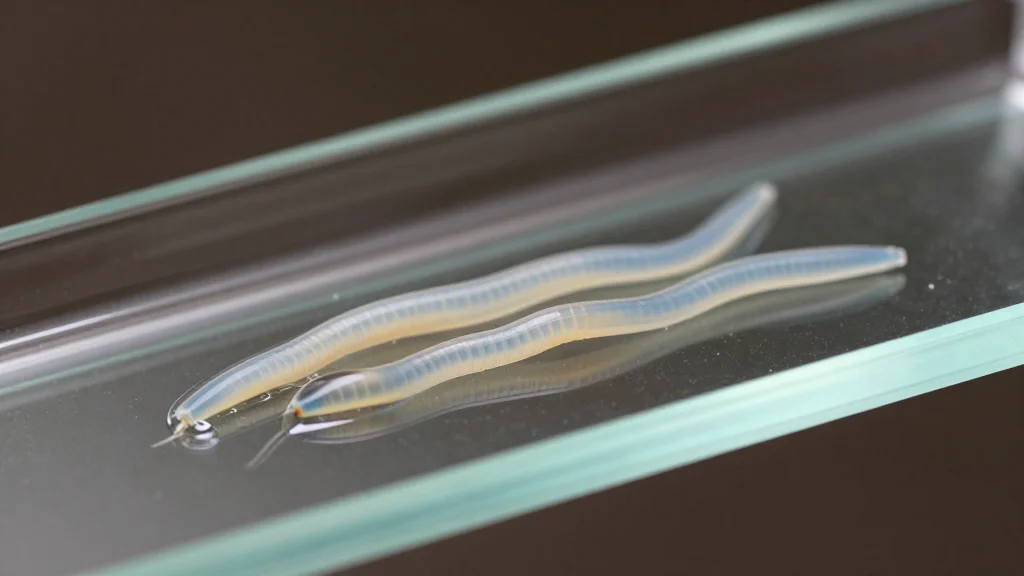
Field-Ready Tool Identifies Rare and Zoonotic Parasitic Worms Missed by Standard Tests
Companies Mentioned
Why It Matters
Accurate, on‑site nematode detection enables precise treatment, curbs drug resistance, and reduces zoonotic spillover, delivering health and economic gains for both people and livestock.
Key Takeaways
- •Nanopore metabarcoding identifies all nematode species in a single stool sample
- •Test uncovered rare and zoonotic worms missed by microscopy and PCR
- •Over 50% of human samples contained zoonotic species linked to dogs
- •Australian sheep industry loses >$436 million annually to Barber’s pole worm
- •Portable platform supports One Health surveillance in low‑resource regions
Pulse Analysis
Parasitic nematodes afflict roughly 1.5 billion people worldwide, driving chronic malnutrition, stunted growth, and costly mass‑drug‑administration campaigns. Traditional diagnostics—microscopy and targeted PCR—struggle with low sensitivity and cannot differentiate morphologically identical species, leaving a hidden diversity of worms uncharacterized. This diagnostic blind spot hampers epidemiological mapping and impedes the design of effective control strategies, especially in regions where neglected tropical diseases thrive.
The new assay leverages Oxford Nanopore's portable sequencer to perform long‑read metabarcoding of ribosomal DNA markers directly from stool. In head‑to‑head trials, the test matched the gold‑standard's sensitivity while uncovering rare and previously undetected species, including zoonotic nematodes present in more than half of the human cohorts studied. By simultaneously profiling up to ten co‑infecting species per sample, the platform offers a comprehensive snapshot of worm communities, informing clinicians which anti‑helminthic drugs will be most effective.
Beyond clinical care, the technology reshapes public‑health policy and livestock economics. In Australia, Barber’s pole worm alone costs the sheep sector over $436 million annually; early, accurate detection could slash those losses by guiding targeted anthelmintic use. The assay’s field‑ready design aligns with One Health objectives, allowing veterinarians, human health workers, and environmental agencies to share data in real time. As low‑resource regions adopt the portable workflow, we can expect more precise deworming programs, reduced drug resistance, and a clearer picture of zoonotic transmission pathways.
Field-ready tool identifies rare and zoonotic parasitic worms missed by standard tests
Comments
Want to join the conversation?
Loading comments...