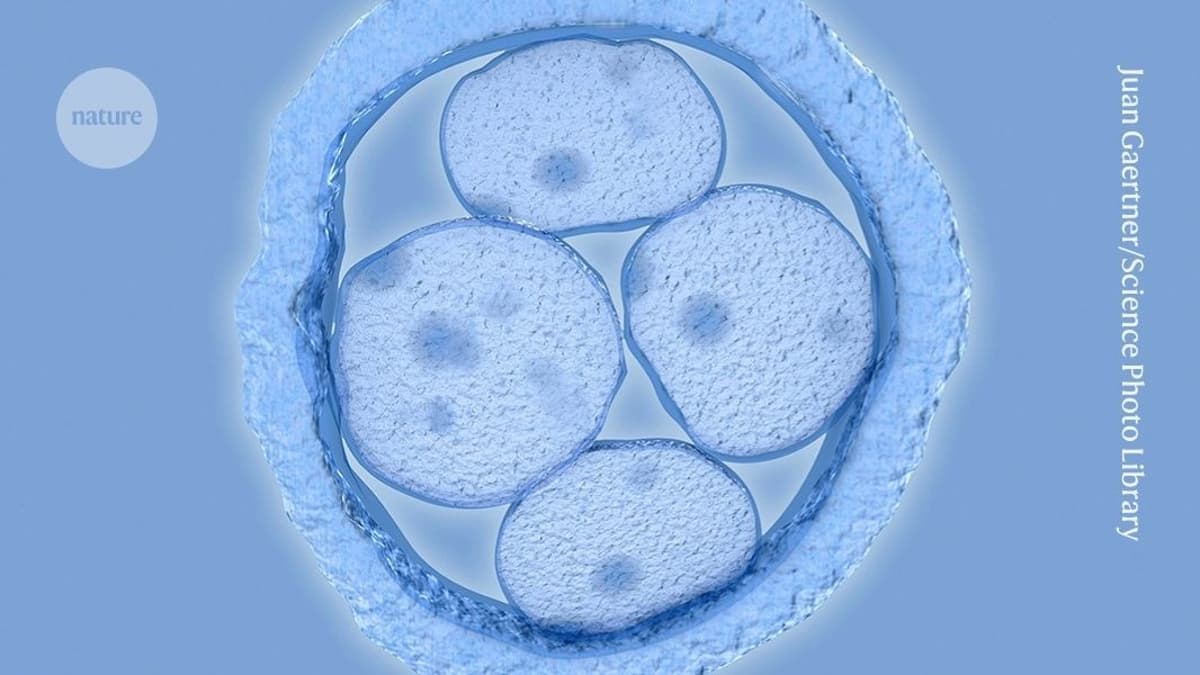
First Precise Genome Editing of Human Embryos Triggers Praise and Alarm
Companies Mentioned
Why It Matters
The work shows a viable path toward correcting disease‑causing mutations before birth, but also raises urgent bioethical questions about accessibility, safety, and the prospect of non‑therapeutic embryo enhancement.
Key Takeaways
- •First use of base editing in four‑cell human embryos
- •Targeted PCSK9, HBG1, and HBG2 to mimic protective mutations
- •Mosaicism observed; not all cells received the edit
- •Researchers warn clinical use remains unsafe due to embryo toxicity
- •Ethicists fear affordable labs could enable unregulated ‘designer‑baby’ services
Pulse Analysis
Base editing represents the second generation of genome‑editing tools, allowing scientists to swap a single DNA letter without cutting both strands. Unlike the earlier CRISPR‑Cas9 approach, which often creates double‑strand breaks and unintended mutations, base editors act like molecular scalpel‑tips, offering higher precision. This technical refinement has been a long‑standing goal for reproductive genetics, as it promises to correct pathogenic variants while minimizing collateral damage, a prerequisite for any future clinical application in embryos.
The Columbia team’s preprint details how they introduced an A‑to‑G conversion in three genes. Disabling PCSK9 mirrors naturally occurring loss‑of‑function alleles that lower LDL cholesterol and reduce heart‑disease risk, while edits in HBG1 and HBG2 recreate fetal‑hemoglobin variants that can alleviate sickle‑cell disease and thalassemia. However, the experiments produced mosaic embryos—some cells carried the edit, others did not—and high concentrations of the editor’s mRNA halted cell division. These findings highlight that, despite the precision gain, delivery efficiency and off‑target toxicity remain critical hurdles before any therapeutic rollout.
Beyond the lab, the announcement has reignited a heated debate among bioethicists and policymakers. Critics warn that the relatively low cost of setting up an IVF and genetic‑testing suite—estimated at a few million dollars (≈$3 million)—could enable wealthy individuals to pursue non‑therapeutic enhancements, from intelligence to physical traits. The scientific community therefore faces a dual challenge: advancing safety data to satisfy regulators while establishing robust ethical frameworks that prevent a slippery slope toward commercialized "designer babies."
First precise genome editing of human embryos triggers praise and alarm
Comments
Want to join the conversation?
Loading comments...