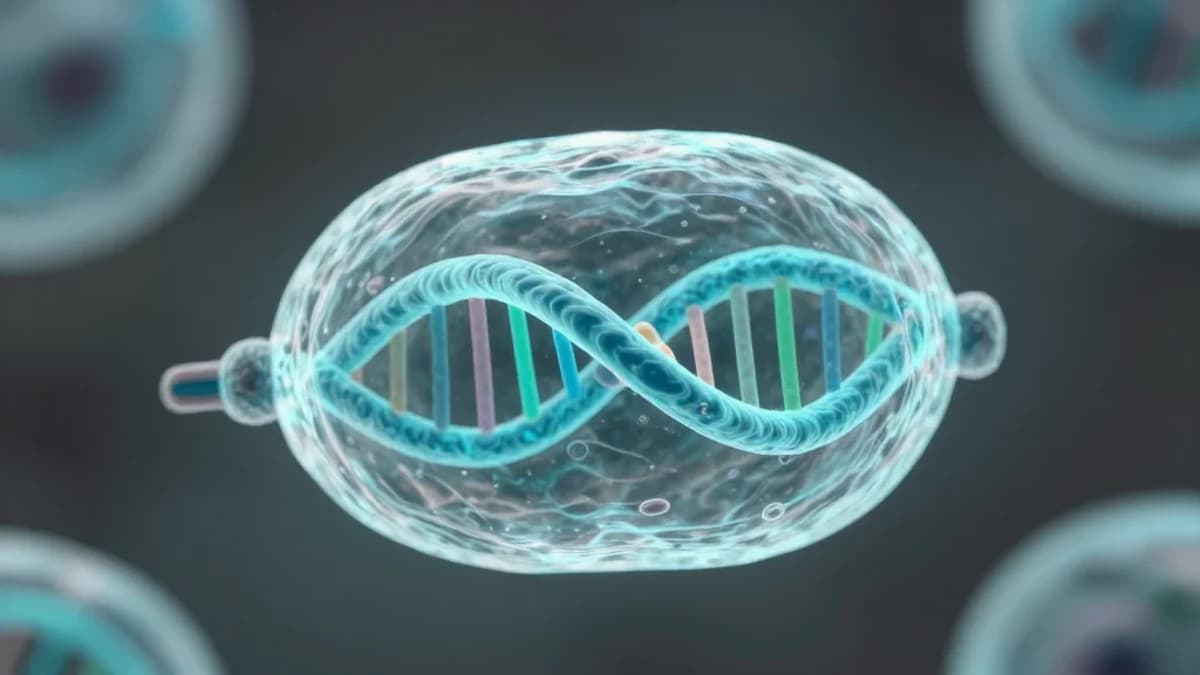
First-Time Use of AI for Genetic Circuit Design Demonstrated in a Human Cell Line
•January 14, 2026
0
Why It Matters
AI‑enabled circuit design compresses years of trial‑and‑error into weeks, unlocking scalable, data‑driven synthetic biology for next‑generation medicines.
Key Takeaways
- •AI designs genetic circuits at million‑scale libraries
- •Long‑ and short‑read sequencing fuels training data
- •Medium‑strength promoters outperform extremes
- •Multiple circuit solutions achieve same phenotype
- •Platform accelerates cell‑based therapy development
Pulse Analysis
The CLASSIC platform marks a paradigm shift in synthetic biology by marrying high‑throughput DNA assembly with dual‑mode sequencing. Researchers generated libraries containing hundreds of thousands to millions of distinct genetic circuits, each fully sequenced via long‑read technology and uniquely barcoded for short‑read quantification. This unprecedented data volume supplies the statistical richness required for modern machine‑learning algorithms, enabling the first AI models that can predict circuit performance without direct experimental measurement. By automating the design‑build‑test‑learn cycle, CLASSIC reduces the time and cost traditionally associated with iterative genetic engineering.
Beyond the technical novelty, the breakthrough has immediate implications for therapeutic development. Human embryonic kidney cells served as a testbed, demonstrating that engineered circuits can function reliably in a mammalian context—a critical step toward cell‑based drugs such as CAR‑T therapies and programmable tissue grafts. The AI models outperformed legacy physics‑based simulations, accurately identifying medium‑strength promoters and transcription factors as optimal components, a finding that mirrors the “Goldilocks” principle in biology. This predictive power promises faster optimization of therapeutic payloads, tighter control over gene expression, and reduced reliance on costly wet‑lab screening.
Looking ahead, the integration of AI with synthetic biology is poised to become a cornerstone of biotech innovation. As more laboratories adopt CLASSIC‑style pipelines, the collective dataset will expand, allowing increasingly sophisticated deep‑learning architectures to tackle complex multi‑gene networks and dynamic cellular behaviors. Industry players can leverage this capability to accelerate product pipelines, while regulators will need to adapt frameworks for AI‑generated biological designs. Collaborative efforts across computational, physics, and biological disciplines—exemplified by the Rice team’s partnerships—will be essential to translate these advances into safe, effective clinical solutions.
First-time use of AI for genetic circuit design demonstrated in a human cell line
0
Comments
Want to join the conversation?
Loading comments...