From Colossal to Chickens: The Scientists Behind Neion Bio’s Biologics Platform
Why It Matters
If egg‑based biologics can achieve reliable, cost‑effective scale, they could disrupt the entrenched CHO cell market and lower drug prices for patients. Success would also broaden the biomanufacturing toolkit beyond cell culture, adding a sustainable, protein‑rich platform.
Key Takeaways
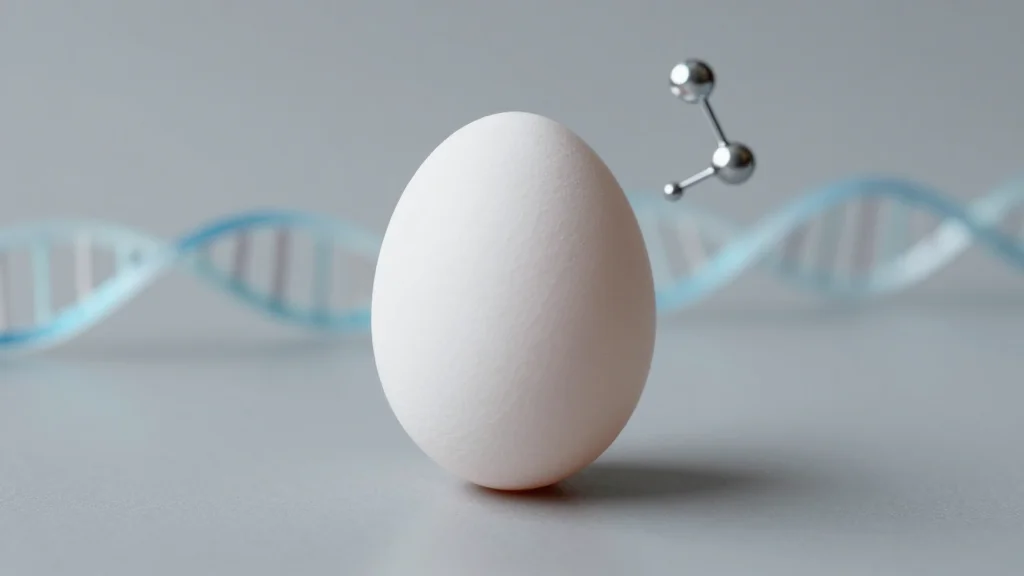
- •Neion Bio engineers chickens to produce therapeutic proteins in eggs
- •Uses CRISPR to insert drugs into ovalbumin gene, leveraging egg white abundance
- •Aims to replace CHO cell platforms, promising lower purification costs
- •Scale, variability, and regulatory hurdles remain key challenges
Pulse Analysis
The promise of chicken‑derived biologics rests on a simple premise: eggs are a natural protein‑rich bioreactor. By editing the ovalbumin gene, Neion Bio can embed therapeutic molecules directly into the egg white, a medium that already supports large‑scale vaccine production under strict specific‑pathogen‑free conditions. This approach sidesteps the dense host‑cell protein background of Chinese hamster ovary (CHO) cultures, potentially reducing downstream purification steps and lowering manufacturing costs. For biopharma companies seeking cheaper, more sustainable production, the egg platform offers an attractive alternative that leverages decades of poultry industry expertise.
Scalability, however, remains the critical test. While vaccine manufacturers can produce millions of eggs annually, biologic drugs demand tighter consistency, precise dosage control, and rigorous GMP containment. Variability between flocks, seasonal egg output, and avian disease risks such as bird flu introduce supply‑chain uncertainties that cell‑based fermenters avoid. Moreover, regulatory pathways for animal‑derived therapeutics are less established, requiring extensive safety data to address concerns about residual animal proteins and potential immunogenicity. These factors could lengthen development timelines and increase upfront investment.
If Neion Bio can demonstrate reliable, high‑purity protein yields at commercial scale, the impact could be transformative. A successful egg‑based platform would diversify the biomanufacturing landscape, offering a lower‑footprint, water‑efficient alternative to traditional bioreactors. It could also accelerate access to orphan drugs and enzyme replacement therapies, where cost barriers are especially acute. Nonetheless, investors and partners must weigh the scientific upside against the operational challenges of scaling a living, breathing production system. The next few years will reveal whether chicken‑derived biologics move from proof‑of‑concept to a mainstream manufacturing option.
From Colossal to Chickens: The Scientists Behind Neion Bio’s Biologics Platform
Comments
Want to join the conversation?
Loading comments...