Glucose Monitoring with Novel Reusable Sensor
•January 28, 2026
0
Companies Mentioned

Why It Matters
By simplifying glucose control, the GlucoSense sensor reduces operational downtime and skill barriers, delivering cost‑effective, reliable monitoring for biotech manufacturers.
Key Takeaways
- •First reusable inline glucose sensor from Hamilton
- •Infrared spectrometry eliminates external spectrometer
- •No calibration required; ready day one
- •Direct transmitter connection reduces cable interference
- •Targets single‑parameter control, not multi‑parameter analysis
Pulse Analysis
Glucose concentration is a critical driver of cell‑culture performance, yet traditional monitoring relies on bulky spectrometers or multi‑parameter analyzers such as the Nova BioProfile® FLEX2. These systems demand specialized training, extensive calibration, and often involve offline sampling that interrupts production. The resulting lag in data can compromise product yield and increase operational costs, prompting manufacturers to seek more streamlined solutions.
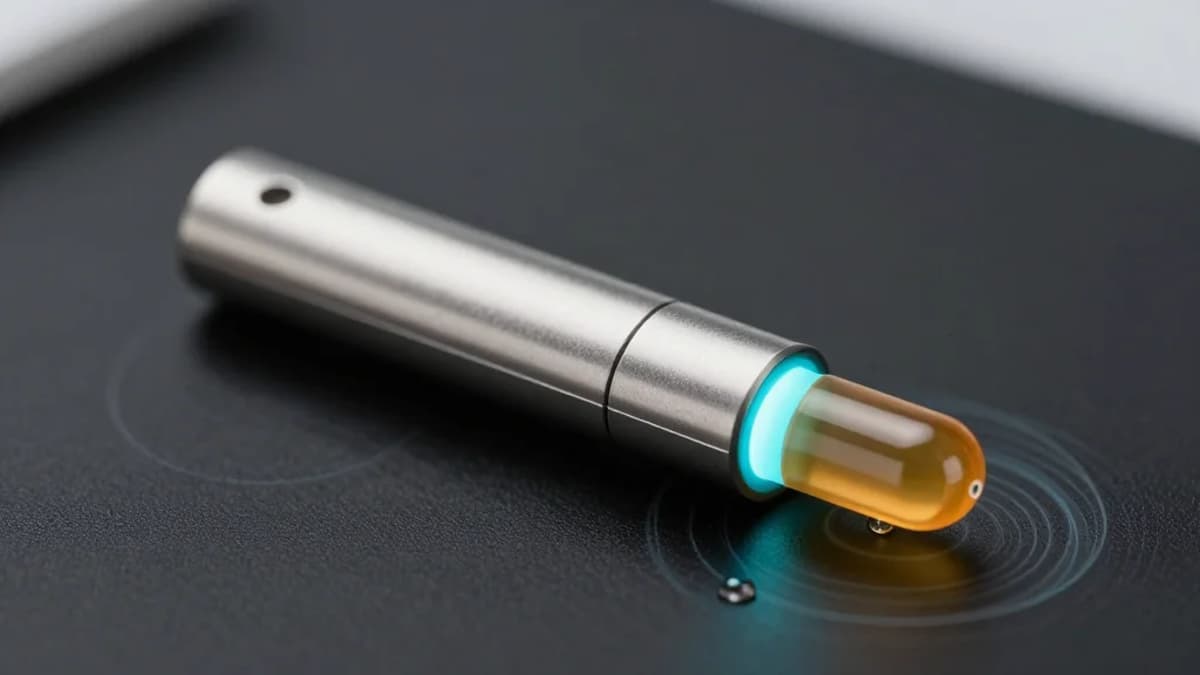
Hamilton’s GlucoSense sensor tackles these pain points with an infrared‑based optical probe that plugs directly into a dedicated transmitter. By embedding the spectrometer within the probe, the device removes the need for separate hardware and the months‑long calibration routines typical of legacy equipment. Its reusable design and plug‑and‑play interface mean that staff accustomed to simple pH probes can implement glucose monitoring from day one, while the robust, cable‑free connection minimizes signal interference and mechanical failure.
The market impact extends beyond convenience. Faster, on‑line glucose data enables tighter process control, reducing batch variability and accelerating scale‑up timelines. Although GlucoSense focuses on a single analyte, its low‑cost, low‑maintenance profile makes it attractive for facilities prioritizing specific glucose‑driven pathways or those looking to augment existing multi‑parameter platforms. As bioprocessing moves toward modular, data‑rich operations, sensors like GlucoSense are poised to become integral components of the next generation of digital manufacturing ecosystems.
Glucose Monitoring with Novel Reusable Sensor
0
Comments
Want to join the conversation?
Loading comments...