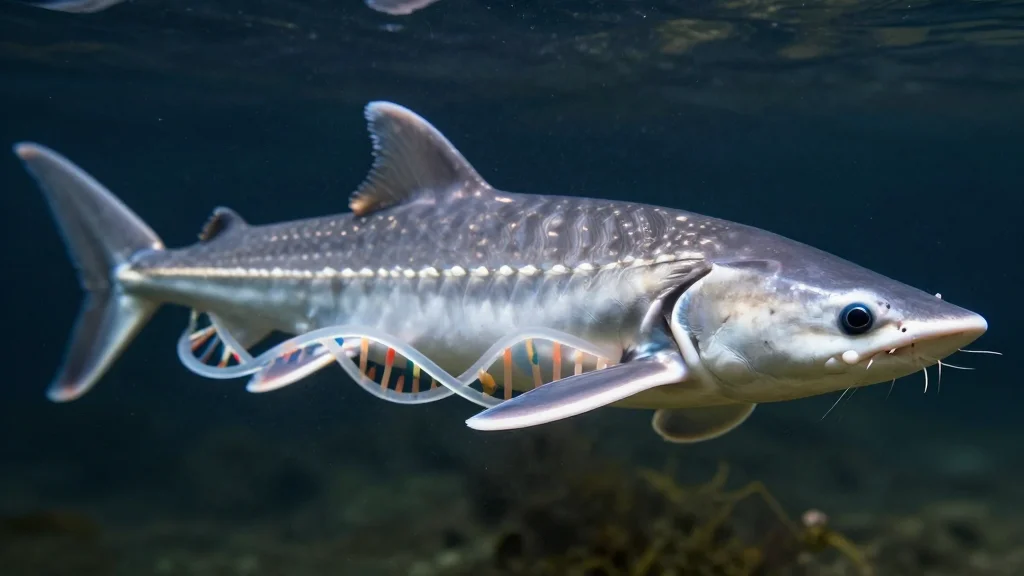
Gonadal Transcriptome Revealed in Siberian Sturgeon Development
Why It Matters
Understanding the sturgeon’s reproductive genetics enables more efficient breeding, reducing reliance on wild stocks and supporting sustainable caviar production.
Key Takeaways
- •Stage‑specific genes drive sturgeon sex differentiation
- •Novel transcripts linked to hormone pathways discovered
- •Data supports selective breeding for faster maturation
- •Molecular insights aid conservation of endangered sturgeon
Pulse Analysis
The Siberian sturgeon (Acipenser baerii) has long been a cornerstone of high‑value aquaculture, yet its reproductive biology remains poorly understood at the molecular level. By applying next‑generation RNA‑seq across embryonic, juvenile, and mature gonadal stages, scientists generated the most comprehensive transcriptomic atlas for this species to date. This resource uncovers thousands of differentially expressed genes, including previously uncharacterized long non‑coding RNAs that appear to orchestrate the switch from undifferentiated gonads to functional testes or ovaries. Such granular insight bridges a critical knowledge gap, allowing researchers to pinpoint genetic markers associated with early sex determination and gamete quality.
From a commercial perspective, the ability to predict and manipulate sex ratios could dramatically improve caviar yields, as females produce the prized roe. The identified biomarkers enable hatcheries to implement marker‑assisted selection, accelerating growth cycles and reducing the time to market. Moreover, the transcriptome reveals targets for hormonal or dietary interventions that may induce earlier maturation, addressing one of the industry's most costly bottlenecks. By integrating these findings into breeding programs, producers can achieve higher productivity while maintaining genetic diversity.
Beyond aquaculture, the study holds conservation implications for wild sturgeon populations facing overfishing and habitat loss. Genetic tools derived from the transcriptome can monitor population health, detect hybridization events, and guide restocking initiatives with genetically compatible individuals. As global demand for sustainable seafood rises, such molecular resources become essential for balancing economic interests with ecological stewardship, positioning the Siberian sturgeon as a model for genomics‑driven fisheries management.
Gonadal Transcriptome Revealed in Siberian Sturgeon Development
Comments
Want to join the conversation?
Loading comments...