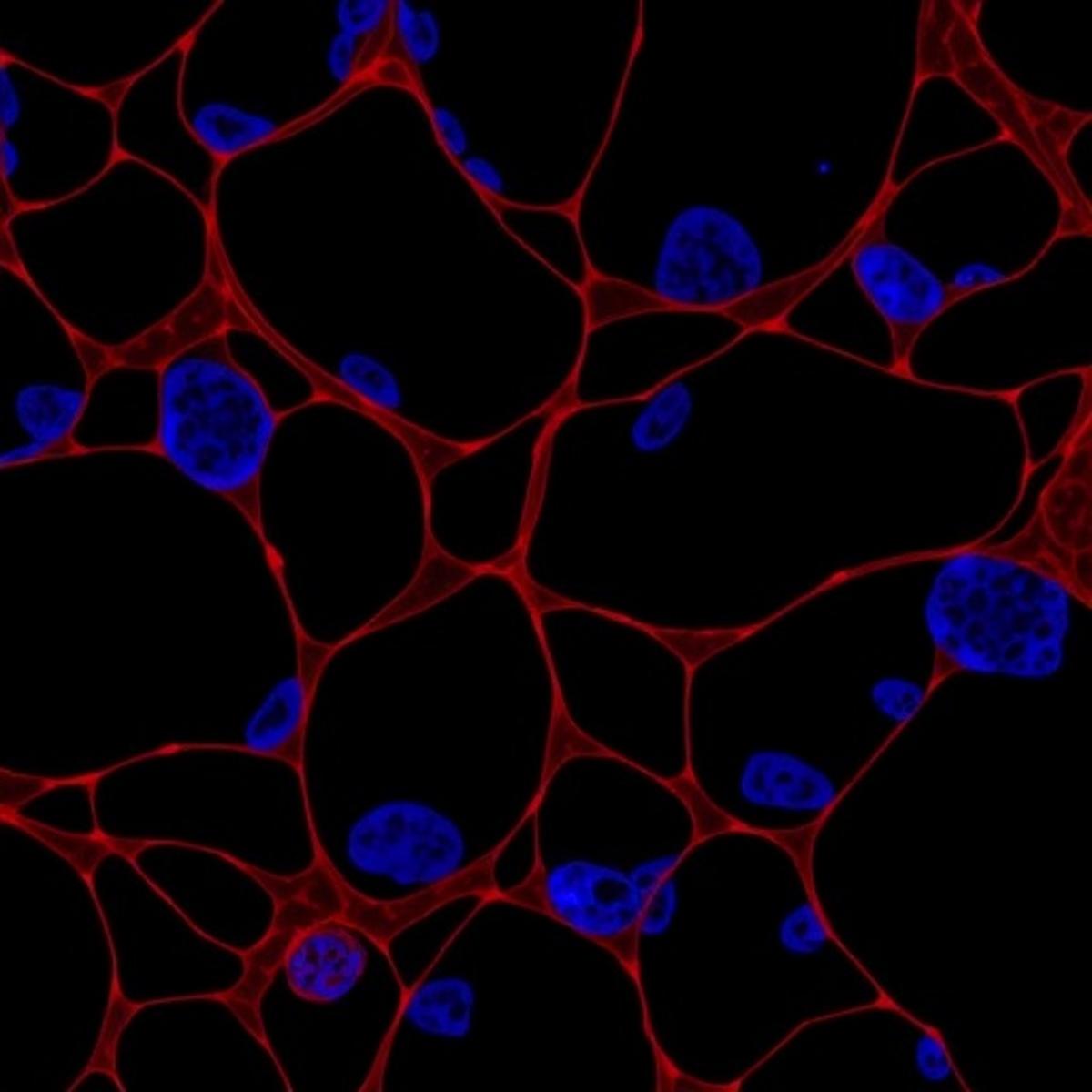
GPR182 Impedes Angiogenesis by Modulating CXCL12-CXCR4 Signaling
•January 22, 2026
0
Why It Matters
By revealing a new regulatory node in the CXCL12‑CXCR4 axis, GPR182 offers a novel avenue for anti‑angiogenic drug development, potentially improving outcomes for cancers reliant on vascular growth.
Key Takeaways
- •GPR182 suppresses endothelial cell migration.
- •CXCL12‑CXCR4 axis drives tumor vascularization.
- •GPR182 activation reduces VEGF expression.
- •Potential therapeutic target for anti‑angiogenic drugs.
- •Preclinical models show tumor growth inhibition.
Pulse Analysis
The discovery that GPR182 can dampen angiogenic signaling reshapes our understanding of vascular regulation in oncology. While the CXCL12‑CXCR4 pathway has long been recognized for its role in recruiting endothelial cells and promoting neovascularization, GPR182 appears to act as a counterbalance, attenuating downstream effectors such as VEGF. This mechanistic insight opens the door for combination strategies that pair GPR182 agonists with established VEGF inhibitors, potentially overcoming resistance mechanisms that limit current therapies.
From a translational perspective, the preclinical evidence points to tangible therapeutic benefits. Mouse models engineered to overexpress GPR182 exhibit markedly reduced tumor perfusion and slower growth rates, indicating that pharmacologic activation could translate into clinical tumor control. Moreover, the receptor’s orphan status suggests a relatively untapped chemical space for drug discovery, inviting biotech firms to explore small‑molecule or biologic modulators that could selectively engage GPR182 without off‑target effects.
Beyond oncology, the modulation of CXCL12‑CXCR4 signaling has implications for a range of vascular disorders, including diabetic retinopathy and chronic inflammatory diseases. By positioning GPR182 as a master regulator of angiogenesis, researchers provide a platform for broader therapeutic exploration. Stakeholders in the biotech and pharmaceutical sectors should monitor ongoing trials, as successful translation could reshape pipelines focused on anti‑angiogenic interventions and expand market opportunities across multiple disease areas.
GPR182 Impedes Angiogenesis by Modulating CXCL12-CXCR4 Signaling
0
Comments
Want to join the conversation?
Loading comments...