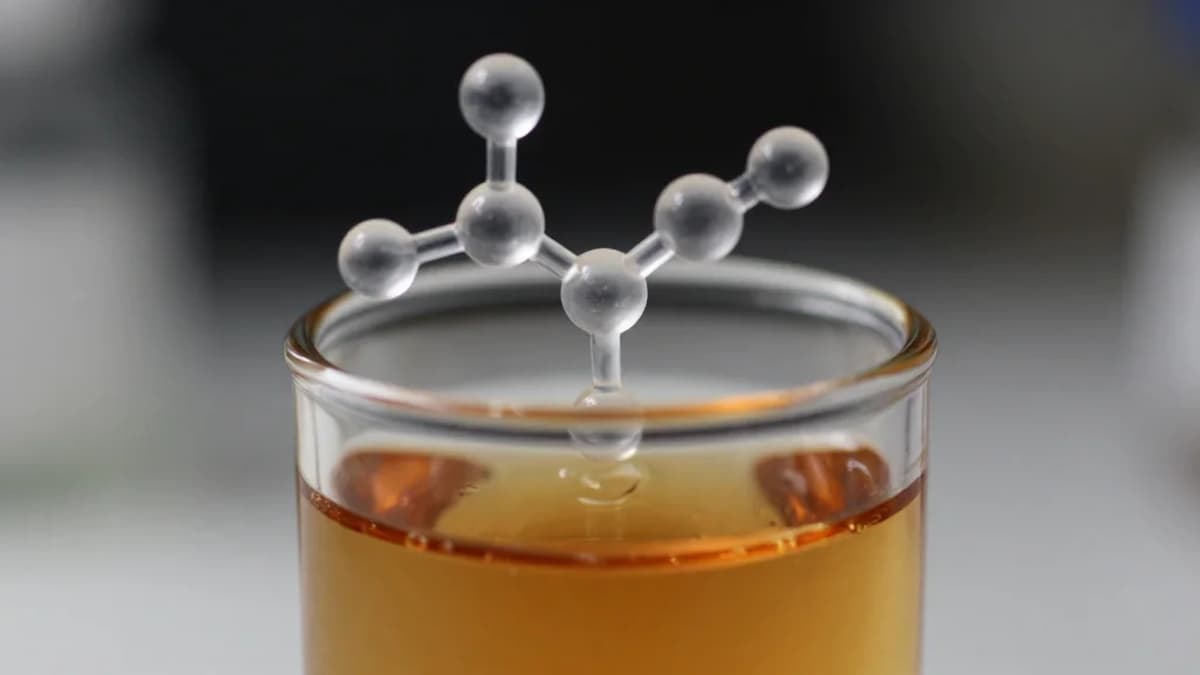
Groundbreaking Discovery Turns Household Plastic Recycling Into Anti-Cancer Medication
•December 24, 2025
0
Why It Matters
Turning ubiquitous PET waste into pharmaceutical precursors cuts reliance on fossil feedstocks and reduces manufacturing waste, accelerating sustainable drug production and circular‑economy adoption.
Key Takeaways
- •PET waste converted to EHMB via ruthenium catalysis
- •EHMB serves as precursor for Imatinib and other drugs
- •Process achieves turnover numbers up to 37,000
- •LCA shows lower impact versus fossil feedstock
- •Catalyst operates at low loadings, enhancing economic feasibility
Pulse Analysis
Chemical recycling of PET has long promised to divert billions of tonnes of plastic from landfills, yet most routes merely regenerate low‑value polymers. The new ruthenium‑catalysed semi‑hydrogenation breaks PET’s polymer chains into ethyl‑4‑hydroxymethyl benzoate, a molecule traditionally derived from petroleum. By leveraging a well‑controlled catalytic step, the researchers convert ordinary bottles and textiles into a high‑purity building block, illustrating how advanced catalysis can transform waste streams into strategic chemical assets for a circular economy.
The pharmaceutical implications are profound. EHMB feeds directly into the synthesis of Imatinib, a blockbuster anticancer drug, as well as tranexamic acid and the agrochemical Fenpyroximate. Conventional production of these APIs relies on hazardous reagents and generates substantial waste, inflating both cost and environmental burden. Up‑cycling PET into EHMB eliminates the need for fossil‑derived feedstock, reduces solvent usage, and streamlines synthetic pathways, offering manufacturers a greener, potentially cheaper route to high‑value medicines and agro‑products.
Beyond the chemistry, the study showcases industrial relevance through record catalyst turnover numbers of 37,000 and low catalyst loadings, addressing the economic hurdles that have limited chemical recycling adoption. A streamlined life‑cycle assessment confirms a markedly lower carbon footprint compared with traditional processes, reinforcing the sustainability narrative. As major pharma players like Merck KGaA engage with the technology, the pathway from plastic waste to premium APIs could become a cornerstone of future circular‑economy strategies, reshaping supply chains across chemicals, healthcare, and agriculture.
Groundbreaking discovery turns household plastic recycling into anti-cancer medication
0
Comments
Want to join the conversation?
Loading comments...