Gut Bacteria in Animal Models of Parkinson’s Disease
•January 27, 2026
0
Why It Matters
Understanding microbiome‑driven mechanisms offers a novel therapeutic avenue for slowing PD progression, potentially reshaping drug development pipelines and clinical trial designs.
Key Takeaways
- •Specific bacterial strains modulate motor symptoms in mice
- •Germ‑free rodents show reduced α‑synuclein aggregation
- •Fecal transplants from PD patients worsen neurodegeneration
- •Short‑chain fatty acids linked to neuroinflammation
- •Targeting microbiome offers potential disease‑modifying therapy
Pulse Analysis
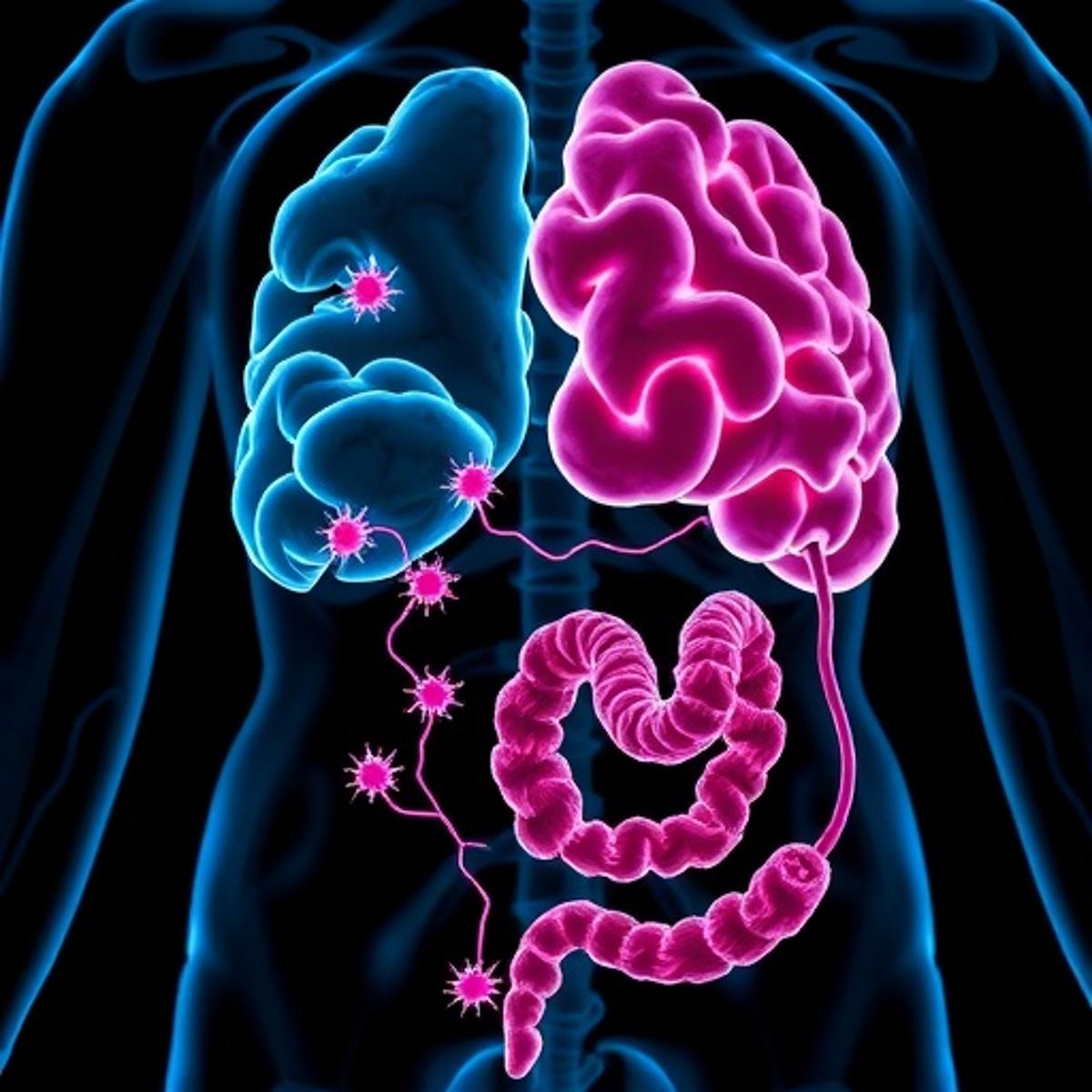
The gut‑brain axis has emerged as a critical frontier in neurodegenerative research, with mounting evidence that intestinal microbes can dictate central nervous system outcomes. In Parkinson’s disease, animal studies now demonstrate that altering the microbial composition—either by raising germ‑free cohorts or by introducing dysbiotic communities from patients—directly impacts α‑synuclein pathology and motor performance. These models underscore the bidirectional communication pathways, such as vagal signaling and systemic immune activation, that translate gut signals into neuronal stress.
Mechanistic investigations pinpoint several bacterial genera whose metabolites either exacerbate or mitigate neuroinflammation. Short‑chain fatty acids, produced by fermentative bacteria, have been linked to heightened microglial activation, while certain Lactobacillus strains appear protective by reinforcing intestinal barrier integrity. Fecal microbiota transplantation (FMT) experiments further reveal that transferring PD‑associated microbiomes into healthy rodents recapitulates disease phenotypes, suggesting a causal role rather than mere correlation. Advanced sequencing and metabolomics now allow researchers to map these microbial signatures with unprecedented resolution, paving the way for precision microbiome therapeutics.
For industry and clinicians, these insights translate into actionable strategies. Modulating the gut ecosystem through probiotics, dietary interventions, or targeted antibiotics could complement existing dopaminergic therapies, potentially slowing disease progression. Moreover, microbial biomarkers may serve as early diagnostic tools, enabling pre‑symptomatic identification of at‑risk individuals. As regulatory frameworks evolve to accommodate microbiome‑based products, biotech firms are poised to capitalize on a new class of disease‑modifying agents that address Parkinson’s at its systemic roots.
Gut Bacteria in Animal Models of Parkinson’s Disease
0
Comments
Want to join the conversation?
Loading comments...