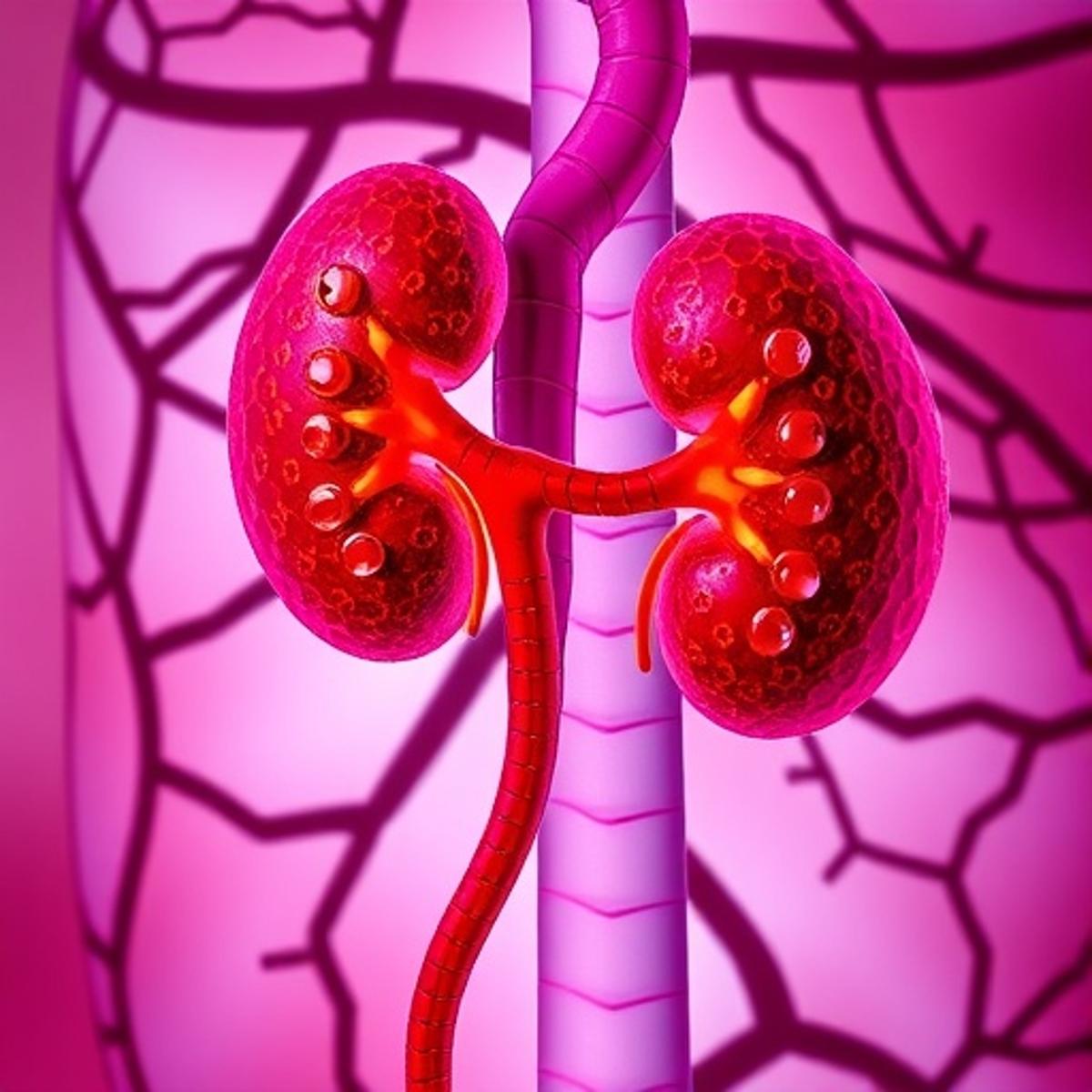
Hepatokine Fibrinogen-Like Protein 1 Fuels Kidney Fibrosis
•January 9, 2026
0
Why It Matters
Kidney fibrosis is the final common pathway to end‑stage renal disease, and a druggable upstream regulator like FGL1 opens new avenues for treatment. This discovery could reshape CKD drug pipelines and improve patient outcomes.
Key Takeaways
- •FGL1 levels rise with CKD severity
- •FGL1 triggers fibroblast activation via TGF‑β
- •Blocking FGL1 reduces fibrosis in mouse kidneys
- •Human data links serum FGL1 to renal decline
- •Potential new target for antifibrotic therapeutics
Pulse Analysis
Hepatokines, liver‑derived signaling proteins, have emerged as critical mediators of inter‑organ communication, influencing metabolic and inflammatory pathways beyond the liver. Fibrinogen‑like protein 1 (FGL1) was previously known for its role in immune regulation and cancer, but recent research highlights its impact on renal pathology. By mapping circulating FGL1 concentrations across chronic kidney disease stages, scientists uncovered a strong association between higher levels and accelerated loss of glomerular filtration rate, positioning the molecule as a biomarker of disease progression.
In preclinical models, administration of recombinant FGL1 amplified fibroblast proliferation and collagen synthesis, while genetic knock‑out or neutralizing antibodies attenuated these fibrotic responses. The study pinpointed the canonical TGF‑β/SMAD signaling cascade as the downstream conduit, with FGL1 enhancing SMAD2/3 phosphorylation and nuclear translocation. These mechanistic insights bridge a gap between hepatic stress signals and renal extracellular matrix remodeling, offering a concrete molecular target for intervention.
The therapeutic implications are substantial. Pharmaceutical firms are already investing in antifibrotic pipelines, yet few agents directly address upstream cytokine drivers. An FGL1‑focused drug could complement existing renin‑angiotensin system blockers and SGLT2 inhibitors, potentially delivering synergistic protection against end‑stage renal disease. Moreover, the biomarker potential of serum FGL1 may enable earlier patient stratification and monitoring of treatment efficacy, accelerating clinical trial design and market adoption. As the CKD market is projected to exceed $30 billion by 2030, targeting FGL1 could become a high‑value opportunity for biotech innovators.
Hepatokine Fibrinogen-Like Protein 1 Fuels Kidney Fibrosis
0
Comments
Want to join the conversation?
Loading comments...