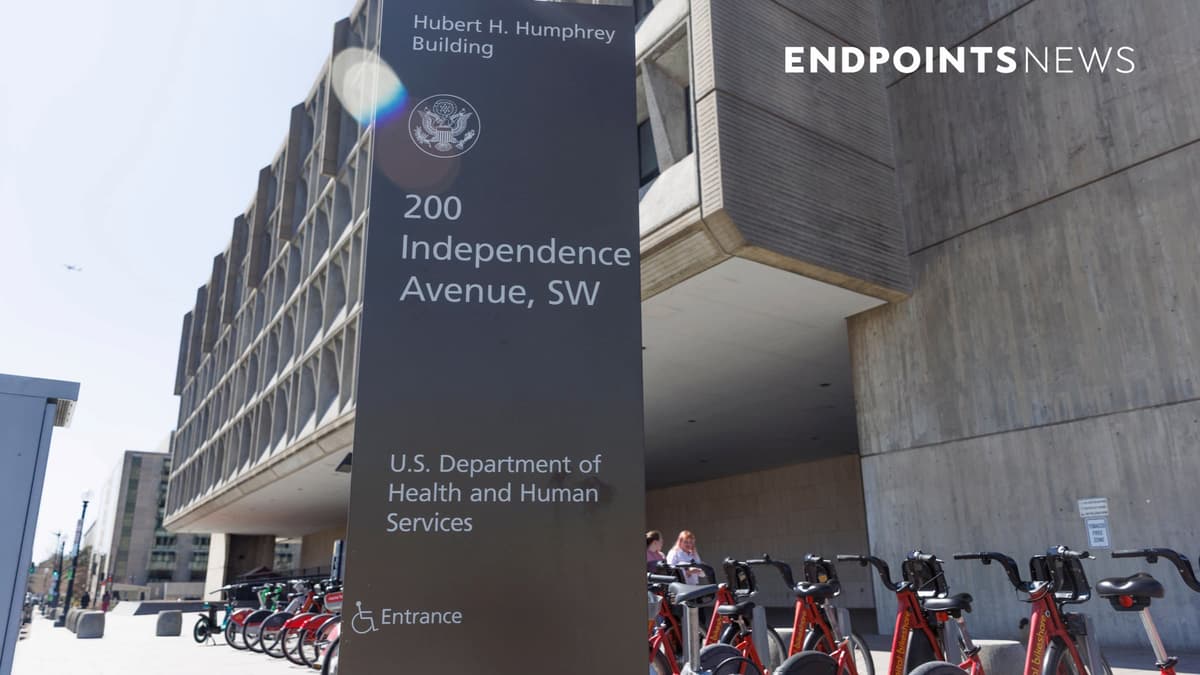
HHS Ousts Vaccine Injury Panel Members as Reshaping Takes Hold
•January 13, 2026
0
Why It Matters
The change could delay vaccine injury settlements and reshape how compensation policy is crafted, affecting manufacturers, claimants, and public health strategy.
Key Takeaways
- •HHS removed three advisory panel members in March.
- •Panel advises on vaccine injury claims and policy.
- •Reshuffle follows criticism over COVID‑19 vaccine stance.
- •Industry groups warn of slower compensation processes.
- •Potential reforms could alter VICP funding mechanisms.
Pulse Analysis
The Vaccine Injury Compensation Program (VICP) has long served as a neutral forum for adjudicating claims related to vaccine injuries, shielding manufacturers from direct lawsuits while providing compensation to victims. By reporting to the HHS secretary, the advisory committee influences policy recommendations, funding allocations, and procedural reforms. The recent ousting of members appointed under the prior administration reflects a strategic shift toward a panel perceived as more aligned with current regulatory priorities, especially concerning the contentious COVID‑19 vaccine rollout.
Political dynamics are central to this development. Critics argue that the removed members were overly sympathetic to claimants, potentially encouraging litigation that could destabilize vaccine supply chains. Conversely, consumer advocacy groups warn that a less diverse panel may marginalize legitimate injury claims, slowing payouts and eroding public trust. Industry stakeholders are closely monitoring the reshuffle, fearing that uncertainty could affect vaccine pricing, liability insurance costs, and future research investments.
Looking ahead, the reconstituted advisory panel will likely grapple with balancing rapid vaccine deployment against robust injury compensation. Potential reforms under discussion include adjusting the VICP’s funding formula, expanding the scope of compensable injuries, and enhancing transparency in decision‑making. For manufacturers, insurers, and healthcare providers, staying informed about these policy shifts is essential to mitigate risk and ensure compliance. Claimants, meanwhile, should watch for changes in claim processing timelines and eligibility criteria, as the new panel’s guidance will shape the practical realities of accessing compensation.
HHS ousts vaccine injury panel members as reshaping takes hold
0
Comments
Want to join the conversation?
Loading comments...