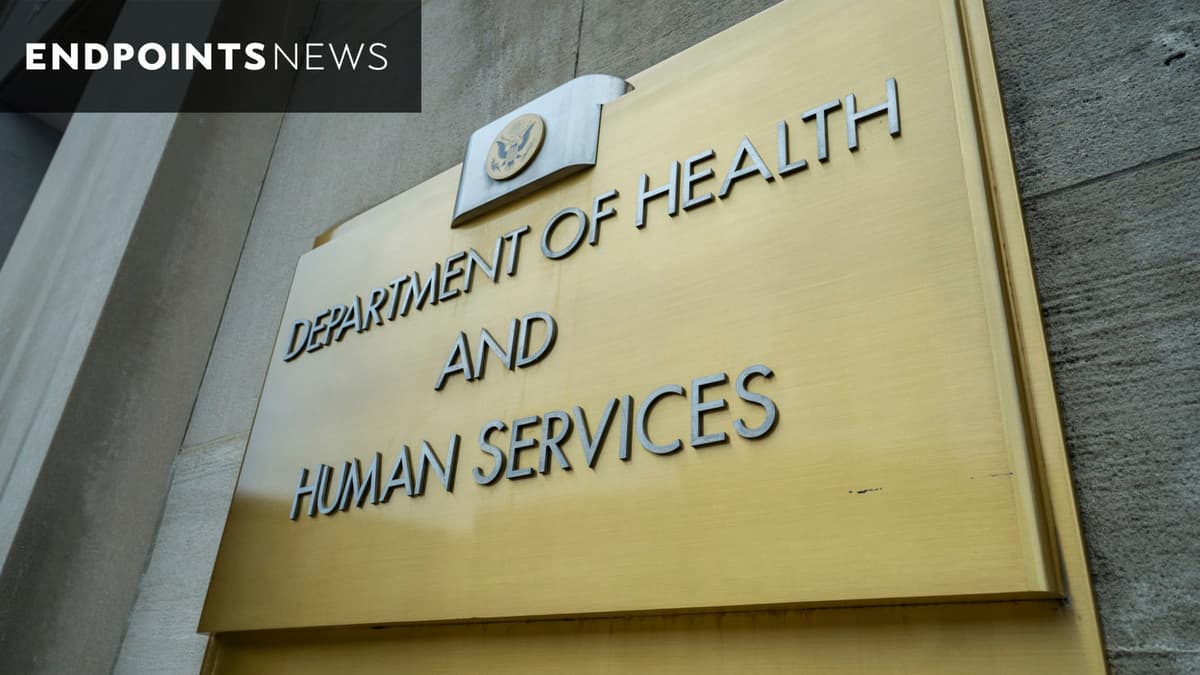
HHS Seeks to Protect Drugmakers From Anti-Kickback Laws Ahead of TrumpRx Launch
•January 28, 2026
0
Why It Matters
By easing anti‑kickback restrictions, the rule could unlock new pricing models and expand access to affordable medicines, reshaping the pharmaceutical distribution landscape.
Key Takeaways
- •HHS proposes safe harbor for TrumpRx drug sales
- •Anti‑kickback rules could hinder digital prescription platforms
- •Proposed rule aims to boost competition and access
- •Industry groups welcome regulatory clarity
- •Final rule expected later this year
Pulse Analysis
The Department of Health and Human Services is positioning itself at the intersection of regulation and digital health innovation with its proposed safe‑harbor rule for TrumpRx. Anti‑kickback statutes, originally designed to prevent illicit referrals, have unintentionally stifled legitimate promotional activities in emerging e‑prescribing ecosystems. By carving out a narrow exemption, HHS hopes to provide legal certainty for manufacturers willing to offer price concessions or value‑added services that encourage patients to use the new platform. This regulatory tweak reflects a broader shift toward embracing technology‑driven distribution channels while maintaining safeguards against abuse.
TrumpRx promises a centralized marketplace where prescribers, pharmacies, and manufacturers can negotiate pricing in real time, potentially lowering out‑of‑pocket costs. The platform’s success hinges on manufacturers’ willingness to participate without fear of civil liability. The proposed exemption could catalyze a wave of innovative discount programs, bulk purchasing arrangements, and outcome‑based contracts that were previously deemed risky under the anti‑kickback framework. Analysts anticipate that increased competition may pressure traditional pharmacy benefit managers and could spur further consolidation among digital health players seeking to capture market share.
Stakeholders are watching the rulemaking closely. Industry groups have lauded the move as a pragmatic response to the evolving prescription landscape, while consumer advocates caution that any relaxation of anti‑kickback enforcement must be tightly scoped to prevent unintended incentives that could drive overprescribing. The final rule, expected later this year after a comment period, will likely include reporting requirements and oversight mechanisms to balance innovation with patient safety. If executed well, the policy could set a precedent for future regulatory adaptations that support digital health initiatives while preserving the integrity of the healthcare system.
HHS seeks to protect drugmakers from anti-kickback laws ahead of TrumpRx launch
0
Comments
Want to join the conversation?
Loading comments...