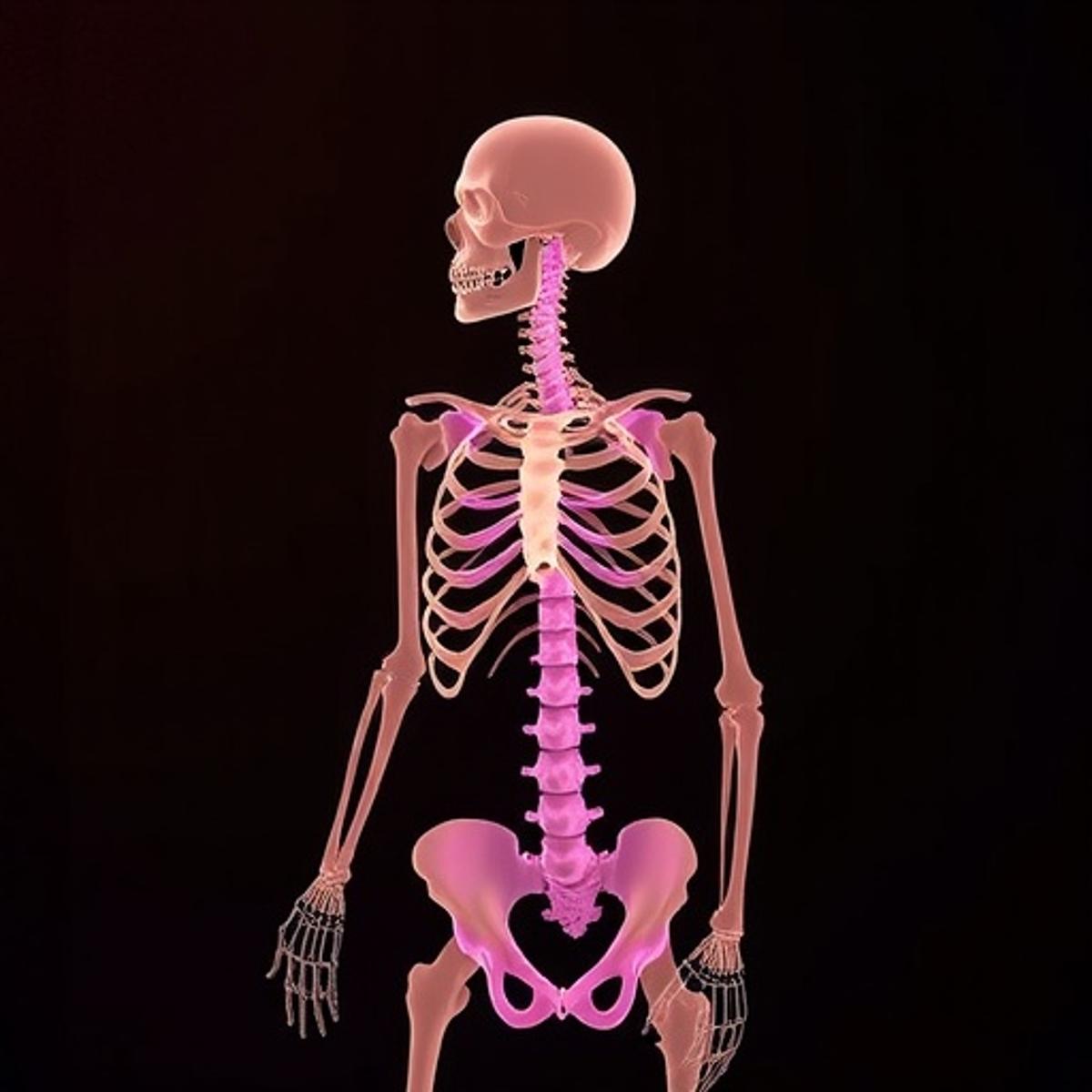
Intermittent Hypobaric Pressure Fights Aging and Osteoporosis
•January 14, 2026
0
Why It Matters
If validated in humans, IHP could reshape osteoporosis treatment by offering a low‑risk, device‑based alternative to drugs, opening new revenue streams for med‑tech firms. It also highlights the therapeutic potential of controlled environmental stressors in aging research.
Key Takeaways
- •Intermittent hypobaric sessions improve bone mineral density.
- •Study shows reduced markers of cellular aging.
- •Protocol uses 2‑hour cycles, three times weekly.
- •Benefits observed without significant cardiovascular side effects.
- •Potential for non‑pharmacologic osteoporosis therapy.
Pulse Analysis
Intermittent hypobaric pressure (IHP) mimics high‑altitude conditions by briefly lowering ambient air pressure, triggering physiological adaptations that extend beyond traditional exercise. Recent animal data reveal that short, repeated IHP exposures stimulate osteoblast activity and suppress osteoclast-mediated resorption, leading to measurable gains in bone mineral density. Simultaneously, the hypoxic stress activates cellular pathways—such as HIF‑1α and sirtuin signaling—that preserve telomere length and reduce oxidative damage, hallmarks of slowed biological aging.
The underlying mechanisms position IHP as a compelling adjunct to existing osteoporosis strategies. By enhancing bone formation without the systemic side effects of bisphosphonates or hormone therapy, IHP could appeal to patients seeking non‑pharmacologic options. Moreover, the therapy’s reliance on pressure‑controlled chambers makes it scalable for clinics, senior living facilities, and even home‑use devices, potentially accelerating adoption in preventive health programs focused on frailty reduction.
From a market perspective, the convergence of aging‑population demographics and rising osteoporosis prevalence creates a multi‑billion‑dollar opportunity for med‑tech innovators. Companies that secure patents on IHP delivery systems or integrate biometric monitoring could capture early‑stage market share, especially if clinical trials confirm efficacy and safety in humans. Regulatory pathways appear favorable, as the technology aligns with existing medical device classifications, allowing faster clearance compared to novel pharmaceuticals. Continued research will determine whether IHP can become a mainstream, insurance‑reimbursable intervention for bone health and longevity.
Intermittent Hypobaric Pressure Fights Aging and Osteoporosis
0
Comments
Want to join the conversation?
Loading comments...