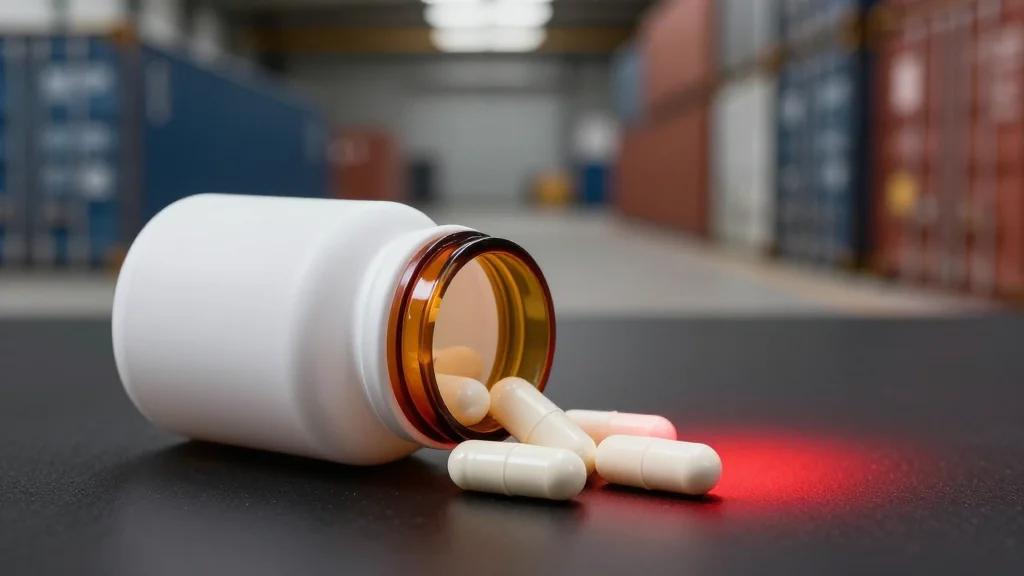
Interpol Seizes 6.42 Million Counterfeit Drug Doses Worth $15.5 M

Why It Matters
The seizure underscores the persistent vulnerability of global drug supply chains to counterfeit infiltration, a risk that can translate into treatment failures, antimicrobial resistance and loss of life. By disrupting 66 organized groups, the operation not only removes dangerous products from circulation but also dismantles the logistical infrastructure that enables large‑scale fraud. For regulators and pharmaceutical companies, the event highlights the need for stronger cross‑border collaboration, real‑time data sharing, and investment in traceability technologies to safeguard public health. Moreover, the crackdown may influence market dynamics by prompting tighter import controls and potentially reducing the availability of low‑cost generics in regions that depend on them. This could spur price volatility and encourage legitimate manufacturers to reinforce supply‑chain security, ultimately reshaping how medicines are sourced and distributed worldwide.
Key Takeaways
- •6.42 million doses of counterfeit medicines seized, valued at $15.5 million
- •Operation Pangea XVIII spanned March 10‑23 across 90 countries
- •269 arrests made and 66 criminal groups dismantled
- •Seized products included antibiotics, painkillers and lifestyle drugs
- •Interpol to host a follow‑up summit in late 2026 to plan next actions
Pulse Analysis
The scale of Operation Pangea XVIII reflects a turning point in how law‑enforcement agencies confront pharmaceutical crime. Historically, counterfeit drug busts were fragmented, often limited to single jurisdictions. This coordinated effort demonstrates that criminal networks have become sufficiently sophisticated to merit a unified, multinational response. The operation’s success is likely to embolden regulators to push for more stringent verification standards, especially for high‑risk categories such as antibiotics where substandard products can accelerate resistance.
From a market perspective, the immediate impact may be modest—$15.5 million in seized value is a drop in the ocean of global pharma sales—but the ripple effects could be more pronounced. Companies that rely on complex, multi‑tiered supply chains may face heightened scrutiny, leading to increased compliance expenditures. At the same time, the heightened visibility of counterfeit risks could accelerate adoption of emerging technologies like blockchain, which promise immutable provenance records. Early adopters may gain a competitive edge by offering verifiable authenticity, while laggards risk losing market share to more secure competitors.
Looking forward, the crackdown sets a precedent for future collaborations between Interpol, national customs agencies and health regulators. The planned 2026 summit will likely focus on intelligence‑sharing protocols and the integration of digital tracking tools. If successful, these initiatives could shrink the operational window for counterfeit syndicates, forcing them to either evolve more covert methods or abandon the lucrative pharmaceutical market altogether. For investors, the story signals both risk and opportunity: firms that invest in supply‑chain security technologies may see upside, while those that ignore the tightening enforcement landscape could face regulatory penalties and reputational damage.
Interpol Seizes 6.42 Million Counterfeit Drug Doses Worth $15.5 M
Comments
Want to join the conversation?
Loading comments...