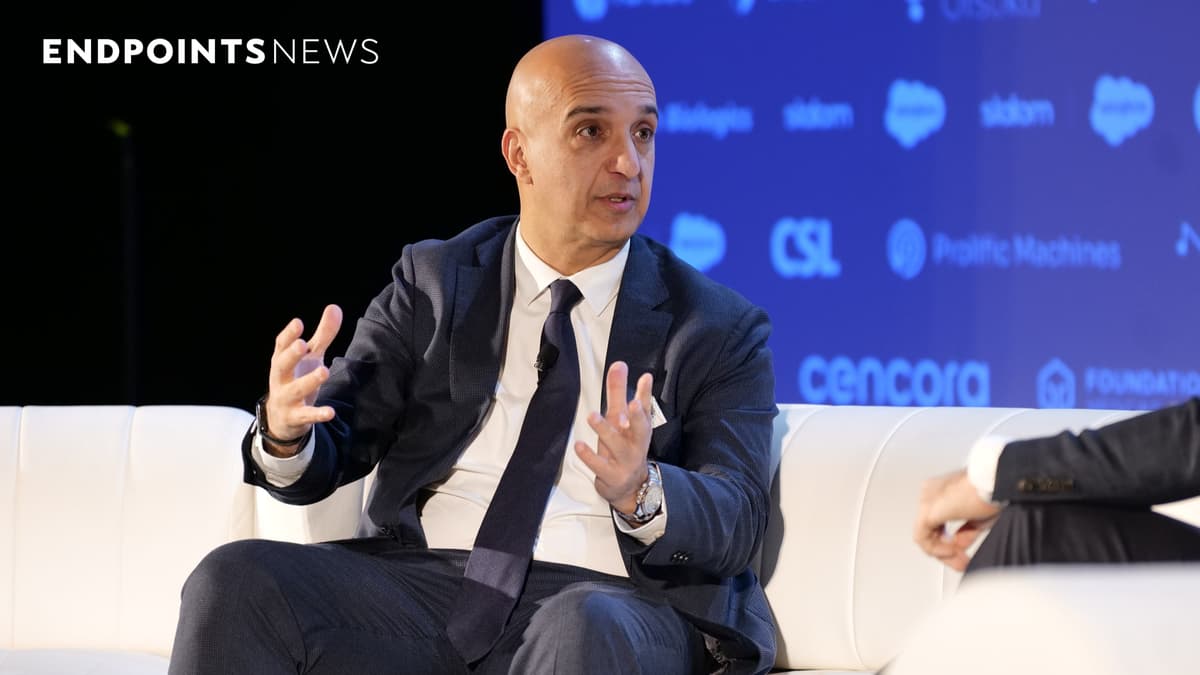
#JPM26: Novo Nordisk CEO Says Pharma Can Learn From the GLP-1 Compounding Boom
•January 12, 2026
0
Companies Mentioned

Why It Matters
The shift signals a disruptive change in drug delivery that could reshape revenue streams and competitive dynamics for pharmaceutical companies. Understanding the compounding boom helps firms stay ahead of market expectations and regulatory pressures.
Key Takeaways
- •Telehealth sales of GLP‑1 drugs surged 300% YoY.
- •Compounding pharmacies filled supply gaps for obesity treatments.
- •Patients prefer convenient, at‑home injection delivery models.
- •Pharma must adapt pricing to digital distribution channels.
- •Regulators eye safety standards for compounded GLP‑1 products.
Pulse Analysis
The recent surge in GLP‑1 obesity medications has been amplified by telehealth platforms, where patients can obtain prescriptions and delivery without leaving home. This digital convenience, combined with a shortage of manufacturer‑filled pens, opened the door for compounding pharmacies to step in, rapidly scaling production to satisfy a market that grew by hundreds of percent in just months.
For established pharmaceutical firms, the compounding boom offers a clear lesson: digital distribution is no longer optional. Companies must integrate telehealth partnerships, streamline pricing structures for at‑home use, and redesign supply chains to accommodate smaller, patient‑focused batches. By doing so, they can capture a larger share of the lucrative GLP‑1 market while reducing friction points that drive patients toward third‑party solutions.
Looking ahead, regulators are likely to tighten oversight of compounded GLP‑1 products, emphasizing safety and consistency. Pharma players that proactively collaborate with compounding providers and invest in robust quality‑control frameworks will not only mitigate compliance risks but also position themselves as trusted innovators in the evolving obesity‑treatment landscape.
#JPM26: Novo Nordisk CEO says pharma can learn from the GLP-1 compounding boom
0
Comments
Want to join the conversation?
Loading comments...