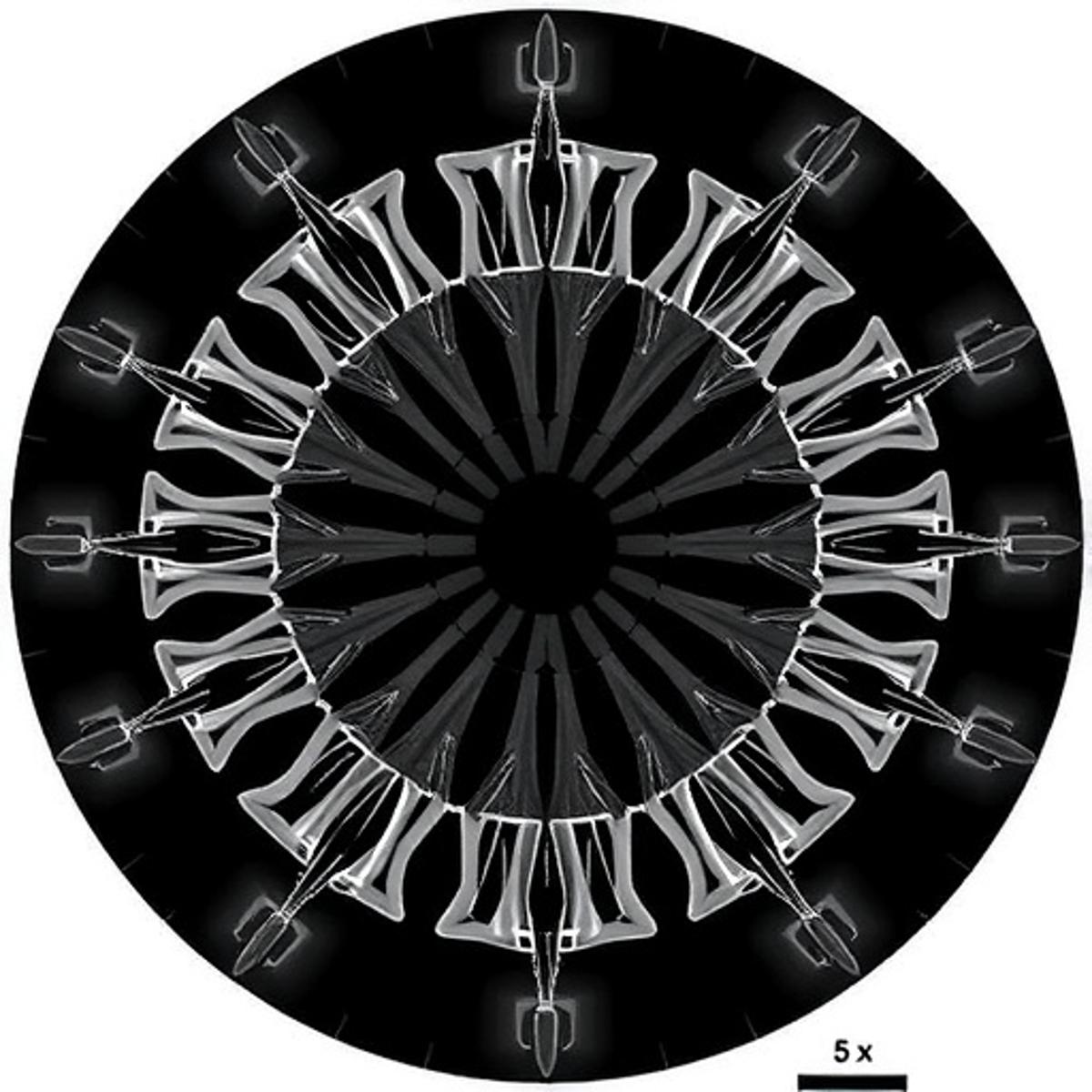
Kinetochores Regulate Anaphase Spindle Length via Depolymerization
•January 30, 2026
0
Why It Matters
Accurate spindle length is essential for faithful chromosome segregation; errors can lead to aneuploidy and cancer. Targeting the kinetochore‑depolymerization pathway offers a novel avenue for therapeutic intervention in proliferative diseases.
Key Takeaways
- •Kinetochores drive microtubule depolymerization during anaphase
- •Disruption shortens spindle by ~15‑20%
- •Findings link kinetochore activity to chromosome stability
- •Potential target for anti‑cancer therapies
- •Highlights mechanical feedback in mitotic spindle regulation
Pulse Analysis
During mitosis, the spindle apparatus orchestrates the equal partitioning of duplicated chromosomes into daughter cells. While microtubule dynamics have long been recognized as the engine of spindle elongation, the precise mechanisms that fine‑tune spindle length in anaphase remain debated. Kinetochores—protein complexes that attach chromosomes to microtubules—have traditionally been viewed as passive anchors, but emerging evidence suggests they also generate forces that remodel the microtubule lattice. Understanding how these structures contribute to spindle geometry is critical for decoding the fidelity of cell division.
The new study employed high‑resolution live‑cell imaging combined with targeted laser ablation to dissect kinetochore activity in real time. Researchers observed a rapid depolymerization wave emanating from kinetochores as cells entered anaphase, driven primarily by the kinesin‑13 motor MCAK. When MCAK recruitment was genetically blocked, spindle length contracted by 15‑20 % compared with controls, confirming that kinetochore‑mediated depolymerization actively shortens the spindle. These data overturn the notion that spindle shortening is solely a passive consequence of poleward microtubule flux.
From a biomedical perspective, the link between kinetochore‑driven depolymerization and spindle length offers fresh therapeutic angles. Many cancers exhibit hyperactive spindle dynamics that fuel chromosomal instability; modulating the kinetochore‑MCAK axis could restore proper spindle architecture and reduce aneuploidy rates. Moreover, the findings provide a mechanistic framework for designing small‑molecule inhibitors that selectively disrupt pathological depolymerization without impairing normal mitosis. Future research will likely explore how this pathway integrates with checkpoint signaling and whether it can be leveraged across diverse tumor types.
Kinetochores Regulate Anaphase Spindle Length via Depolymerization
0
Comments
Want to join the conversation?
Loading comments...