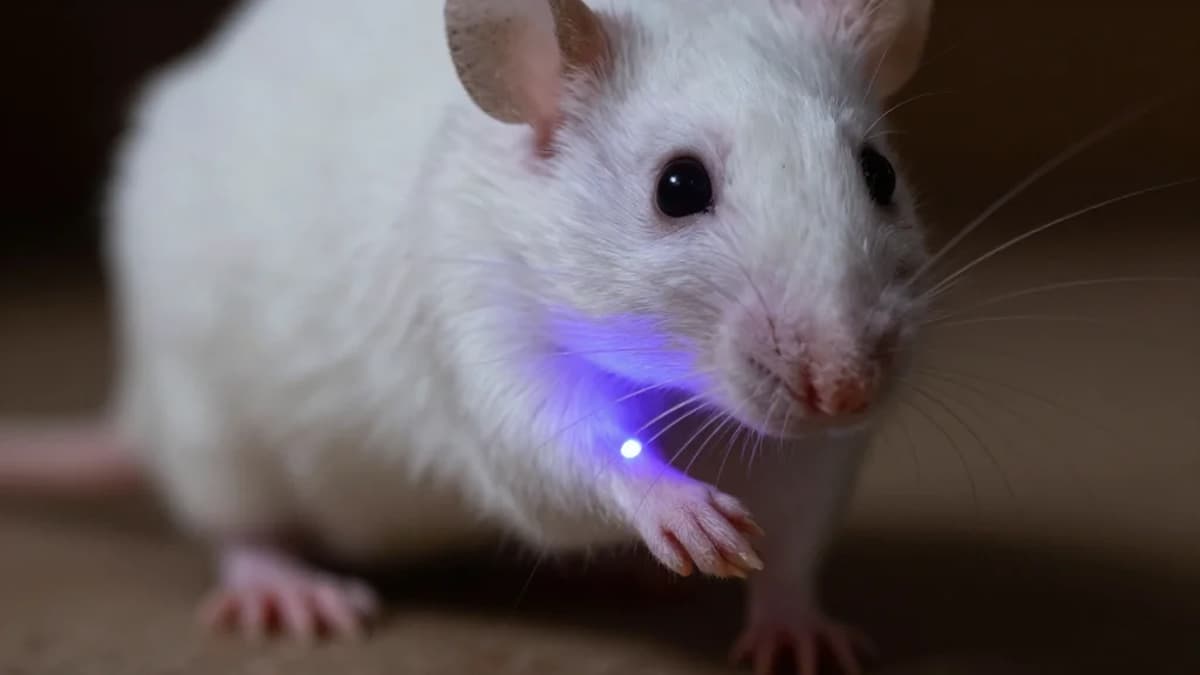
Light Offers a Non-Invasive Alternative to Painkillers in Veterinary Medicine
•January 31, 2026
0
Companies Mentioned

Phys.org
Why It Matters
LIA offers veterinarians a drug‑free, low‑cost pain solution, reducing reliance on NSAIDs and opioids. It also opens a pathway to novel human analgesics by targeting TRAAK without light.
Key Takeaways
- •LIA uses 380 nm light to activate TRAAK channels
- •Pain relief outlasts ibuprofen in rodent models
- •Effective on chinchillas, tortoises, boas, other pets
- •Human TRAAK variant blocks light‑induced activation
- •TRAAK channel emerges as new analgesic target
Pulse Analysis
Pain control remains a persistent challenge in veterinary clinics, where oral NSAIDs and opioids can cause gastrointestinal irritation, renal stress, or behavioral side effects. The recent discovery of light‑induced analgesia (LIA) offers a drug‑free alternative that sidesteps systemic exposure. Developed by CNRS researchers, LIA leverages a narrow band of near‑violet light to transiently silence nociceptive signaling in animals ranging from common pets to exotic species. By eliminating injections and chemical metabolism, the technique promises faster recovery times and lower treatment costs for veterinarians and pet owners alike.
The core of LIA is the activation of the potassium channel TRAAK, a protein that naturally dampens neuronal excitability. When illuminated at 380 nm, TRAAK opens and hyperpolarizes pain‑transmitting neurons, effectively cutting the signal at its source. In rodent trials, a few minutes of exposure produced analgesia that persisted for several hours, outperforming ibuprofen in both intensity and duration. Importantly, the effect was achieved without any pharmacological agents, reducing the risk of drug interactions and eliminating the need for dosage adjustments across species.
Although the same light response does not translate to humans— a single amino‑acid change in human TRAAK abolishes activation— the study positions TRAAK as a promising therapeutic target. Pharmaceutical developers can now explore small‑molecule modulators or gene‑editing approaches that mimic the optical effect without requiring illumination. For veterinary medicine, regulatory pathways are likely smoother because the method uses a simple LED device and avoids controlled substances. As pet owners increasingly demand humane, low‑stress treatments, LIA could reshape standard analgesic protocols and stimulate broader investment in bio‑optical pain solutions.
Light offers a non-invasive alternative to painkillers in veterinary medicine
0
Comments
Want to join the conversation?
Loading comments...