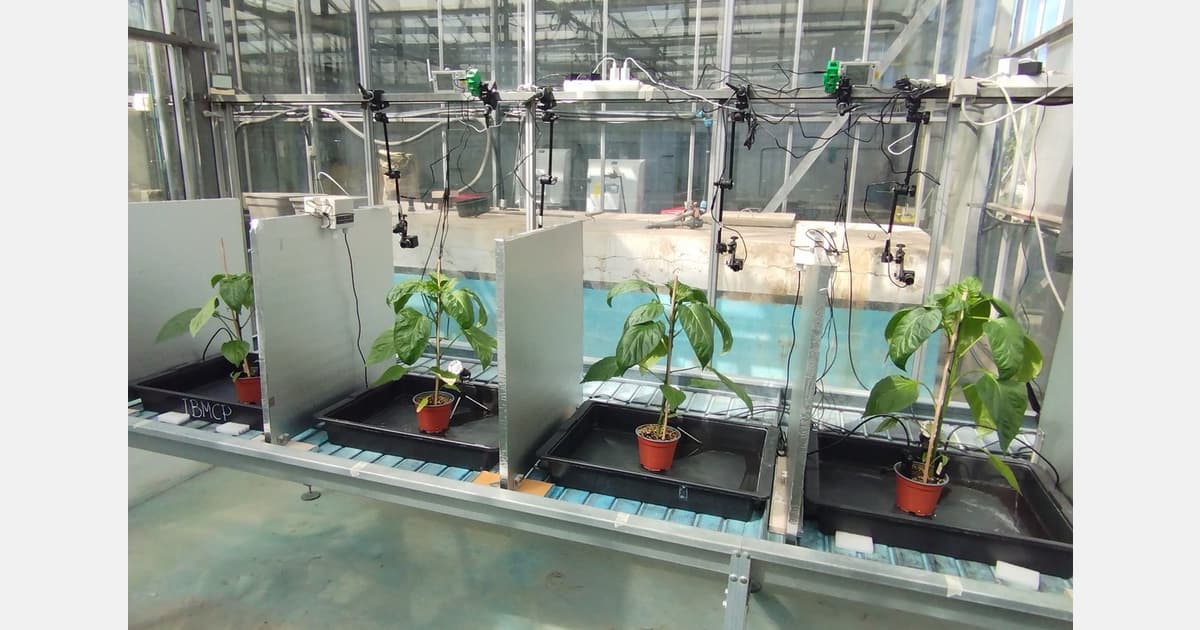
Listening to How Plants Talk, Scream and Cry
Why It Matters
The integration of plant acoustic monitoring with AI promises precision agriculture that conserves water and reduces chemicals, while the EU’s regulatory shift could accelerate commercial biotech innovation across Europe.
Key Takeaways
- •IBMCP built a Plant Ultrasound Atlas with 30,000+ recording hours.
- •AI analyzes ultrasonic data to guide irrigation and pest control.
- •EU's new genomic techniques regulation could unlock biotech funding by 2028.
- •Severo Ochoa award boosts IBMCP budget to €5.4 m (~$5.9 m) annually.
- •Spin‑offs like Madeinplant and Naplatec commercialize CRISPR crop improvements.
Pulse Analysis
The Plant Ultrasound Atlas (PUA) represents a paradigm shift in crop monitoring. By capturing ultrasonic emissions that signal water stress, insect attack, or fungal infection, researchers can feed massive datasets into machine‑learning models that trigger precise irrigation schedules or emit deterrent frequencies. This approach not only trims water usage—critical in drought‑prone regions—but also curtails pesticide reliance, aligning with sustainability goals and offering measurable cost savings for growers.
Europe’s biotechnology landscape is on the cusp of transformation thanks to the forthcoming NGT regulation. The legislation, slated for parliamentary approval this summer and implementation by 2028, promises a product‑focused risk assessment that mirrors frameworks in the United States and Asia. By decoupling approval from the underlying genetic method, the EU aims to fast‑track bio‑fertilisers, biostimulants, and biopesticides derived from edited microbes. This regulatory clarity is expected to unlock billions in private‑sector investment, stimulate a pipeline of novel agritech startups, and reduce reliance on traditional chemical inputs.
IBMCP’s strategic positioning amplifies these trends. The institute’s Severo Ochoa Centre of Excellence status brings an annual budget of €5.4 million (~$5.9 million) and an additional €8 million (~$8.7 million) in external funding, fueling over 300 projects and three successful spin‑offs—Madeinplant, Naplatec, and Zimotopía. Beyond agriculture, the research extends to plant‑based bio‑factories for viral vectors and therapeutic nanoparticles, hinting at cross‑sector synergies with medicine. As AI, genomics, and regulatory reform converge, IBMCP is poised to become a European hub for next‑generation biotech commercialization.
Listening to how plants talk, scream and cry
Comments
Want to join the conversation?
Loading comments...