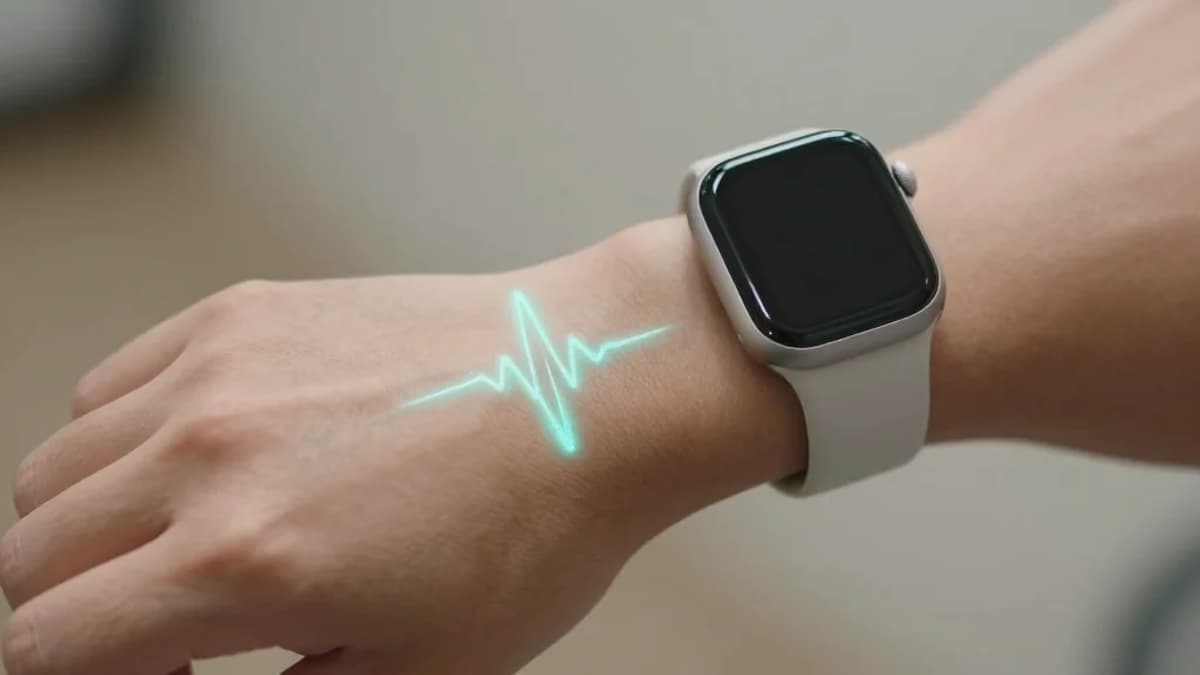
Living Sensor Display Turns Engineered Skin Into a Biological Monitor
•January 12, 2026
0
Why It Matters
It enables continuous, non‑invasive monitoring of health signals, potentially reshaping wearable diagnostics and early disease detection.
Key Takeaways
- •Engineered skin fluoresces when inflammation activates NF‑κB
- •Sensor persists >200 days via natural skin turnover
- •No batteries or external power required
- •Adaptable to detect diverse physiological cues
- •Potential uses in human, veterinary, research settings
Pulse Analysis
Wearable health technologies have largely focused on external devices that capture surface‑level data such as heart rate or oxygen saturation. While convenient, these tools provide only intermittent snapshots and often require regular charging or replacement. The emergence of a bio‑hybrid sensor that integrates directly with the body marks a paradigm shift, moving monitoring from the periphery to the tissue itself. By turning engineered skin into a visible indicator, clinicians and patients can obtain real‑time insights without invasive sampling, bridging a gap that traditional wearables have struggled to fill.
The core of the technology lies in epidermal stem cells genetically programmed to respond to the NF‑κB inflammatory pathway. When activated, the cells produce enhanced green fluorescent protein, causing the grafted area to glow. Because the sensor is composed of living cells, it is naturally maintained through the skin’s regeneration cycle, eliminating the need for batteries or external power sources. Preclinical trials in mice demonstrated stable fluorescence signals for more than 200 days, showcasing the durability of a self‑renewing biological device. This longevity, combined with the simplicity of visual detection, positions the system as a low‑maintenance alternative to conventional implantable sensors.
Beyond inflammation, the platform’s modular design allows researchers to swap genetic circuits to target a wide array of biomarkers, from metabolic hormones to pathogen‑specific proteins. Such flexibility could accelerate personalized medicine, enabling early detection of chronic conditions or rapid response to acute events. While regulatory pathways for living implants remain complex, the promise of a battery‑free, continuously renewing monitor is attracting interest from biotech firms, veterinary applications, and academic labs. As the technology matures, it may redefine how health data is captured, interpreted, and acted upon across both human and animal health sectors.
Living sensor display turns engineered skin into a biological monitor
0
Comments
Want to join the conversation?
Loading comments...