Lonza Boosts Advanced Synthesis Capabilities for Bioconjugates
•February 19, 2026
0
Companies Mentioned

Why It Matters
The upgrade gives drug developers a faster, more flexible path from discovery to clinical supply, accelerating next‑generation ADCs that address tumor heterogeneity and resistance. It also strengthens Lonza’s position as a leading CDMO in the rapidly growing bioconjugate market.
Key Takeaways
- •Integrated GlycoConnect, HydraSpace, toxSYN into advanced synthesis
- •Dual‑payload ADCs enable two cytotoxics on one antibody
- •Oss site adds small‑scale prototyping and pilot toxicology scale‑up
- •Supports antibody‑oligonucleotide, lipid nanoparticle, protein‑protein conjugates
- •End‑to‑end CDMO streamlines ADC development from discovery to clinic
Pulse Analysis
The global ADC market is projected to exceed $15 billion by 2028, driven by the need for targeted cancer therapies that improve efficacy while reducing systemic toxicity. Traditional conjugation methods often yield heterogeneous products, complicating regulatory approval and scale‑up. Lonza’s integration of the GlycoConnect® site‑specific conjugation platform, HydraSpace® polar spacers, and toxSYN® linker payloads addresses these challenges by delivering uniform, high‑purity ADCs that meet stringent quality standards, positioning the firm as a preferred partner for biotech innovators.
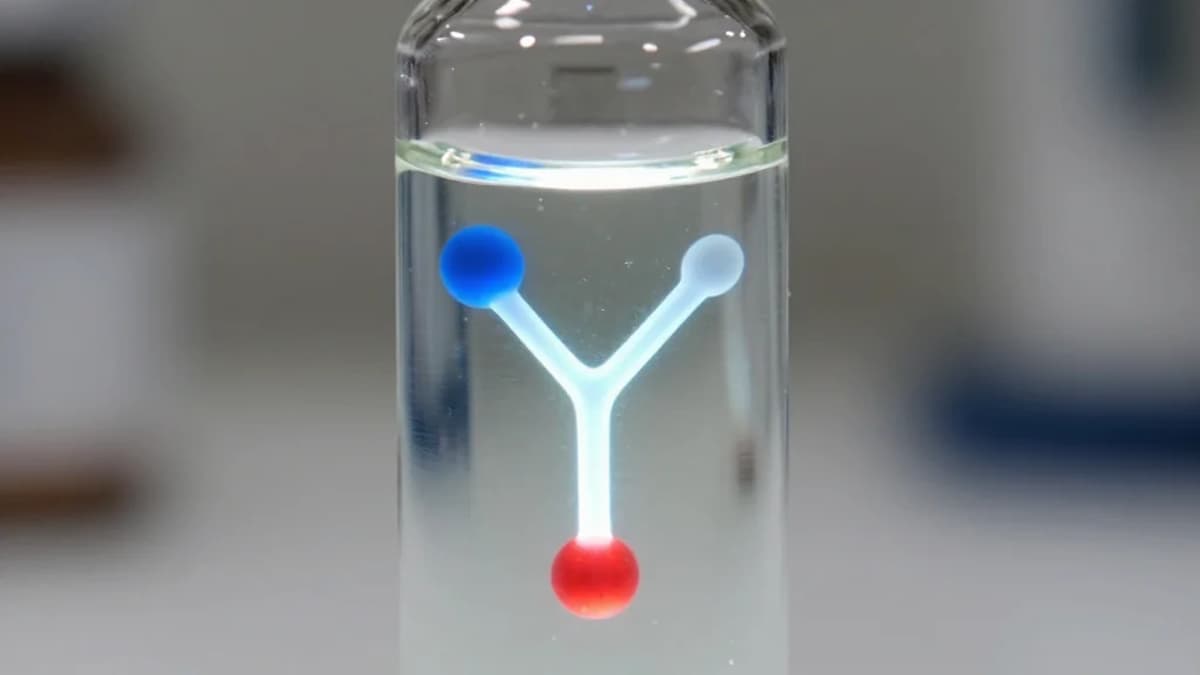
Lonza’s newly announced dual‑payload ADC technology adds a strategic layer to its offering. By attaching two distinct cytotoxic agents to a single antibody, developers can tailor payload ratios to combat tumor heterogeneity and mitigate drug‑induced resistance mechanisms. This approach expands the therapeutic window and enables combination‑like effects within a single molecular construct, a capability that is increasingly sought after as oncology trials demand more sophisticated payload strategies. The proprietary technologies also simplify manufacturing workflows, reducing batch‑to‑batch variability and accelerating timelines from bench to bedside.
Beyond ADCs, the expanded Oss facility underscores Lonza’s commitment to broader bioconjugate modalities, including antibody‑oligonucleotide conjugates, targeted lipid nanoparticles, and protein‑protein conjugates. By coupling small‑scale prototyping with pilot‑scale toxicology production under one roof, Lonza offers a seamless, end‑to‑end CDMO solution that shortens development cycles and lowers capital risk for sponsors. This integrated model not only enhances Lonza’s competitive edge but also aligns with industry trends toward modular, platform‑based drug development, ensuring the company remains a pivotal enabler of next‑generation therapeutics.
Lonza Boosts Advanced Synthesis Capabilities for Bioconjugates
0
Comments
Want to join the conversation?
Loading comments...