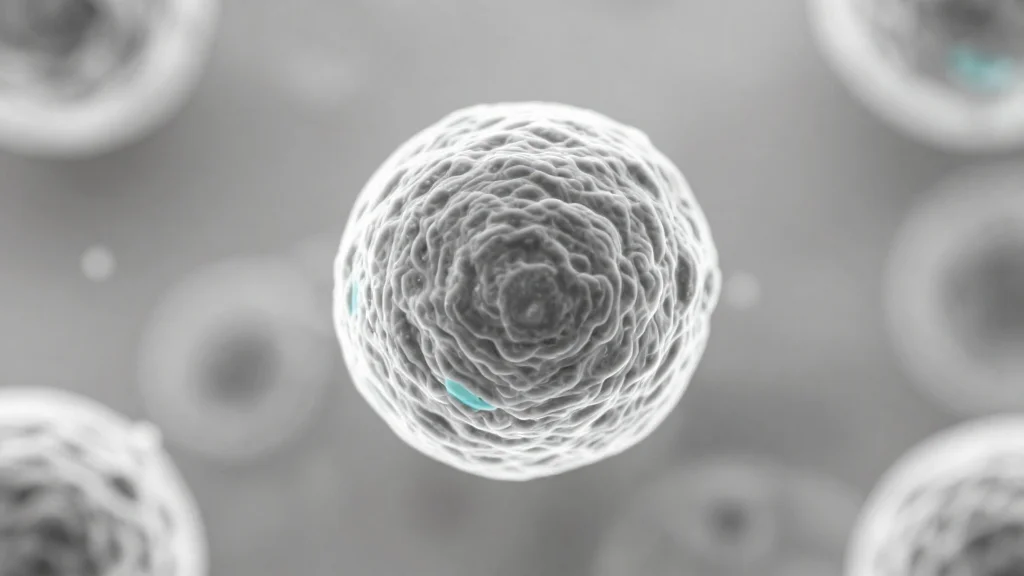
Macrophages Use Cell Volume Changes to Sense Danger and Amplify Inflammation
Why It Matters
Linking physical cues to immune activation opens new therapeutic avenues for viral and inflammatory diseases, making VRAC modulation a promising drug target.
Key Takeaways
- •VRAC loss prevents macrophages from correcting swelling under hypo‑osmotic stress.
- •Swollen macrophages upregulate type I interferon and nucleic‑acid sensing genes.
- •VRAC‑deficient cells show heightened antiviral response to influenza A virus.
- •Mice lacking VRAC exhibit exacerbated cytokine‑driven hyperinflammation.
Pulse Analysis
The recent study published in the Journal of Cell Biology uncovers a novel layer of innate immune sensing: macrophage cell‑volume fluctuations. By focusing on the volume‑regulated anion channel (VRAC), the researchers demonstrated that when VRAC is absent, macrophages cannot counteract hypo‑osmotic swelling. This physical disturbance activates a DNA‑ and TBK1‑dependent type I interferon cascade, independent of classic cGAS pathways, and rewires the transcriptional landscape toward antiviral and pro‑inflammatory programs.
These findings have immediate relevance for disease contexts where tissue osmolarity shifts, such as edema, infection, or trauma. VRAC‑deficient macrophages displayed a markedly stronger response to influenza A virus, suggesting that manipulating cell‑volume sensing could boost antiviral defenses. Conversely, the same mechanism intensified cytokine storms in mouse models of systemic hyperinflammation, highlighting a double‑edged sword that may exacerbate conditions like sepsis or autoimmune flare‑ups. Targeting VRAC or its downstream signaling could therefore provide a nuanced approach: dampening harmful inflammation while preserving protective antiviral activity.
Beyond the immediate immunology implications, the work bridges biophysics and therapeutic development, an area gaining traction in biotech. As drug discovery increasingly explores ion channels and mechanosensitive pathways, VRAC emerges as a tractable target for small‑molecule modulators. Future research will need to delineate tissue‑specific effects and safety profiles, but the concept of tuning immune responses through physical cues adds a compelling dimension to precision medicine strategies.
Macrophages Use Cell Volume Changes to Sense Danger and Amplify Inflammation
Comments
Want to join the conversation?
Loading comments...