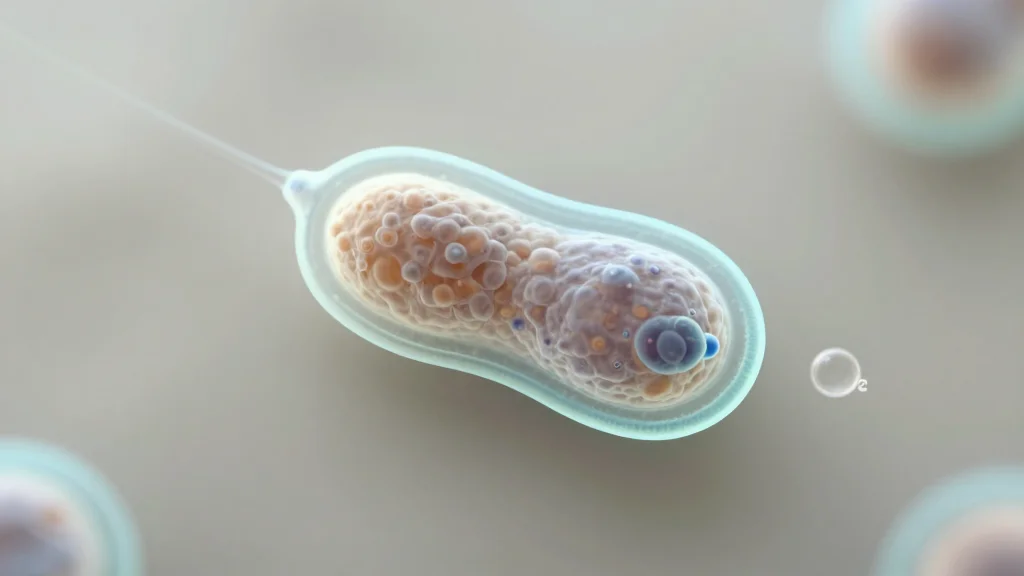
Membrane Complex Aids Rock-Eating Microbes in Converting Carbon Dioxide to Biomass
Why It Matters
The ATP‑free CO₂ hydration mechanism could transform carbon‑capture biotechnologies, offering a more energy‑efficient route to convert greenhouse gases into valuable biomass.
Key Takeaways
- •DAB2 complex converts CO₂ to HCO₃⁻ without ATP
- •Uses membrane potential gradient to drive bicarbonate accumulation
- •Study reveals structural basis via electron microscopy and IR spectroscopy
- •Enhances efficiency of lithoautotrophic microbes in extreme habitats
- •Findings could inform engineered carbon‑capture microbes
Pulse Analysis
The discovery of the DAB2 membrane complex reshapes our understanding of microbial bioenergetics. By coupling CO₂ hydration to the electrochemical gradient across the cell membrane, these lithoautotrophic bacteria achieve a rare ATP‑independent conversion of carbon dioxide into bicarbonate. This mechanism sidesteps the high energy cost typically associated with active transport, allowing rock‑eating microbes to thrive in nutrient‑poor, extreme environments while maintaining robust biomass production.
From a climate‑tech perspective, the DAB2 pathway offers a blueprint for next‑generation carbon‑capture organisms. Engineers can potentially graft the DAB2 system into industrial microbes, creating bio‑factories that sequester CO₂ directly from flue gases or the atmosphere without the need for costly energy inputs. Such engineered strains could generate feedstocks like acetate or bio‑plastics, aligning carbon mitigation with value‑added production and reducing the overall carbon footprint of manufacturing processes.
Beyond applications, the structural insights provided by high‑resolution electron microscopy and infrared spectroscopy open new research avenues. Understanding how membrane potential drives vectorial CO₂ hydration may inspire synthetic analogs or nanomaterials that mimic this natural efficiency. As the field moves toward integrating biological and electrochemical systems, the DAB2 complex stands out as a compelling target for interdisciplinary collaboration, promising both scientific breakthroughs and tangible environmental benefits.
Membrane complex aids rock-eating microbes in converting carbon dioxide to biomass
Comments
Want to join the conversation?
Loading comments...