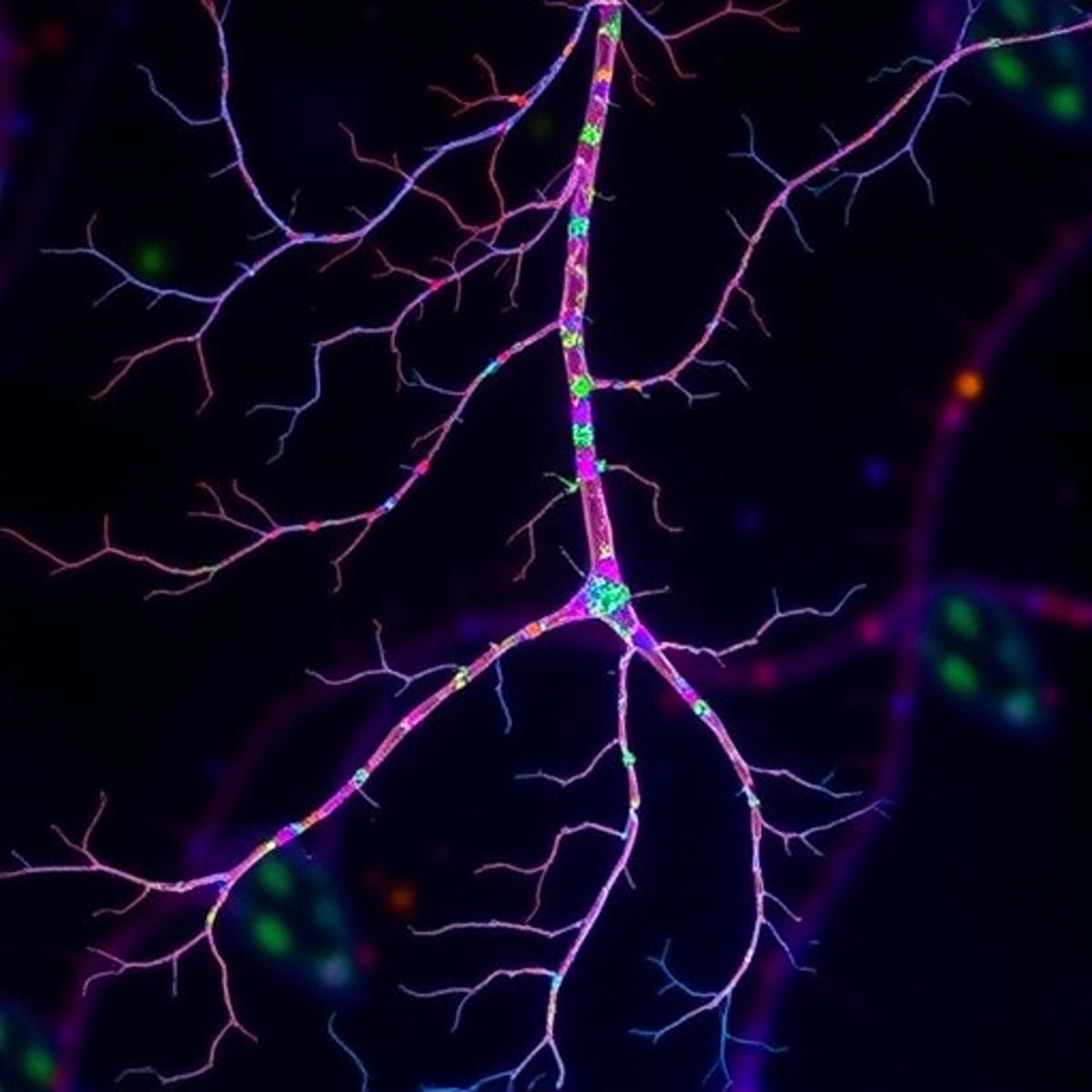
Microglial FcγR Drives Dopaminergic Neuron Loss
•January 16, 2026
0
Why It Matters
Targeting microglial FcγR could transform disease‑modifying strategies for Parkinson’s and related disorders, addressing a critical gap in current treatments.
Key Takeaways
- •Microglial FcγR activation triggers neuron inflammation
- •Loss linked to Parkinson’s disease progression
- •Blocking FcγR reduces dopaminergic cell death
- •Study used mouse models and human tissue
- •Potential therapeutic target for neurodegeneration
Pulse Analysis
The discovery that microglial Fcγ receptors (FcγR) are central to dopaminergic neuron loss reshapes our understanding of Parkinson’s disease pathology. While traditional views emphasized intrinsic neuronal vulnerability, this research highlights the immune system’s active role, showing that FcγR‑mediated microglial activation releases cytokines and reactive oxygen species that accelerate cell death. By integrating mouse genetics with analysis of human substantia nigra samples, the study provides robust translational evidence that immune signaling is not merely a by‑product but a driver of neurodegeneration.
Therapeutically, the data open a new avenue: modulating FcγR activity to blunt the inflammatory cascade. Existing immunomodulatory drugs that target FcγR pathways in autoimmune conditions could be repurposed, accelerating clinical development timelines. Moreover, the specificity of FcγR expression on microglia offers a targeted approach, potentially minimizing off‑target effects seen with broader anti‑inflammatory agents. Early‑phase trials could evaluate monoclonal antibodies or small‑molecule inhibitors designed to disrupt FcγR signaling, with biomarkers such as cerebrospinal fluid cytokine profiles guiding dose selection.
From a market perspective, a disease‑modifying therapy for Parkinson’s would represent a multi‑billion‑dollar opportunity, given the aging global population and limited treatment options that only address symptoms. Investors and biotech firms are likely to prioritize pipelines that incorporate neuro‑immune mechanisms, and collaborations between neuroscience and immunology experts may accelerate innovation. Ultimately, the study underscores the importance of cross‑disciplinary research in uncovering actionable targets that could shift the therapeutic landscape for neurodegenerative diseases.
Microglial FcγR Drives Dopaminergic Neuron Loss
0
Comments
Want to join the conversation?
Loading comments...