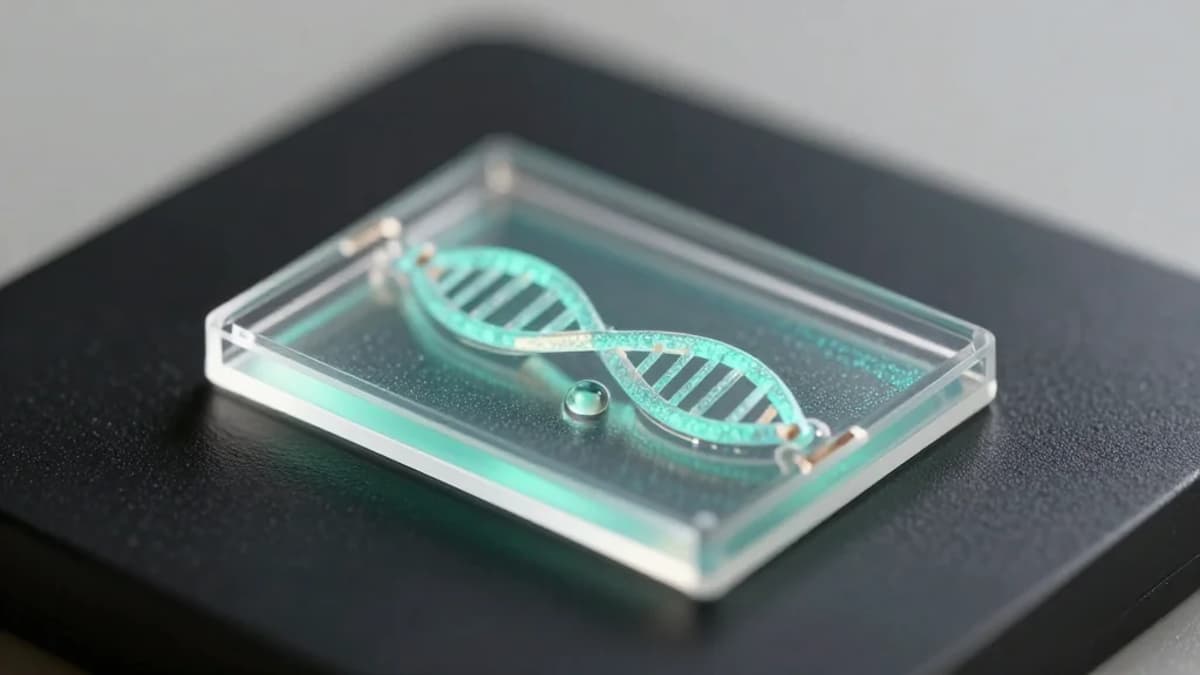
Monash-Led Team Secures Funding to Develop Graphene Oxide Sensor for Early Cancer Detection
•January 22, 2026
0
Why It Matters
Early, non‑invasive detection of ctDNA can dramatically improve survival rates and reduce diagnostic costs, reshaping oncology workflows worldwide.
Key Takeaways
- •$100,000 grant fuels graphene‑oxide cancer sensor research
- •Interdisciplinary team spans oncology, engineering, nanofabrication
- •Biosensor targets circulating tumor DNA in blood and urine
- •Portable design aims for point‑of‑care cancer screening
- •Potential to replace expensive laboratory‑based diagnostics
Pulse Analysis
Early cancer detection remains a critical challenge in oncology, with circulating tumor DNA (ctDNA) emerging as a promising biomarker for minimally invasive screening. Traditional ctDNA assays require sophisticated laboratory infrastructure, limiting accessibility and slowing turnaround times. Graphene oxide (GO) offers exceptional surface area, electrical conductivity, and biocompatibility, making it an ideal platform for ultra‑sensitive biosensing. By coupling GO’s properties with fluorescent DNA probes, researchers can achieve detection limits far below conventional methods, opening the door to routine blood‑based cancer screening.
The Monash‑led consortium leverages this chemistry through a $100,000 grant from the Love Your Sister Foundation. Engineers will functionalise GO sheets so short DNA strands bind securely and emit a measurable fluorescence signal upon encountering cancer‑specific mutations. Advanced synchrotron imaging and nanofabrication techniques will fine‑tune the sensor’s surface chemistry, while structural biologists validate probe specificity. This interdisciplinary effort unites clinical oncologists, materials scientists, and nanotechnologists, accelerating prototype development and ensuring the device meets real‑world clinical performance standards.
If the portable GO‑ctDNA sensor reaches commercialization, it could transform the diagnostic landscape by delivering rapid, low‑cost tests at outpatient clinics, regional hospitals, and even remote health posts. Such point‑of‑care capability would enable earlier intervention, personalized treatment monitoring, and quicker detection of disease recurrence. Moreover, the technology’s scalability may drive broader adoption of liquid‑biopsy approaches across multiple cancer types, prompting shifts in reimbursement models and regulatory pathways. Ultimately, the project exemplifies how targeted funding and cross‑sector collaboration can translate nanomaterial breakthroughs into tangible health‑care solutions.
Monash-led team secures funding to develop graphene oxide sensor for early cancer detection
0
Comments
Want to join the conversation?
Loading comments...