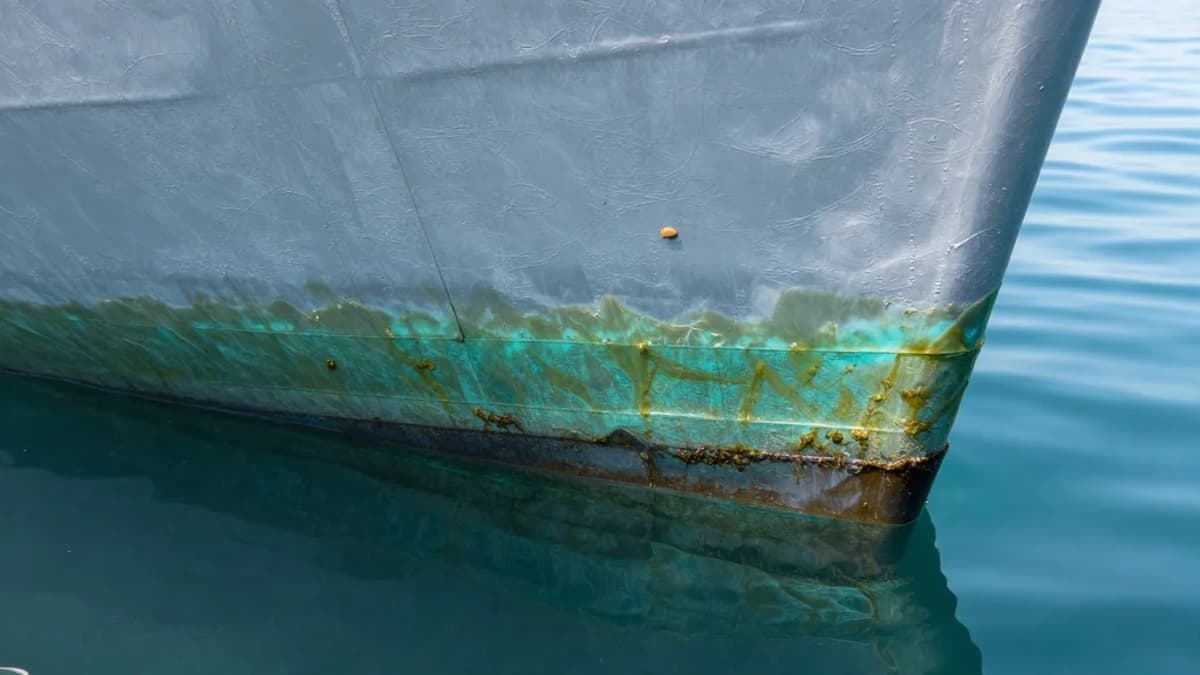
Natural Peptides From Cyanobacteria Offer Eco-Friendly Solution to Marine Biofouling
•January 21, 2026
0
Why It Matters
It provides a non‑toxic, regulatory‑compliant anti‑fouling option that can cut fuel costs and emissions while protecting marine ecosystems, delivering both economic and environmental benefits for the blue economy.
Key Takeaways
- •Cyanobacterial peptides replace toxic biocide paints.
- •Coatings inhibit biofilm and mussel larvae attachment.
- •Performance matches or exceeds commercial Econea biocide.
- •Solution aligns with EU biocide regulations and SDGs.
- •Prototype proven in real marine conditions.
Pulse Analysis
Marine biofouling remains a costly challenge for ship owners, aquaculture operators and port authorities, inflating fuel consumption, maintenance schedules and greenhouse‑gas emissions. Traditional anti‑fouling paints rely on continuous leaching of copper, tributyltin and other metal‑based biocides, which have triggered stringent EU bans and global calls for greener alternatives. The pressure to comply with the Biocidal Products Regulation has accelerated research into bio‑inspired solutions that protect hulls without compromising ocean health.
The CIIMAR consortium’s breakthrough leverages cyclic peptides naturally produced by cyanobacteria, compounds that disrupt early microbial signaling pathways essential for biofilm formation. In controlled experiments, peptide‑infused coatings halted bacterial colonisation and prevented mussel larvae from attaching, outcomes that matched or outperformed the widely used Econea biocide. By modulating chemical cues rather than relying on toxic release, the technology preserves non‑target species and aligns with sustainable development goals targeting marine biodiversity and pollution reduction.
For the maritime industry, adopting peptide‑based coatings could translate into measurable savings: reduced hull drag, lower fuel burn, and extended intervals between dry‑dockings. Moreover, the approach satisfies regulatory demands, positioning firms for smoother market entry across Europe and beyond. As the prototype moves toward pilot‑scale production, further optimisation of peptide synthesis and coating formulation will be critical. Success could spark a broader shift toward nature‑derived anti‑fouling strategies, reinforcing the blue economy’s resilience while safeguarding ocean ecosystems.
Natural peptides from cyanobacteria offer eco-friendly solution to marine biofouling
0
Comments
Want to join the conversation?
Loading comments...